The complete 2026 pricing guide for San Antonio homeowners. Real cost ranges by roof size, material, and home type plus what drives prices up, what you can negotiate, and how to avoid overpaying by thousands of dollars.
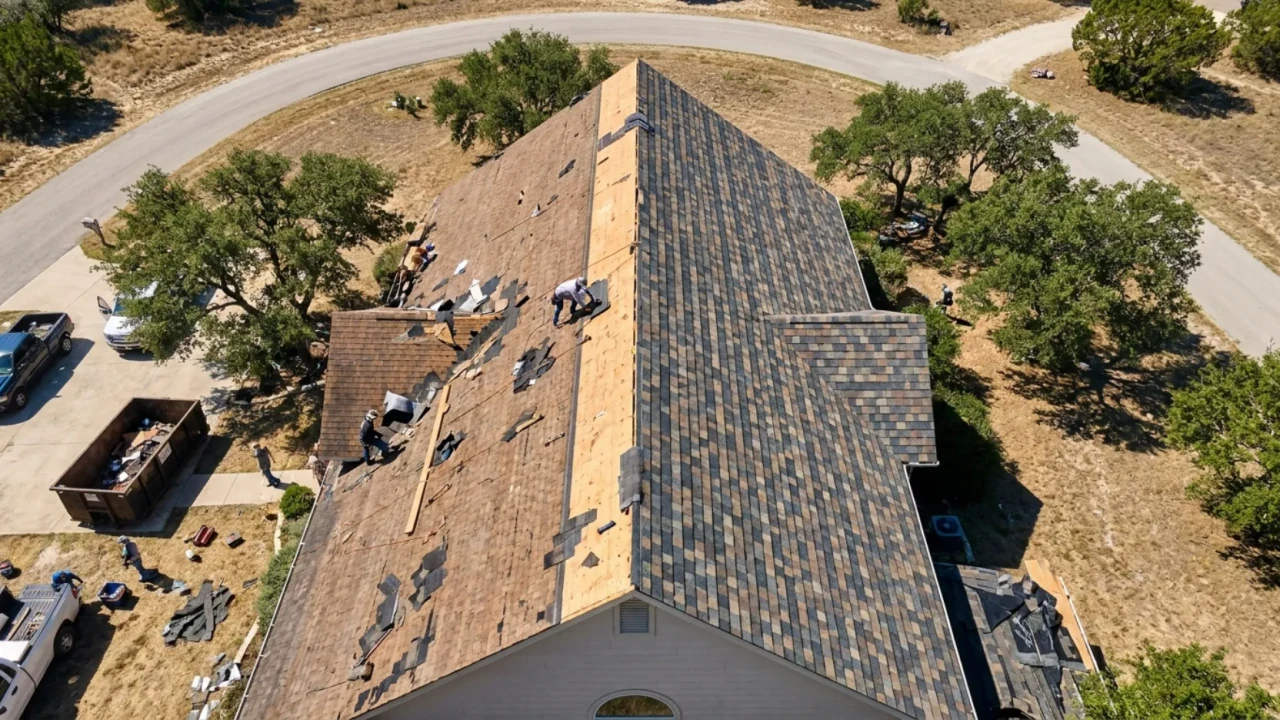
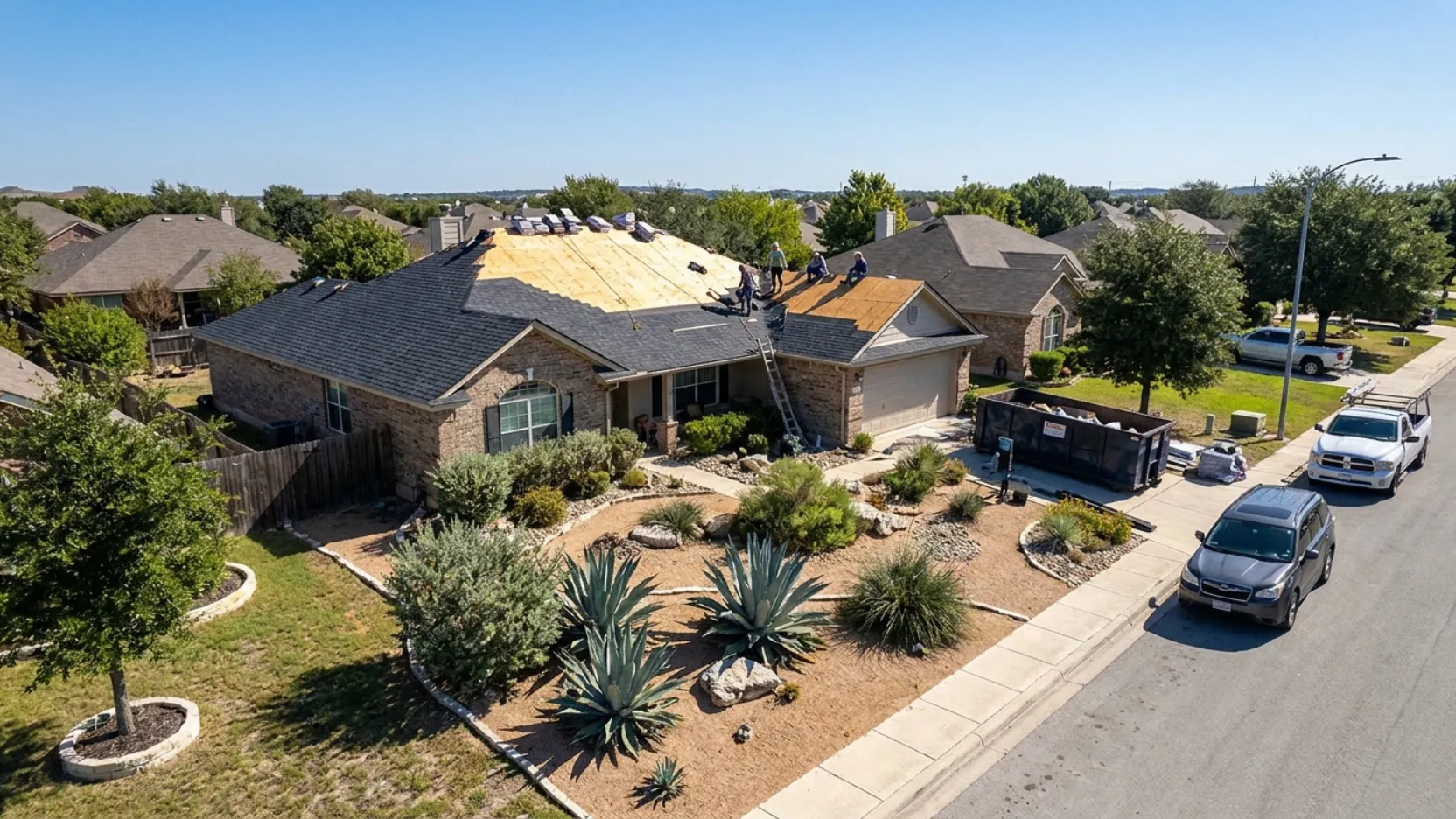
Roof replacement is one of the largest home improvement investments a San Antonio homeowner will make. Most people have never bought a roof before. They get a quote, have no reference point for whether it is reasonable, and either overpay or go with the cheapest bid and regret it when the work fails in two years.
This guide changes that. It gives you real 2026 San Antonio pricing by material, by roof size, and by the specific cost drivers that move a quote up or down by thousands of dollars. Whether you are planning ahead, dealing with storm damage, or comparing bids you have already received, this is the cost reference you need to make a confident decision.
National averages and online calculators are useful starting points but they do not account for San Antonio's specific labor market, the city's permit requirements, the heat load on materials in a Texas summer, or the reality that most San Antonio homes have roofs between 1,800 and 2,800 square feet. The pricing in this guide is based on real Bexar County job data collected through 2026. Your final quote will vary by roof pitch, access, tear-off layers, and the contractor you choose, but these ranges give you the foundation to evaluate every bid you receive.
The average cost to replace a roof on a typical San Antonio single-family home in 2026 runs between $9,500 and $18,000 for an architectural asphalt shingle roof. That wide range reflects the difference between a straightforward single-layer tear-off on a low-slope 1,800 square foot ranch and a steep, complex replacement on a 2,800 square foot two-story with multiple valleys, skylights, and dormers.
For homeowners who want a quick benchmark before calling contractors, here is how price typically breaks down by home size at the most common material tier, architectural asphalt shingles:
These ranges assume one layer of tear-off and no decking replacement. If your inspector finds two layers of existing shingles or rotted plywood decking beneath them, your cost increases. Read the hidden costs section below before finalizing any budget for your replacement project.
Material choice is the biggest lever in your total replacement cost. The difference between an entry-level 3-tab shingle and a standing seam metal roof on the same San Antonio home can exceed $25,000. Understanding what each material costs, how long it lasts in the Texas climate, and what trade-offs come with each option is the foundation of making the right decision for your home and budget.
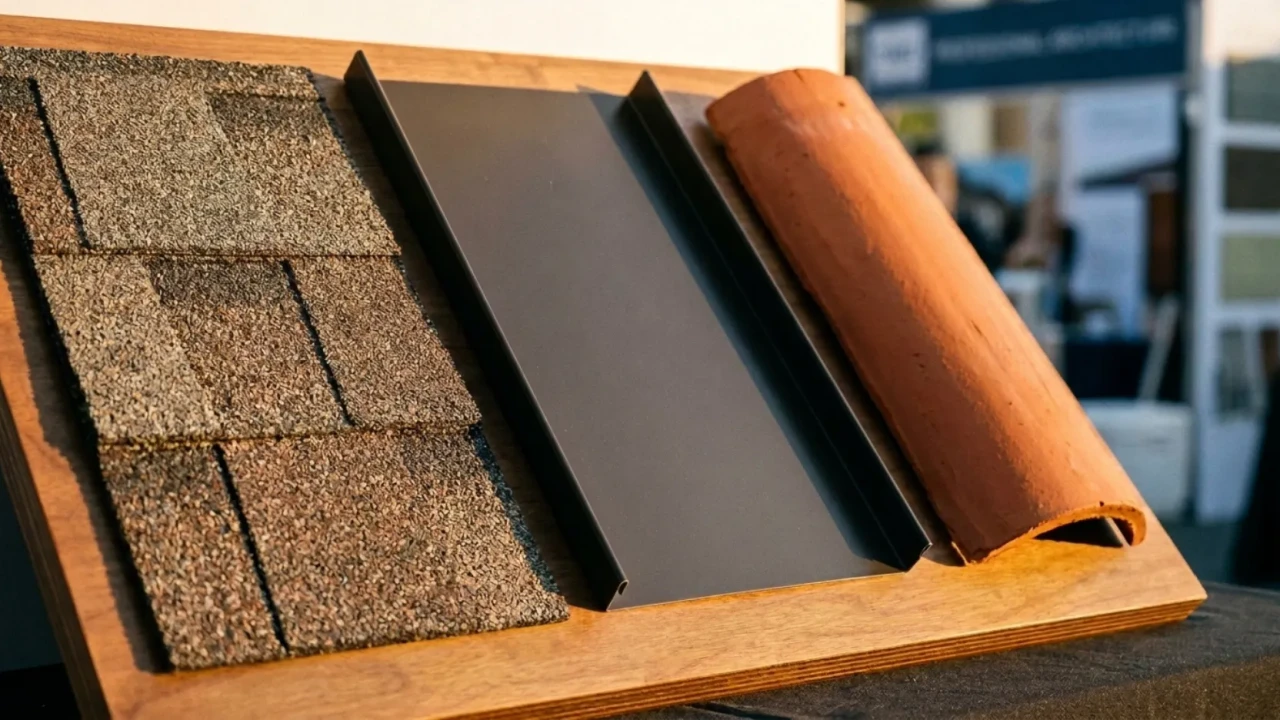
Asphalt shingles account for the large majority of residential roof replacements in San Antonio. They are the right call for most homeowners because of their balance of cost, availability, contractor familiarity, and reasonable performance in the Texas climate. The decision within asphalt is usually between 3-tab shingles and architectural (dimensional) shingles and in most cases, architectural shingles are the better long-term investment for San Antonio homes.
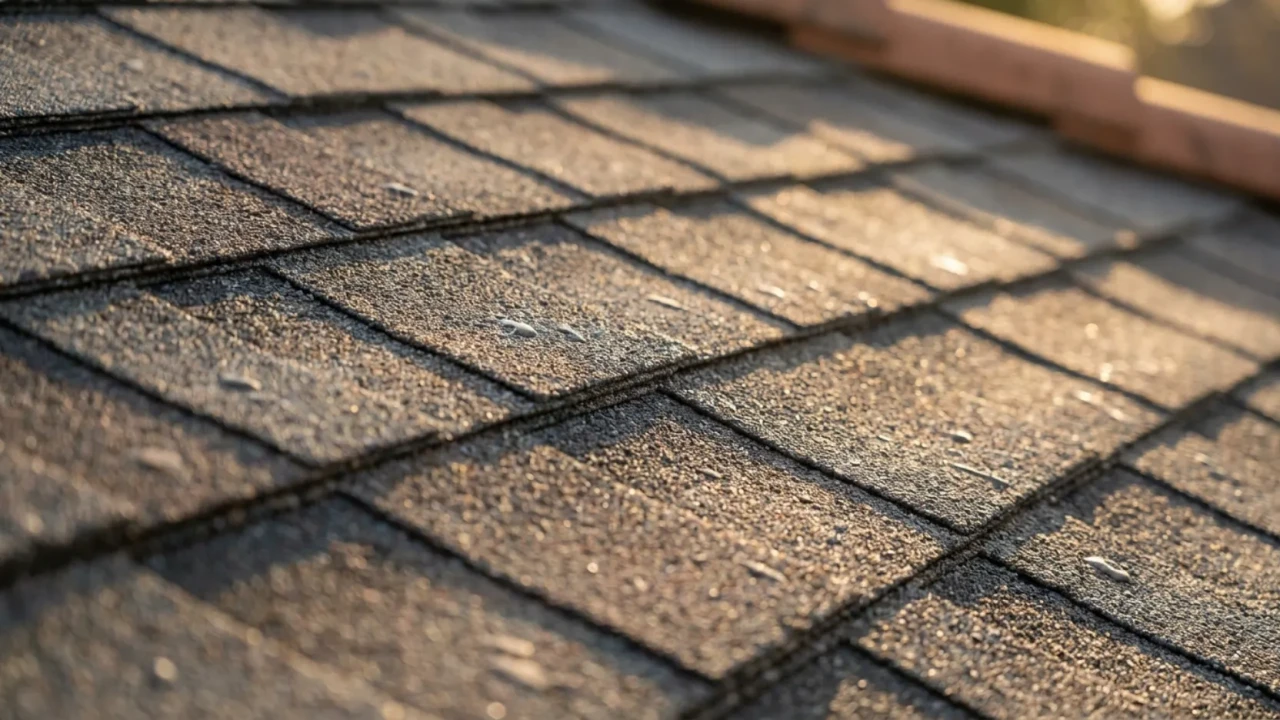
3-tab shingles are the entry-level product. They are thinner, lighter, and cheaper per square. They are appropriate for budget-constrained replacements where a 15 to 20-year lifespan is acceptable. In San Antonio's heat and UV environment, 3-tab shingles will degrade more quickly than architectural products.
Architectural shingles have a laminated, multi-layer construction that provides better wind resistance (commonly rated to 130 mph), a longer warranty (30 years is standard), and a more dimensional appearance that adds curb appeal. For most San Antonio homeowners, the price difference over 3-tab pays back in lifespan alone.
- Shingle brand and product line specified in writing not just "architectural shingles"
- Wind rating confirmed: minimum 130 mph for San Antonio; Class 4 impact rating if insurance discount applies
- Starter strip shingles included not 3-tab shingles cut down as a shortcut
- Ridge cap shingles specified: hip and ridge caps, not field shingles bent over the ridge
- Ice and water shield included at eaves and all valley locations even though San Antonio rarely freezes
- Manufacturer warranty registration included in the contract your warranty is not active until registered
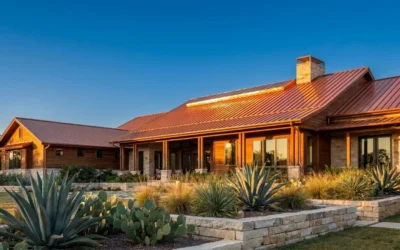
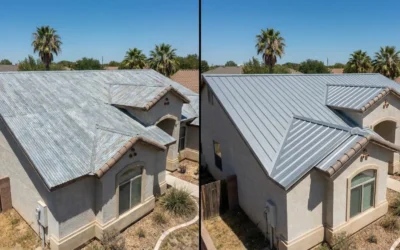
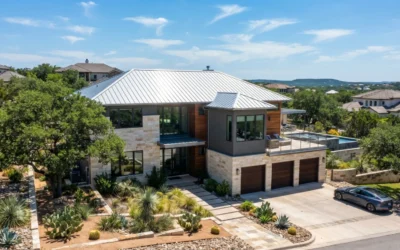
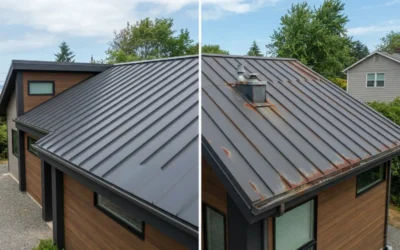
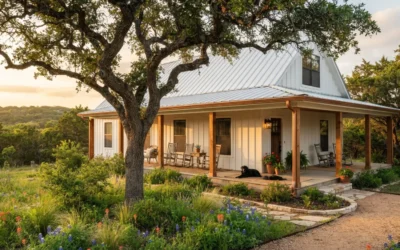
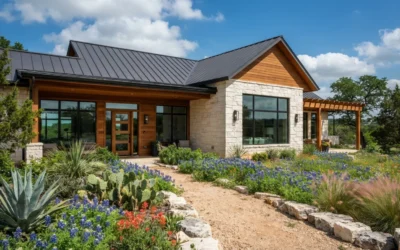
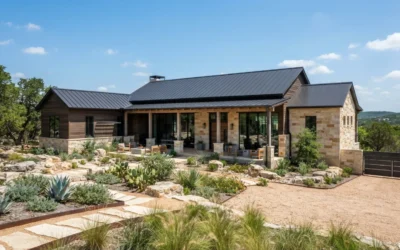
Metal roofing is the fastest-growing segment of the San Antonio residential roofing market, and for good reason. A standing seam metal roof installed correctly in San Antonio will outlast the original homeowner. It handles heat reflection better than asphalt, is dramatically more resistant to hail damage, and carries warranties that run 40 to 50 years. The barrier is upfront cost, which runs two to three times the price of an asphalt replacement on the same home.
For homeowners who plan to stay in their home for 15 or more years, the math on metal often works. For homeowners who plan to sell in 5 years, the premium is harder to recapture in resale value.
Metal roofs in San Antonio perform significantly better on energy costs than asphalt shingles. A properly installed reflective metal roof can reduce attic temperatures by 20 to 40 degrees Fahrenheit on peak summer days, which directly reduces air conditioning load. In a San Antonio summer where August daytime highs routinely reach 100 degrees or above, this translates to measurable monthly savings on electricity bills. Ask your contractor about Energy Star-certified metal finishes if energy performance is a priority for your home.
- Panel profile and gauge specified in writing: 26 gauge is minimum for residential standing seam; 29 gauge is too thin for San Antonio hail exposure
- Finish type confirmed: Kynar 500 or Hylar 5000 coatings are the standard for long-term UV and fade resistance in Texas
- Fastener type for corrugated panels: stainless steel or coated fasteners, never uncoated steel
- Underlayment specified: synthetic or high-temp underlayment appropriate for metal's heat transfer properties
- Thermal movement allowance confirmed for standing seam: panels must be able to float, not fixed too rigidly
- Manufacturer warranty terms reviewed: paint/finish warranty is separate from panel structural warranty
Clay and concrete tile is the defining aesthetic of San Antonio's older neighborhoods and Hill Country-style homes. It is durable, beautiful, and performs well in heat, but it comes with two constraints that matter: it is heavy, and it is expensive. Not every San Antonio home is structurally built to carry the weight of a full tile roof without reinforcement, and tile installation requires specialized crews that command premium labor rates.
- Structural load assessment completed before any quote is finalized
- Tile profile matched: S-tile, flat tile, and mission barrel tile are not interchangeable in appearance or weight
- Underlayment specified: two-layer system with a base sheet and cap sheet is standard for tile in San Antonio
- Flashing material confirmed: copper or stainless at valleys and penetrations standard aluminum corrodes under tile
- Tile manufacturer and color batch confirmed: ordering from the same batch avoids color variation across the roof
- Broken tile repair process agreed upon: tile roofs break during installation; the contract should address how breakage is handled
Flat and low-slope roofing comes up in San Antonio on porch additions, detached garages, commercial properties, and contemporary-style homes with minimal roof pitch. These roofs require membrane systems rather than shingles, and they have different cost drivers than pitched roofs. Proper drainage design and waterproofing continuity matter more on a flat roof than on any other system because water that does not drain correctly will sit, and any membrane failure becomes a leak immediately.
- Drainage slope confirmed: minimum 1/4 inch per foot across the entire field dead-flat roofs will pond and fail early
- Existing membrane fully removed where required: recovering over a failed membrane hides the problem instead of fixing it
- Deck condition assessed before new membrane installation wet or rotted decking must be replaced first
- Membrane seam method specified: heat-welded seams (TPO/PVC) are stronger than adhesive-bonded seams
- Drain and scupper locations reviewed and cleared as part of the scope
- Warranty type confirmed: TPO manufacturer warranties require certified installers verify your contractor is certified
Your home's living area square footage is not the same as your roof's square footage. Roof square footage accounts for the pitch of the roof, the number of slopes, and the overhangs. A 2,000 square foot single-story home with a moderately pitched hip roof may have 2,200 to 2,500 square feet of actual roofing surface. A 2,000 square foot home with a steep gable roof and dormers may have 3,000 square feet or more.
Roofing contractors price in "squares," which is a 10-by-10 foot area equal to 100 square feet of roof surface. A typical San Antonio home runs between 18 and 30 squares. Here is how cost by material maps to square count:
| Roof Size (Squares) | Architectural Asphalt | Metal (Standing Seam) | Concrete Tile | TPO (Flat) |
|---|---|---|---|---|
| 15 squares (1,500 sq ft) | $7,500 to $10,500 | $16,500 to $24,000 | $18,000 to $25,000 | $5,500 to $9,000 |
| 20 squares (2,000 sq ft) | $9,500 to $14,000 | $22,000 to $32,000 | $24,000 to $34,000 | $7,500 to $12,000 |
| 25 squares (2,500 sq ft) | $12,000 to $17,500 | $27,000 to $40,000 | $30,000 to $42,000 | $9,500 to $15,500 |
| 30 squares (3,000 sq ft) | $14,000 to $21,000 | $33,000 to $48,000 | $36,000 to $52,000 | $11,500 to $18,500 |
| 35 squares (3,500 sq ft) | $16,500 to $25,000 | $38,000 to $56,000 | $42,000 to $60,000+ | $14,000 to $22,000 |
You can estimate your roof's square footage before a contractor visits. Measure your home's ground-level footprint in feet (length times width). Multiply that number by a pitch factor: 1.07 for a low-pitch roof (2/12 to 4/12 slope), 1.19 for a moderate pitch (5/12 to 7/12 slope), or 1.42 for a steep pitch (8/12 to 12/12 slope). Add 10 to 15 percent for overhangs and waste. This gives you a ballpark square count you can use to sanity-check any bid you receive before a contractor even sets foot on your property.
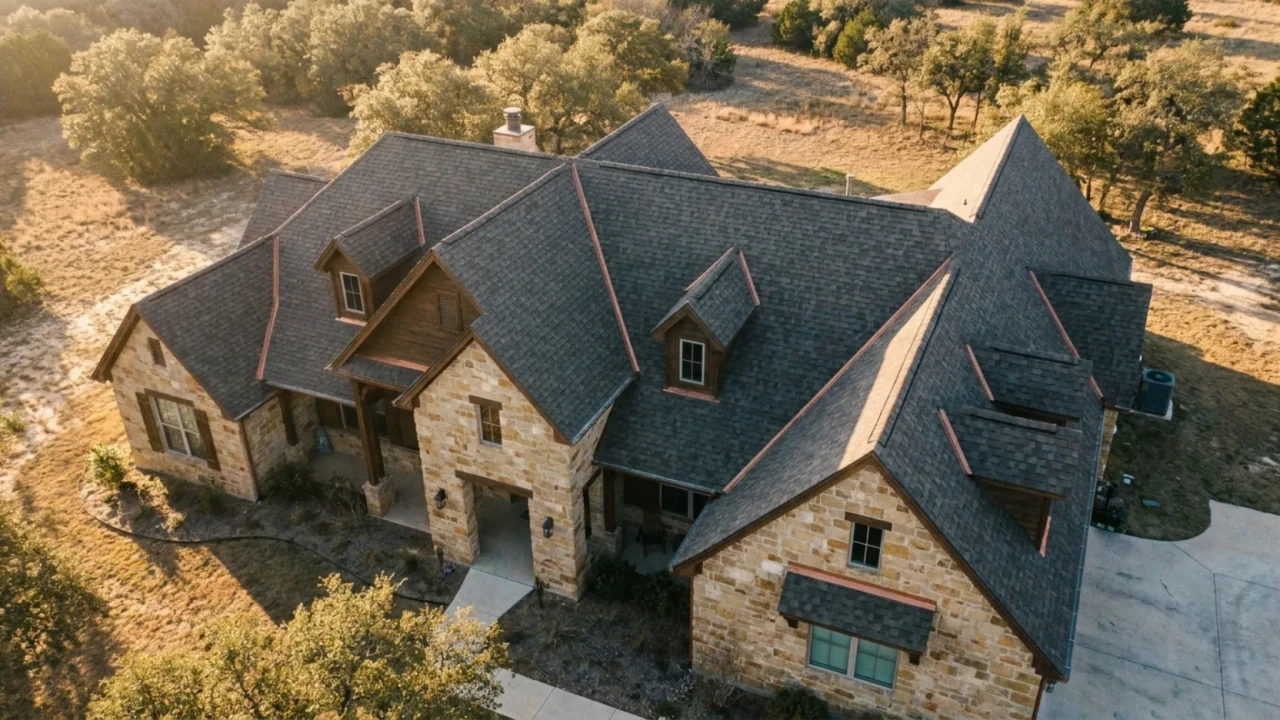
Material choice and square footage set your baseline. These seven factors are what move the final number up or down from that baseline. Understanding them gives you the ability to evaluate quotes intelligently instead of just comparing bottom-line numbers.
| Cost Factor | How it affects your quote | Typical cost impact |
|---|---|---|
| Roof pitch and steepness | Steeper roofs require more safety equipment, slower movement, and more labor hours per square. A 12/12 pitch is dramatically more labor-intensive than a 4/12 pitch on the same square count. | +15% to +40% on labor for steep pitches above 8/12 |
| Number of tear-off layers | Most San Antonio homes have one layer of existing shingles. Some have two. A second tear-off layer means more labor, more disposal weight, and a longer job day. Code limits most residential roofs to two layers total. | +$800 to +$2,500 for a second tear-off layer |
| Roof complexity and valleys | Every valley, hip ridge, dormer, chimney, and penetration adds cut waste, flashing work, and sealing time. A complex roofline takes significantly longer to complete than an open gable of the same square footage. | +10% to +30% on material and labor over a simple gable |
| Roof deck condition | The plywood or OSB decking beneath your shingles is only inspected once the old roof is torn off. Rot, delamination, or structural damage discovered mid-job adds decking replacement cost at typically $2 to $4 per square foot. | +$500 to +$4,000 if decking replacement is needed |
| Flashing replacement | Some contractors quote repairs to existing flashing; others include full flashing replacement in their base quote. New flashing at all penetrations and valleys is the standard you should hold your contractor to. | +$300 to +$1,500 if not included in the base quote |
| Permit and inspection fees | San Antonio requires a permit for roof replacement in most cases. The City of San Antonio permit fee for a residential reroof runs approximately $150 to $350 depending on project value. Some contractors include this; others pass it through separately. | +$150 to +$350, confirm whether it is included |
| Accessibility and site conditions | Homes with limited driveway access, steep or narrow lots, mature trees over the roofline, or HOA restrictions on equipment access take longer to complete and cost more to set up safely. | +$300 to +$1,200 for difficult access situations |
A roofing quote that lists only "tear off and replace shingles" is not a complete quote. A thorough San Antonio roofing contract will specify materials by manufacturer and product line, include a decking inspection and replacement rate per sheet, address flashing, underlayment, ventilation, and permit handling, and identify any exclusions explicitly.
- Decking replacement rate per sheet specified in writing not as a vague "will be assessed mid-job"
- All debris removal and dumpster cost confirmed as included in the quoted price
- Permit confirmed: contractor pulls it, fee is included or explicitly noted as pass-through
- Flashing replacement (not repair) at all valleys, penetrations, and eave edges confirmed
- Ventilation assessment included: proper ventilation is required for most shingle warranties to be valid
- Warranty registration process confirmed: manufacturer warranty must be registered by the contractor within a set number of days after completion
A significant share of roof replacements in San Antonio are triggered by hail and wind damage covered under homeowner's insurance. San Antonio sits in one of the most active hail corridors in the country, and after major storm events the roofing market fills with both legitimate contractors and opportunistic out-of-state crews who arrive specifically to chase insurance claims. Understanding the insurance process protects you from both underpayment and contractor fraud.
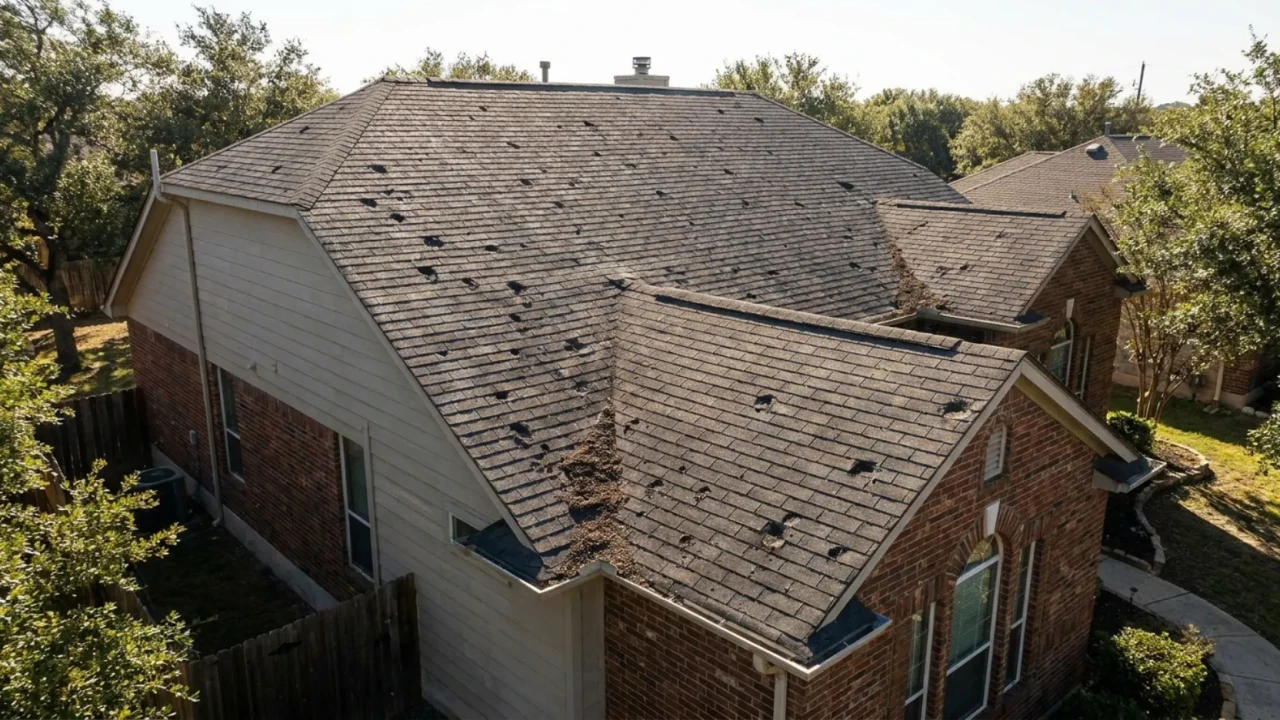
Texas homeowner's insurance typically covers roof replacement caused by sudden and accidental events: hail, wind, falling trees, and lightning strikes. It does not cover normal wear and aging, improper installation, or damage caused by deferred maintenance. After any qualifying storm event, you have the right to file a claim and get your own independent contractor estimate.
Texas law prohibits roofing contractors from waiving your insurance deductible as an inducement to sign a contract. If a contractor offers to "cover your deductible" or says you will not owe the deductible amount, this is a violation of Texas Insurance Code Section 707.006. This practice inflates the claim to cover what was waived and constitutes insurance fraud. Protect yourself: your deductible is your financial responsibility, and a contractor who offers to cover it is not doing you a favor.
The San Antonio roofing market has excellent contractors and predatory ones, and after a major hail event the proportion of predatory out-of-town crews increases dramatically. These seven practices separate homeowners who get fair deals from those who overpay by thousands or end up with a poor-quality replacement.
- Estimate your roof's square footage using the pitch-factor method described in Section 3 above
- Know your insurance status: confirm whether you have an open claim or plan to use insurance before requesting bids
- Decide on your material preference before getting quotes changing material mid-quote process adds confusion and invalidates cost comparisons
- Check the Texas Department of Licensing and Regulation (TDLR) website to verify any contractor's license before inviting them to your property
- Get a minimum of three written quotes verbal quotes and ballpark numbers are not comparable
- Require every quote to specify the shingle brand and product line, not just "architectural shingles"
- Ask each contractor for proof of general liability insurance and workers' compensation coverage before they step on your roof
- Confirm the contractor is local and has a physical San Antonio address post-storm out-of-town crews often disappear before warranty issues arise
- Ask for references from completed San Antonio jobs within the last 12 months and actually call them
- Ask whether the work will be performed by the contractor's own crew or subcontracted subcontracting is not automatically a problem, but you should know
- Contract specifies all materials: brand, product line, color, and minimum quantities
- Contract specifies decking replacement cost per sheet if decking replacement is needed
- Payment schedule reviewed: a deposit of 10 to 30 percent is reasonable; never pay more than 50 percent before work begins
- Completion timeline in writing especially important during the busy spring and fall seasons in San Antonio
- Workmanship warranty terms specified: who covers defects in installation, for how long, and what the process is for warranty claims
- Contractor confirms they will pull the city permit not you
- Final inspection completed before making the final payment walk the property with the contractor
- Manufacturer warranty registered by contractor and confirmation sent to you
- All permit inspections passed and documented city inspection confirms code compliance
- All debris removed from your property including nails in the landscaping and driveway
- Workmanship warranty document received in writing with contractor contact information
Get a free roof replacement estimate in San Antonio
We will inspect your roof, document its current condition, and give you a written estimate with real San Antonio pricing broken down by material and scope. No pressure, no obligation.