
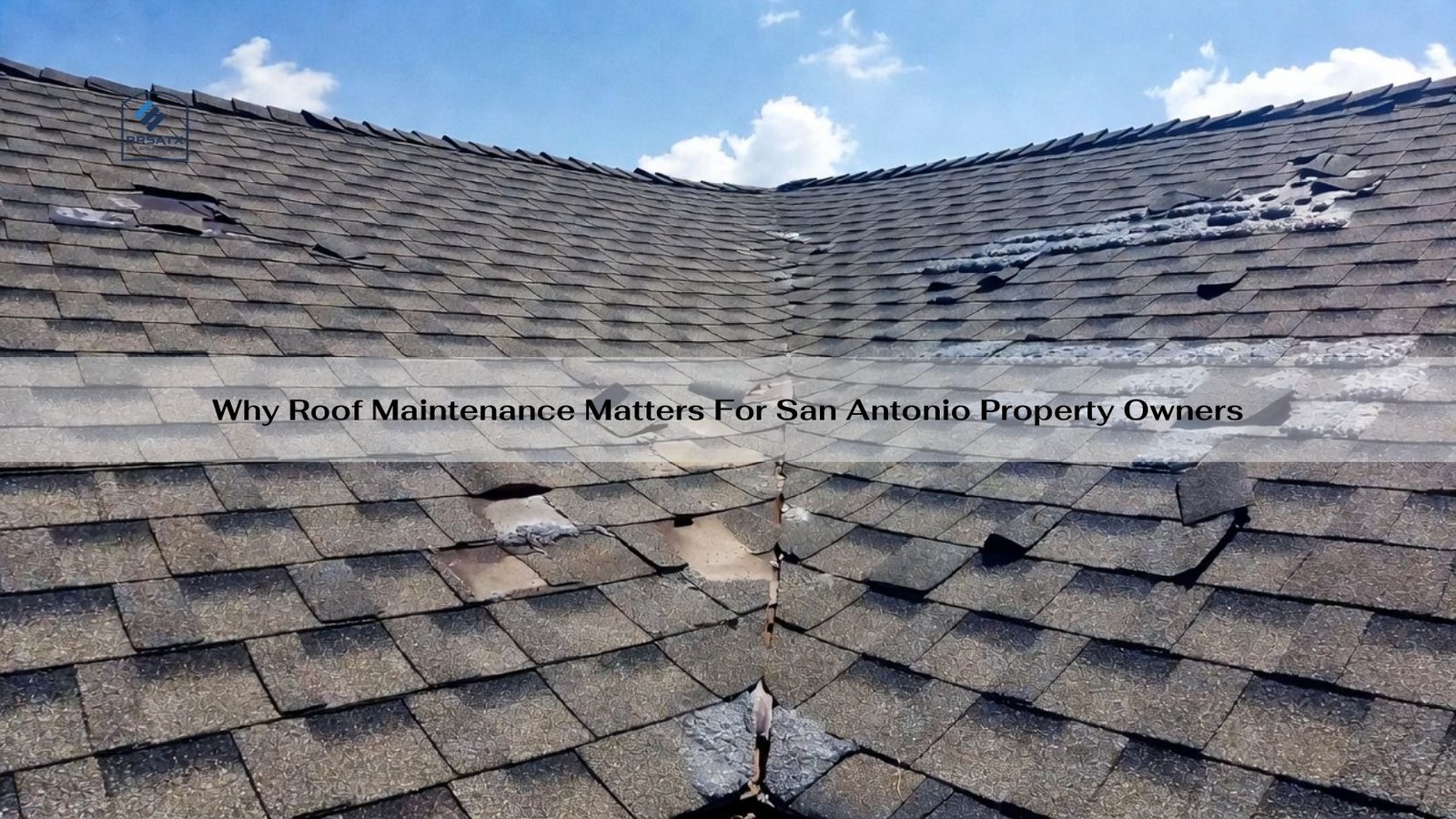
With decades of hands-on roofing experience working on homes and commercial buildings across San Antonio, our team has seen one consistent pattern: most major roof failures start as small, preventable issues. In South Texas, heat, hail, and heavy rain accelerate roof wear faster than many homeowners expect.
Why roof maintenance matters: Regular roof maintenance prevents leaks, extends roof lifespan, protects structural integrity, and reduces long-term repair costs especially in climates like San Antonio’s where extreme weather speeds up deterioration.
Key takeaway: Routine inspections and minor repairs cost far less than emergency roof replacement.
How Does Roof Maintenance Prevent Costly Repairs?
Roof maintenance works because it catches small issues before they become structural problems.
Common issues found during inspections:
- Cracked or curling shingles from UV exposure
- Loose flashing around chimneys and vents
- Minor roof leaks around penetrations
- Clogged gutters causing water backup
- Early signs of hail damage
In San Antonio, attic temperatures can exceed 140°F in summer. That heat dries and weakens asphalt shingles, reducing flexibility and making them prone to cracking.
Preventative maintenance can extend an asphalt shingle roof’s life by 3–7 years, depending on condition and climate exposure.
Why Is Roof Maintenance Especially Important In San Antonio?
San Antonio’s climate is hard on roofing systems.
1. Extreme Heat
Prolonged sun exposure causes:
- Granule loss
- Shingle brittleness
- Sealant breakdown
2. Hail And Storm Activity
Texas ranks among the top states for hail events annually. Even small hail can:
- Bruise shingles
- Loosen flashing
- Create slow-forming leaks
3. Heavy Rainfall
When drainage systems clog, water can pool on:
- Low-slope roofs
- Flat commercial roofs
- Valley sections
Standing water significantly increases leak risk.
Key takeaway: In South Texas, skipping maintenance accelerates roof aging.
What Happens If You Ignore Roof Maintenance?
Ignoring routine roof inspections often leads to:
- Interior ceiling stains
- Mold growth in attic spaces
- Insulation damage
- Wood rot in decking
- Higher energy bills due to ventilation issues
For commercial properties, deferred maintenance can result in:
- Business interruption
- Equipment damage
- Insurance claim complications
According to industry data, proactive maintenance can reduce lifetime roofing costs by up to 30% compared to reactive repairs.
How Often Should A Roof Be Inspected?
Most professionals recommend:
| Roof Type | Inspection Frequency |
| Asphalt Shingle | Once per year + after major storms |
| Metal Roofing | Every 1–2 years |
| Flat/Commercial Roof | Twice per year |
| Roof 15+ Years Old | Annually minimum |
You should also schedule an inspection:
- After hail or wind storms
- Before buying or selling property
- When filing an insurance claim
In areas like 78237 and 78216, where storm activity is common, annual inspections are strongly advised.
Is Roof Maintenance Worth It For Older Roofs (15–20+ Years)?
Yes, especially if replacement is not immediate.
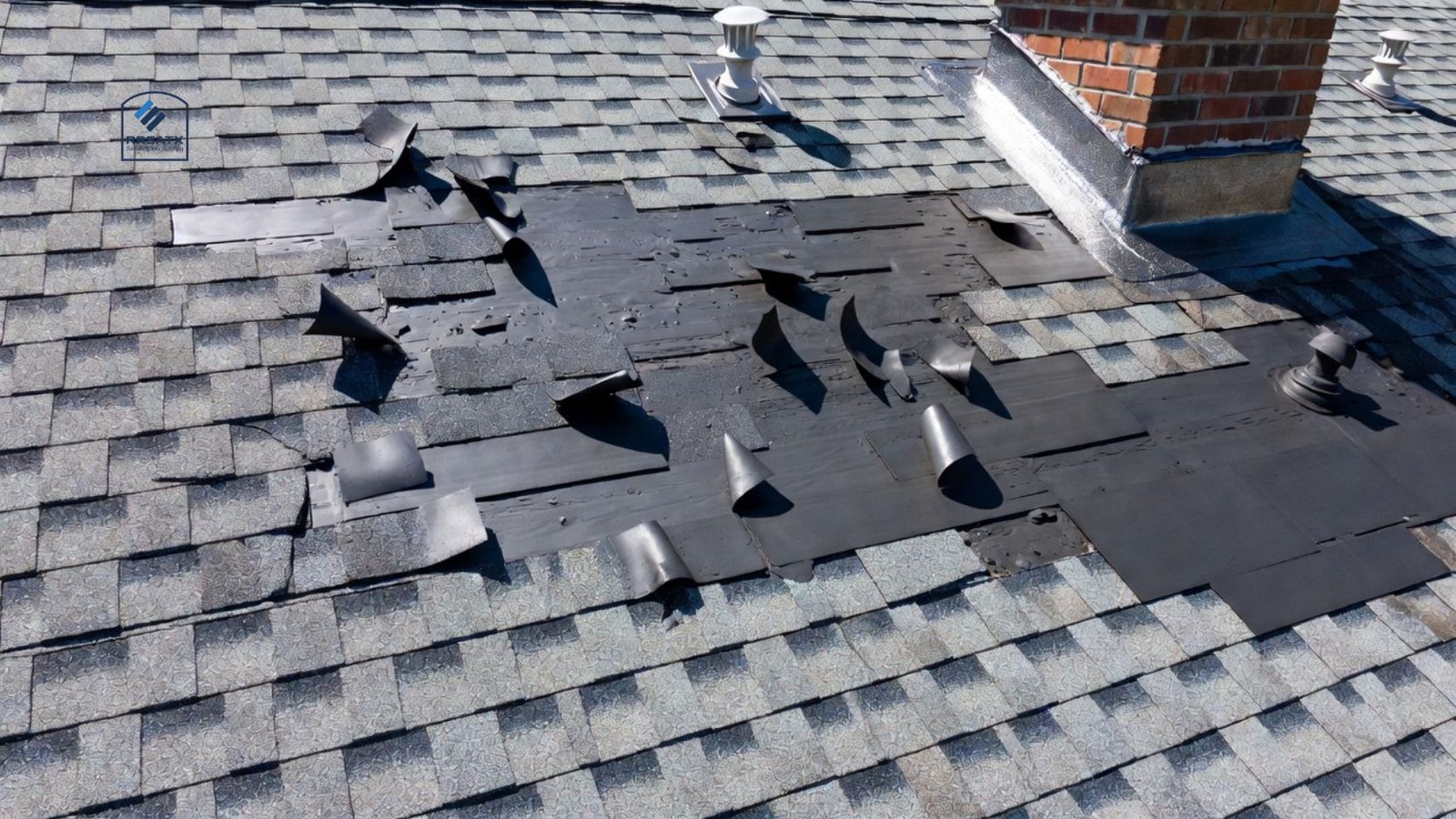
An aging roof does not automatically require replacement. Targeted repairs such as:
- Flashing resealing
- Shingle replacement
- Vent boot replacement
- Sealant renewal
can safely extend service life.
However, if over 25% of shingles are compromised or decking is damaged, replacement may be more cost-effective.
Key takeaway: Inspection determines the right solution, not guesswork.
How Roof Maintenance Protects Insurance And Property Value
Insurance carriers increasingly require:
- Proof of inspection
- Documentation after storm events
- Maintenance records for older roofs
For home buyers and sellers in San Antonio:
- A documented roof inspection reduces negotiation disputes
- Clean inspection reports increase buyer confidence
- Commercial properties maintain stronger asset value
Routine maintenance protects both structure and resale value.
FAQs
Does Roof Maintenance Really Save Money?
Yes. Minor repairs typically cost a fraction of emergency leak repairs or full replacement. Preventative service reduces long-term expenses.
Can I Inspect My Roof Myself?
You can check for visible damage from the ground, but professional inspections identify hidden issues such as soft decking, flashing gaps, and hail bruising.
What Is The Biggest Cause Of Roof Leaks In San Antonio?
The most common causes are flashing failure, storm damage, and aging sealants not missing shingles alone.