
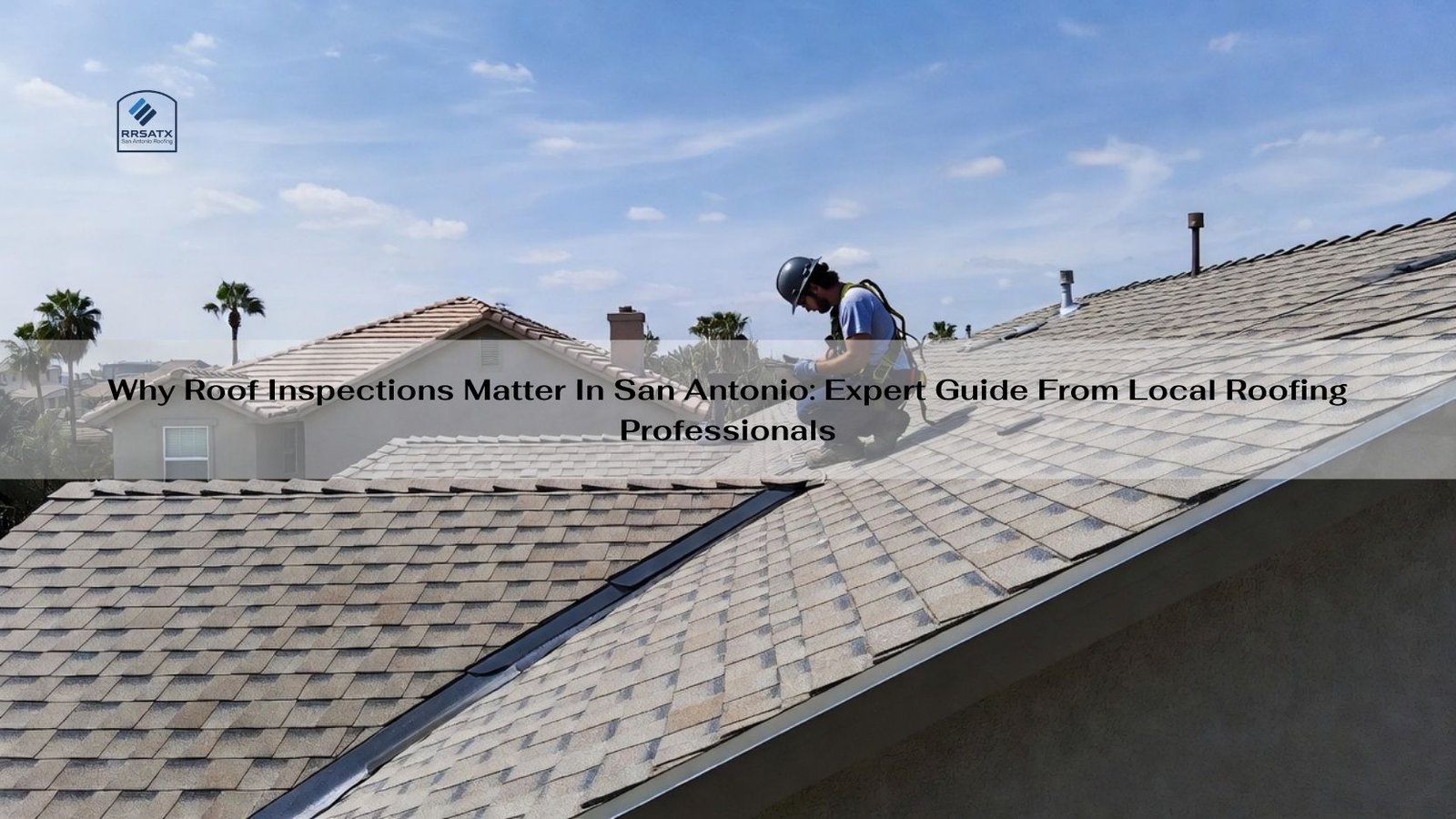
At RRSATX: San Antonio Roofing Company, we’ve completed over 1,000 roof inspections across San Antonio since 2000. Our Haag Certified Inspectors have seen firsthand how San Antonio’s unique climate extreme heat, severe storms, and unpredictable hail silently damages roofs long before homeowners notice problems.
Here’s the direct answer: Roof inspections matter in San Antonio because they catch hidden damage from extreme weather before it becomes expensive. San Antonio experiences over 80 days annually with temperatures exceeding 95°F, plus frequent hailstorms that crack shingles and compromise flashing. A professional inspection identifies these issues early, extending your roof’s lifespan by 5-10 years and preventing water damage that can cost $5,000-$15,000 to repair.
What Makes San Antonio Roofs Different?
San Antonio’s climate is uniquely harsh on roofing materials.
The combination of intense UV exposure, thermal cycling, and sudden severe weather creates conditions that accelerate roof deterioration. Asphalt shingles that last 25 years in moderate climates often fail at 15-18 years here.
Key climate factors affecting San Antonio roofs:
- Heat stress: Summer roof surface temperatures reach 160-180°F, causing shingles to become brittle
- Thermal expansion: Daily temperature swings of 30-40°F stress fasteners and seals
- Hail damage: San Antonio averages 2-3 significant hail events per year
- Wind uplift: Storm fronts regularly bring 40-60 mph gusts that lift shingles
- UV degradation: Year-round sun exposure breaks down protective granules
These factors don’t cause immediate visible damage. They weaken your roof gradually until a single storm triggers catastrophic failure.
When Should You Schedule A Roof Inspection In San Antonio?
Homeowners should inspect their roofs annually and after any severe weather event.
Here are specific situations that require immediate inspection:
After major weather events:
- Within 72 hours of any hailstorm
- After sustained winds over 50 mph
- Following heavy rain that lasted more than 2 hours
Age-related inspections:
- Every 6 months, if your roof is 15+ years old
- Annually for roofs 10-15 years old
- Every 2 years for newer roofs under 10 years old
Transaction-based needs:
- Before listing your home for sale
- During the option period when buying a home
- When refinancing (some lenders require documentation)
Insurance situations:
- Before filing a storm damage claim
- When your insurance company requests verification
- After receiving notice of policy non-renewal
Key takeaway: Most roof damage in San Antonio isn’t obvious from the ground. Professional inspectors use specialized equipment to detect problems invisible to homeowners.
What Does A Professional Roof Inspection Cover?
A comprehensive roof inspection examines both exterior and interior components.
Exterior inspection checklist:
- Shingles: Missing, cracked, curling, or loose shingles; granule loss
- Flashing: Deterioration around chimneys, vents, skylights, and valleys
- Roof penetrations: Condition of vent boots, pipe collars, and HVAC mounts
- Gutters and downspouts: Proper drainage and signs of overflow
- Fascia and soffit: Rot, damage, or improper ventilation
- Ridge vents: Functionality and seal integrity
Interior inspection includes:
- Attic ventilation: Proper airflow to prevent heat buildup
- Insulation condition: Moisture damage or displacement
- Decking: Water stains, sagging, or soft spots
- Rafters and trusses: Structural integrity and stress cracks
- Signs of leaks: Water stains on ceilings or walls
Our inspectors document findings with photos and thermal imaging to detect moisture that isn’t visible to the naked eye.
How Much Does A Roof Inspection Cost In San Antonio?
Most reputable San Antonio roofing companies, including RRSATX, offer free inspections for residential properties.
Commercial property inspections typically range from $200 to $500, depending on building size and roof complexity.
Why free inspections make sense:
Roofing companies offer complimentary inspections because they benefit both parties. Homeowners get expert assessment without upfront cost, while contractors can provide accurate repair estimates and build trust.
What to expect during a free inspection:
- 45-60 minute thorough examination
- Detailed written report with photos
- Honest assessment of roof condition
- Clear repair or replacement recommendations
- No-pressure estimate if work is needed
Red flags to avoid:
- Companies demanding payment before inspection
- Inspectors who only look from the ground
- Pressure to sign contracts immediately
- Estimates without detailed documentation
What Problems Do Inspections Commonly Find?
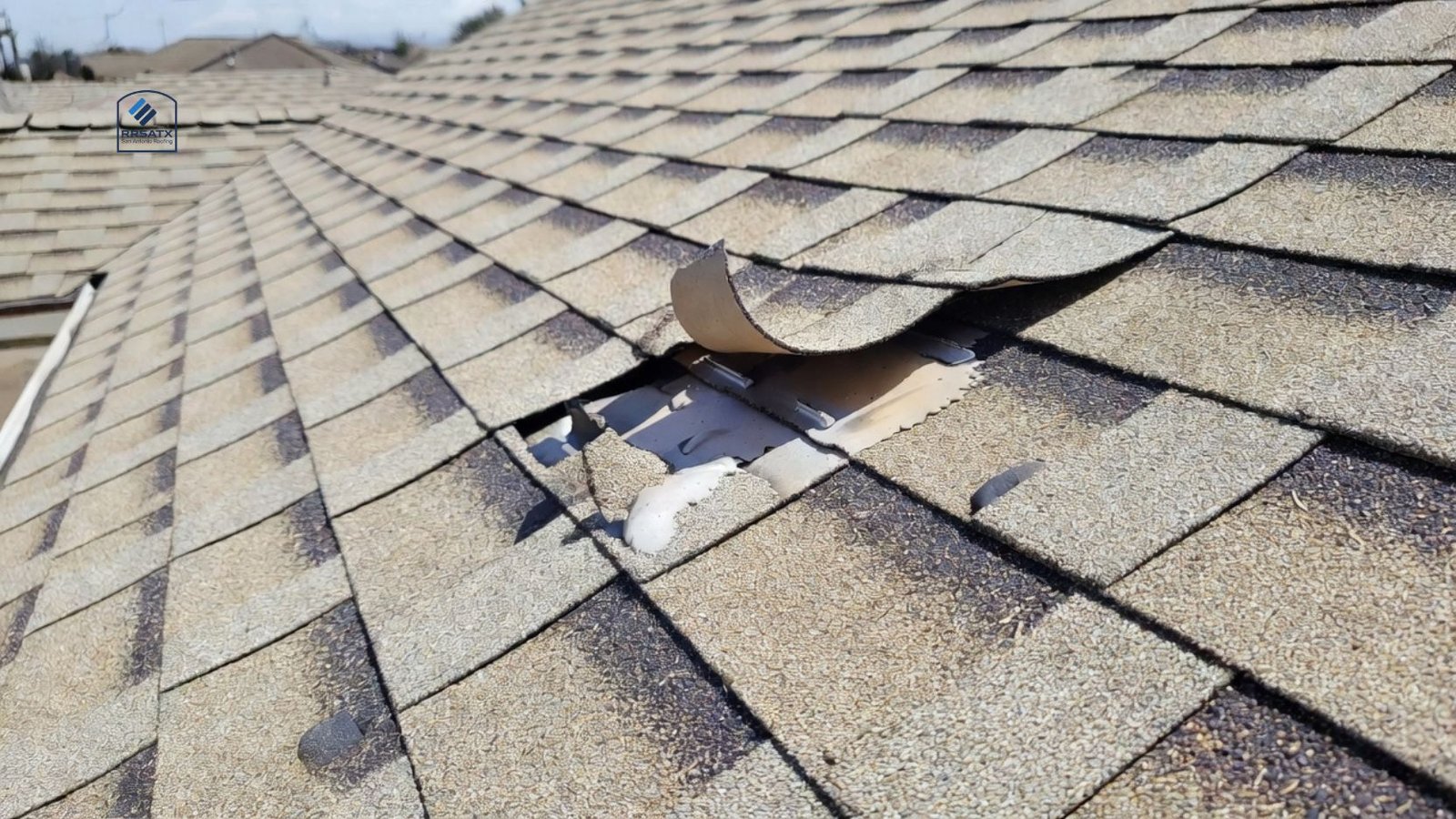
In San Antonio, the three most common issues we identify are hail damage, thermal wear, and improper installation.
Hail damage appears as:
- Dented or cracked shingles
- Bruised spots where granules are knocked loose
- Damaged flashing and vents
- Dented gutters and downspouts
Thermal damage includes:
- Curled or cupped shingles from heat stress
- Cracked sealant around flashing
- Brittle, easily broken shingles
- Accelerated granule loss
Installation defects we frequently see:
- Insufficient starter shingles
- Improper nail placement (too high or too low)
- Missing or inadequate underlayment
- Poor flashing installation around penetrations
Key takeaway: Approximately 60% of the roofs we inspect in San Antonio have damage the homeowner wasn’t aware of. Early detection prevents 80% of these issues from becoming major repairs.
How Inspections Save Money Long-Term
Regular inspections extend the roof’s lifespan and prevent costly emergency repairs.
Cost comparison:
| Scenario | Cost | Timeframe |
| Annual inspections + minor repairs | $0-$800/year | 20-25 year roof life |
| No inspections until major leak | $5,000-$15,000 | 12-15 year roof life |
| Full roof replacement (premature) | $8,000-$25,000 | Year 15-18 |
Real savings example:
A homeowner with a 15-year-old roof schedules an inspection. We identify early granule loss and minor flashing issues. Repairs cost $1,200. Without the inspection, these issues would have caused interior water damage within 2 years, costing $8,000 in ceiling repairs, mold remediation, and partial roof replacement.
Insurance benefits:
Many insurance companies offer premium discounts (typically 5-10%) for homes with documented regular roof maintenance. Additionally, having inspection records strengthens claims in the event of storm damage.
Do Inspections Help With Insurance Claims?
Yes. Professional inspection documentation is crucial for successful storm damage claims in San Antonio.
Insurance adjusters often minimize damage assessments to reduce payouts. Having an independent, certified inspection provides evidence to support your claim.
What our Haag Certification means for your claim:
Haag Engineering is the gold standard in roof damage assessment. Our certification means:
- Insurance companies recognize our findings as credible
- We use industry-standard forensic methods
- Our reports document damage objectively
- We can differentiate storm damage from wear and tear
Inspection timing for claims:
- Immediately after suspected damage: Document conditions before further weather affects the roof
- Before the adjuster arrives: Have your own documentation to compare with theirs
- If the claim is denied, an independent inspection can support an appeal
RRSATX works directly with your insurance company, providing detailed reports that clearly show covered damage versus maintenance issues.
FAQs
How Long Does A Typical Roof Inspection Take?
A thorough residential roof inspection takes 45-60 minutes. This includes exterior examination, attic inspection, and documentation. We provide a written report within 24-48 hours.
Can I Inspect My Own Roof?
While you can visually check from the ground, professional inspections are safer and more thorough. We use specialized equipment, such as infrared cameras, to detect hidden moisture, and our trained inspectors recognize subtle damage indicators that homeowners often miss.
Will An Inspection Damage My Roof?
No. Professional inspectors know proper walking techniques and use roof-safe equipment. We avoid walking on brittle or damaged areas and never use tools that could compromise shingles or flashing.