
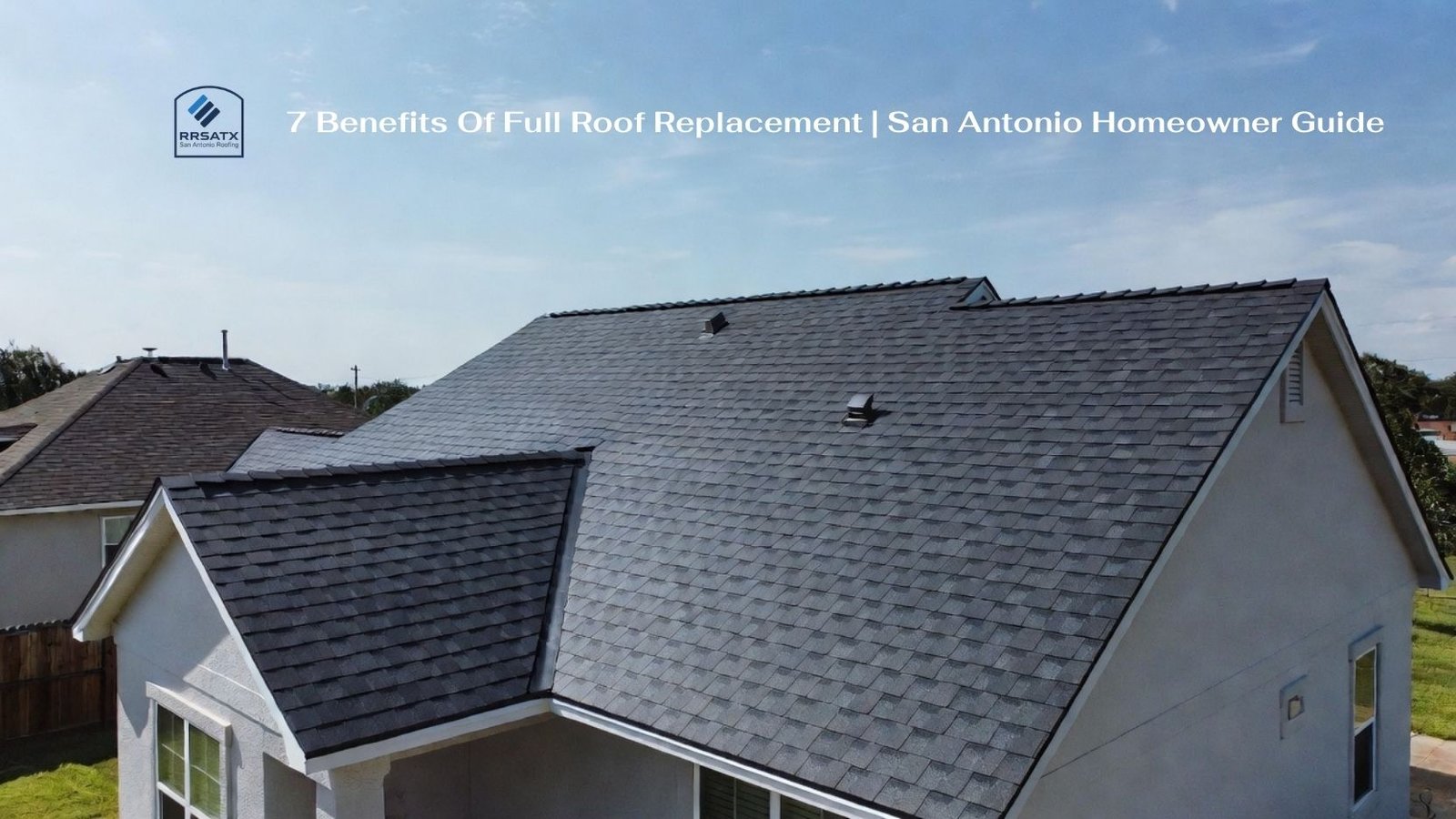
After more than a decade reviewing residential roofing projects across South Texas, I’ve seen how delaying full replacement often costs homeowners more in repairs, interior damage, and energy loss. In San Antonio’s heat, hail, and heavy rain conditions, aging roofs deteriorate faster than many expect.
The 7 key benefits of full roof replacement are improved protection, higher property value, better energy efficiency, insurance advantages, long-term cost savings, enhanced curb appeal, and stronger structural integrity. For roofs over 15–20 years old, replacement is often the smarter financial decision.
Below is a breakdown of each benefit and why it matters locally.
1. Does Full Roof Replacement Improve Home Protection?
Yes a full roof replacement restores complete weather protection, not just patched areas.
When you replace the entire roofing system, you’re upgrading:
- Shingles or metal panels
- Underlayment
- Flashing
- Ventilation components
- Water barriers
In San Antonio, strong sun exposure weakens materials, while hail and wind create hidden vulnerabilities. Replacing the system ensures every layer works together.
Key takeaway: Repairs fix symptoms. Replacement restores full structural protection.
2. Will A New Roof Increase Property Value?
Yes a new roof can significantly improve resale value and buyer confidence.
Homebuyers and inspectors immediately evaluate roof condition. An aging roof can:
- Lower appraised value
- Trigger buyer repair demands
- Delay closing
A new roof signals low future maintenance and reduced risk.
For homeowners near 4324 Monterey St or 318 E Nakoma Dr, where competitive listings matter, roof condition can directly impact marketability.
3. Can Roof Replacement Improve Energy Efficiency?
Yes, modern roofing systems reduce heat transfer and improve attic ventilation.
Older roofs often lack:
- Reflective shingle technology
- Proper ridge and soffit ventilation
- Adequate insulation integration
In the South Texas heat, improved roofing systems can:
- Reduce attic temperatures
- Lower cooling strain
- Stabilize indoor comfort
Key takeaway: Energy efficiency gains may not be dramatic overnight, but they compound over time.
4. Is Full Replacement More Cost-Effective Than Ongoing Repairs?
In many cases, yes especially when repair costs exceed 30–40% of replacement cost.
If you’re dealing with:
- Recurring leaks
- Multiple patch jobs
- Widespread shingle damage
- Storm impact across large areas
Then repeated repairs often become a short-term solution to a long-term problem.
Here’s a simple comparison:
| Situation | Better Option |
| Minor isolated damage | Repair |
| Roof 20+ years old | Replace |
| Multiple leak points | Replace |
| Structural sagging | Replace |
Over time, replacement prevents repeated service calls and interior damage.
5. Does Roof Replacement Help With Insurance Claims?
Yes, especially after hail or wind damage.
San Antonio frequently experiences hailstorms that cause:
- Shingle bruising
- Granule loss
- Seal strip failure
When damage is widespread, insurance companies often approve full replacement rather than partial repair.
Additionally, newer roofs may:
- Qualify for better premiums
- Reduce underwriting risk
- Improve claim approval clarity
Key takeaway: A documented full replacement strengthens your insurance position long term.
6. Will A New Roof Improve Curb Appeal?
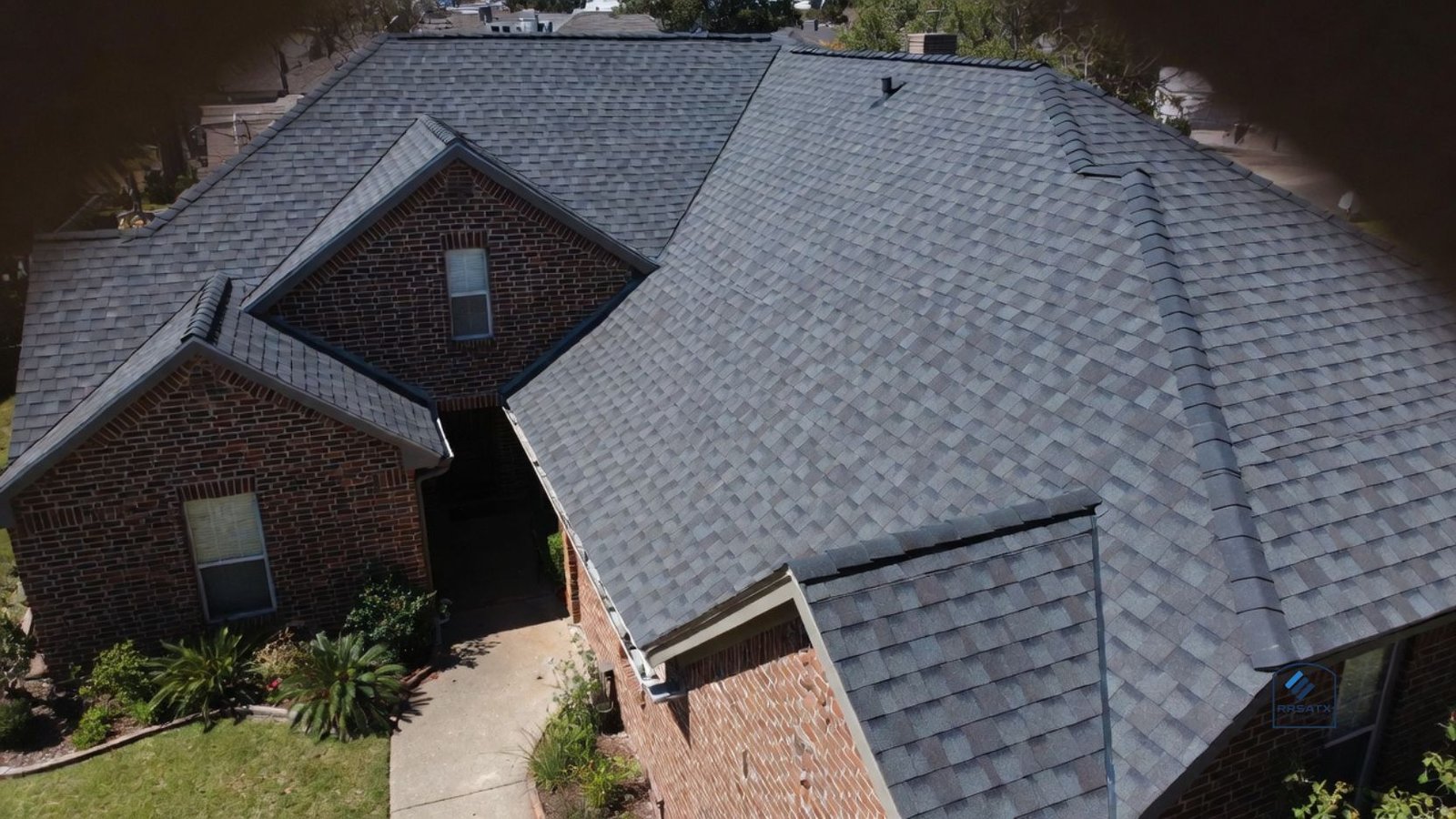
Absolutely few upgrades change a home’s appearance as dramatically as a new roof.
Your roof can represent up to 40% of your home’s visible exterior.
Benefits include:
- Updated color options
- Modern architectural shingles
- Cleaner rooflines
- Elimination of patchy sections
For homeowners focused on resale or neighborhood aesthetics, roof replacement has a strong visual impact.
7. Does Full Roof Replacement Improve Structural Integrity?
Yes, especially if decking or underlayment damage is present.
During full replacement, contractors inspect:
- Roof decking
- Flashing systems
- Ventilation pathways
- Moisture barriers
Hidden rot or water damage is addressed before new materials are installed.
This strengthens the entire roofing system, not just the surface layer.
When Is Full Roof Replacement The Smartest Move?
Full replacement makes the most sense when:
- The roof is 15–20+ years old
- Multiple leaks are present
- Storm damage is widespread
- Shingles are curling or missing
- Repair costs are stacking up
Delaying replacement often leads to:
- Interior ceiling damage
- Mold growth
- Insulation loss
- Structural wood rot
Key takeaway: Replacing proactively gives you financial control. Waiting turns it into emergency spending.
Final Thoughts
The 7 benefits of full roof replacement go beyond aesthetics. You gain:
- Stronger protection
- Increased property value
- Energy performance improvements
- Insurance advantages
- Long-term cost savings
- Better curb appeal
- Restored structural integrity
For San Antonio homeowners managing aging roofs or storm damage, replacement is often an investment not just an expense.
FAQs
How Long Does A Full Roof Replacement Take?
Most residential projects take 1–3 days, depending on size, weather, and the required structural repairs.
How Much Does A Full Roof Replacement Cost In San Antonio?
Typical asphalt shingle replacements range from $8,000 to $18,000, depending on roof size, pitch, and material choice.
Is It Better To Replace A Roof Before Selling?
In many cases, yes. A new roof can increase buyer confidence and reduce negotiation friction during inspection.