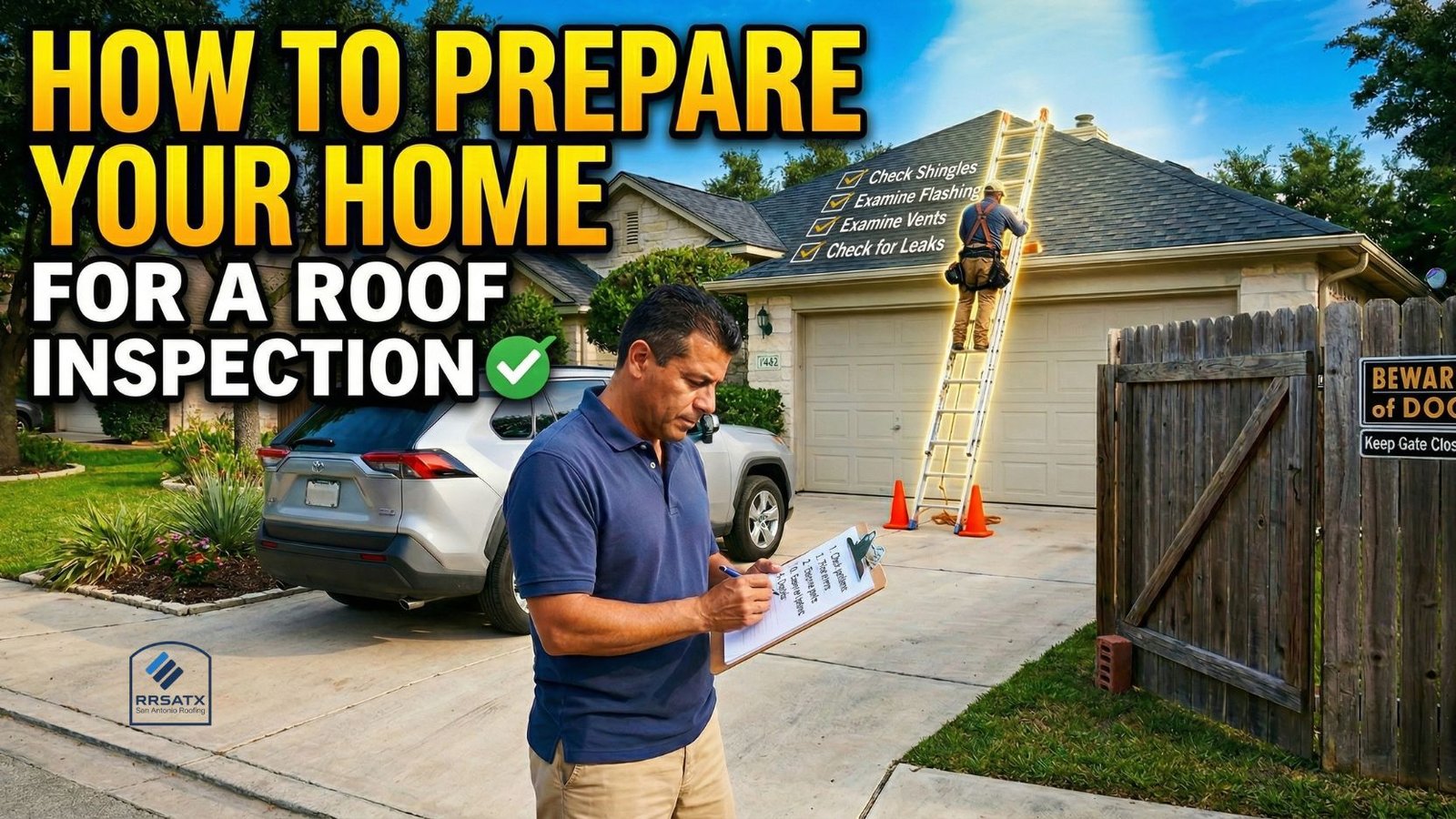
With decades of roofing experience behind the team at RRSATX: San Antonio Roofing Company, we know that a smoother inspection starts with simple preparation. In San Antonio, where roofs face intense sun, hail, wind, and sudden storms, a well-prepared inspection helps identify leaks, storm damage, ventilation issues, and aging materials faster and more accurately.
To prepare your home for a roof inspection, clear access around the house, document visible leak or storm issues, provide attic access if available, move fragile items away from affected interior areas, and be ready to share the roof’s age and repair history. That is the most efficient way to help a roofer inspect your home safely and thoroughly.
Why Should You Prepare Your Home Before A Roof Inspection?
Preparing your home helps the inspection go faster, safer, and more accurately. It also makes it easier for the contractor to identify the cause of damage instead of just the symptoms.
A roof inspection is not only about looking at shingles from the outside. In many cases, the roofer also needs to evaluate:
- Interior signs of leaks
- Attic moisture or ventilation problems
- Flashing and penetrations
- Drainage issues
- Storm-related damage patterns
Key takeaway: A few small steps before the appointment can help you get a more useful inspection report and clearer next steps.
What Should You Do Outside Your Home Before The Roof Inspection?
The most important outdoor step is to make roof access safe and clear. This allows the inspector to move around the property efficiently and check problem areas without delays.
Before the appointment:
- Move vehicles away from the driveway or garage area
- Unlock gates if roof access requires backyard entry
- Clear patio furniture, grills, or equipment near access points
- Keep pets inside or secured
- Remove loose branches or obvious debris from walkways if safe to do so
If you recently had a storm, do not climb onto the roof yourself. Instead, note what you saw from the ground, such as:
- Missing shingles
- Bent flashing
- Fallen tree limbs
- Dented gutters
- Debris impact areas
Outdoor Prep Checklist
| Task | Why it matters |
| Move cars | Creates space for ladder placement |
| Unlock gates | Allows full perimeter access |
| Secure pets | Prevents safety issues |
| Clear walkways | Reduces trip hazards |
| Note visible damage | Helps target problem areas |
What Should You Do Inside Your Home Before The Inspection?
Inside the home, your goal is to make leak evidence and attic access easy to evaluate. This is especially important if the roof issue is not obvious from the exterior.
Helpful preparation steps include:
- Move furniture or valuables away from active leak areas
- Place buckets or towels under current drips
- Take note of ceiling stains, bubbling paint, or wall discoloration
- Make a list of rooms where leaks have appeared
- Clear access to the attic hatch, if your home has one
If the attic is accessible, the inspector may look for:
- Moisture intrusion
- Wet insulation
- Mold or mildew signs
- Daylight coming through decking
- Ventilation problems
Key takeaway: Interior leak patterns often help confirm whether the issue is caused by flashing, underlayment failure, storm damage, or aging roofing materials.
What Information Should You Have Ready For The Roofing Contractor?
You should have basic roof history ready before the inspection. This helps the contractor understand the roof’s age, repair background, and likely problem areas.
Useful information includes:
- Approximate age of the roof
- Type of roofing material
- Date of the last repair or replacement
- Whether leaks happen only during heavy rain or all rain
- Whether damage followed hail or wind
- Past insurance claims related to the roof
If you have paperwork, keep these documents nearby:
- Previous roofing invoices
- Warranty information
- Insurance claim records
- Home inspection reports
- Photos from before or after a storm
Best Information To Share
| Information | Why it helps |
| Roof age | Helps assess remaining lifespan |
| Roof type | Guides inspection focus |
| Repair history | Reveals recurring issues |
| Storm date | Helps identify damage source |
| Leak timing | Helps trace water entry points |
Should You Clean The Roof Before A Roof Inspection?
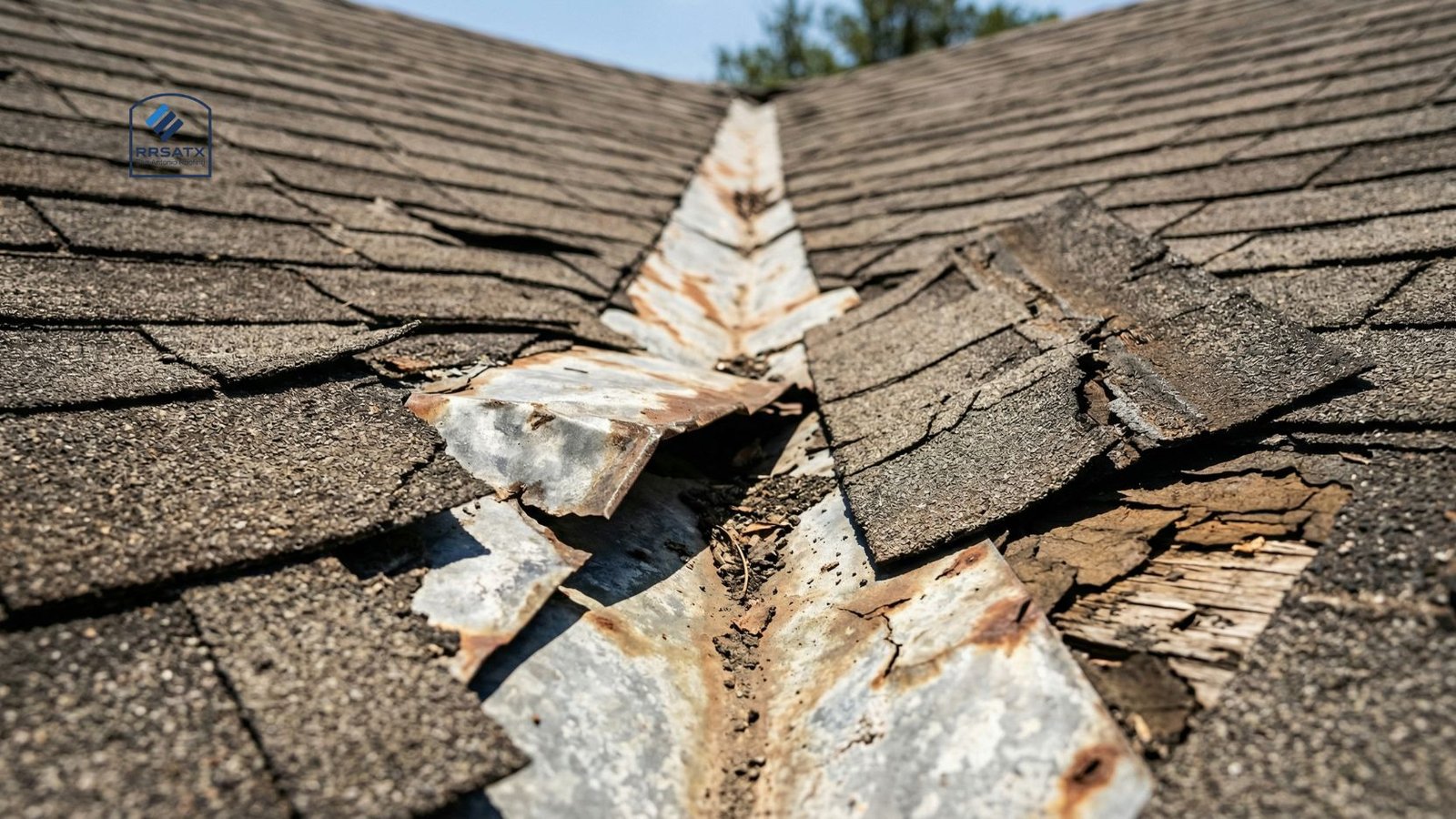
No, you should not try to clean or walk on the roof before a professional inspection. In most cases, that creates unnecessary risk and can disturb evidence of damage.
What you can do safely:
- Remove small debris from the ground-level perimeter
- Photograph visible issues from the yard
- Point out areas where debris fell after a storm
What you should avoid:
- Climbing onto the roof
- Pressure washing roofing materials
- Pulling up loose shingles
- Moving damaged flashing
- Covering exterior damage before documentation, unless emergency protection is necessary
For homeowners dealing with storm damage or insurance concerns, preserving visible conditions can be important for documentation.
How Do You Prepare For A Roof Inspection After A Storm?
After a storm, preparation should focus on safety, damage documentation, and fast access for the inspection. The goal is to help the roofer assess both visible and hidden storm-related damage.
Start with these steps:
- Take photos of visible damage from the ground
- Write down the date of the storm
- Note where leaks appeared inside
- Save any pieces of roofing material found on the ground
- Report urgent leaks when booking the inspection
Common post-storm issues in San Antonio include:
- Hail bruising on shingles
- Lifted or missing shingles after wind
- Damaged flashing
- Gutter dents
- Water intrusion around penetrations
- Flat roof drainage problems
Key takeaway: If there is active leaking after a storm, schedule the inspection as soon as possible to reduce interior damage.
How Should Home Buyers And Sellers Prepare For A Roof Inspection?
Buyers and sellers should prepare by organizing roof records and making sure the inspector has full access to the property. A roof inspection can affect negotiations, repair requests, and closing timelines.
For sellers:
- Gather maintenance and repair records
- Be honest about known leaks or prior storm damage
- Make roof and attic access easy
For buyers:
- Ask about roof age and past issues
- Request documentation of repairs or replacement
- Review whether visible wear matches the seller’s disclosures
A roof inspection before closing can reveal:
- Remaining roof lifespan
- Repair needs
- Storm damage
- Deferred maintenance
- Potential replacement costs
What Happens If Your Home Is Not Prepared For The Inspection?
If your home is not prepared, the inspection may still happen, but it can be slower, less complete, or require a follow-up visit.
Common problems include:
- Locked gates
- Blocked attic access
- Pets interfering with entry
- Missing information about leak locations
- Furniture preventing interior review
That does not always stop the inspection, but it may limit how much the contractor can confirm during the first visit.
Where Can San Antonio Homeowners Schedule A Roof Inspection?
Homeowners in San Antonio can schedule inspections with a local contractor familiar with South Texas weather patterns and roofing systems. RRSATX: San Antonio Roofing Company serves local property owners from:
- 4324 Monterey St, San Antonio, TX 78237, USA
- 318 E Nakoma Dr #210, San Antonio, TX 78216
This is especially relevant for homeowners with leaks, storm damage, aging roofs, home sale needs, or insurance-related concerns.
FAQs
Do I Need To Be Home During A Roof Inspection?
It is usually best to be available, especially if there are interior leaks, attic access points, or questions about roof history.
Should I Tell The Roofer About A Small Leak Even If It Stopped?
Yes. Even a past leak can help identify hidden roof damage or weak areas.
Can A Roof Inspection Be Done After Hail Even If I Do Not See Damage?
Yes. Hail damage is not always obvious from the ground, and hidden damage can shorten roof life over time.