
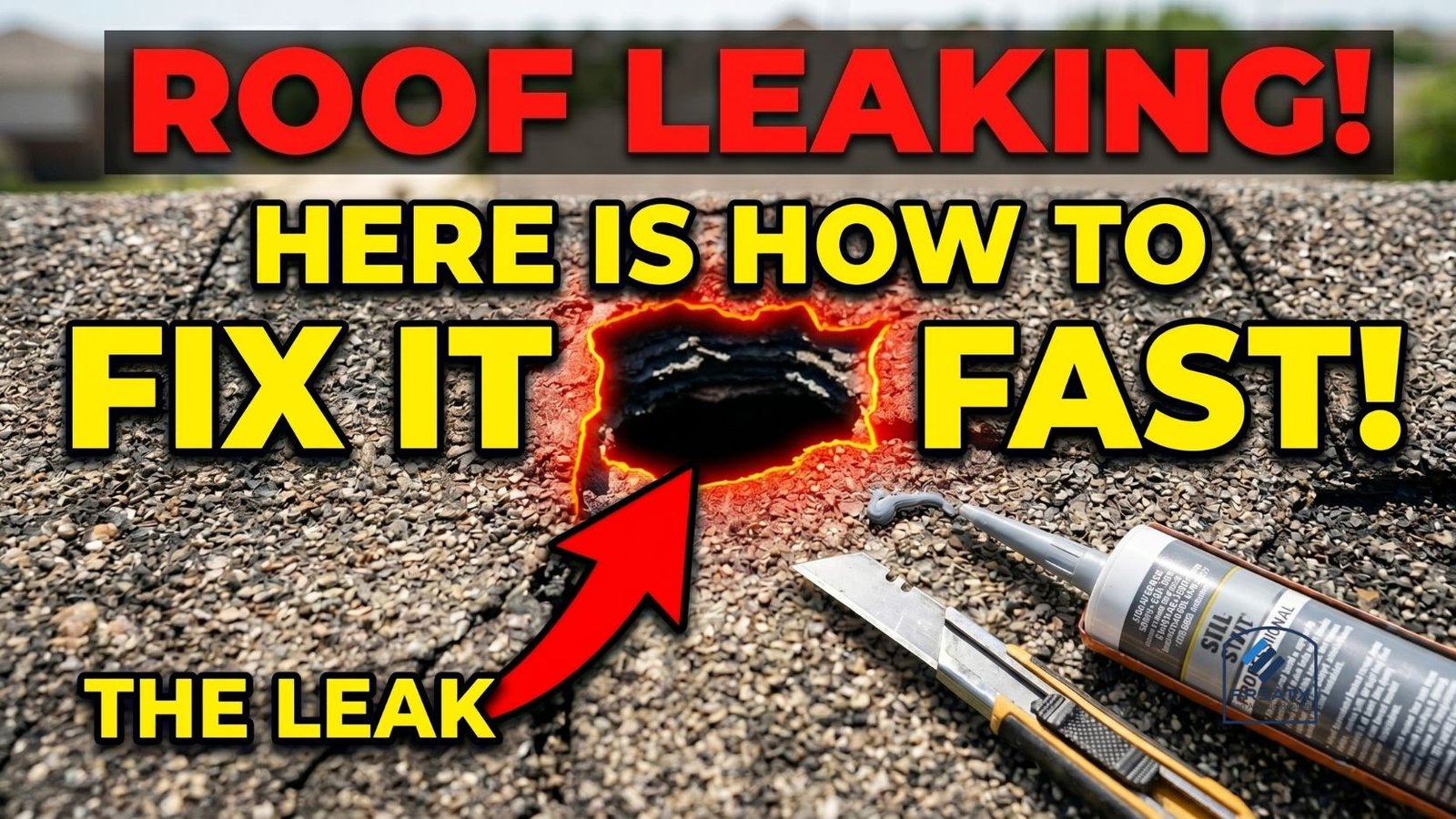
If your roof is leaking, the fastest safe fix is to stop the water inside, protect the damaged area with an emergency tarp if conditions allow, and get a professional inspection right away. With 40 years of personal roofing experience and decades of combined crew expertise in San Antonio, RRSATX: San Antonio Roofing Company knows that small leaks can turn into drywall damage, mold, insulation problems, and structural rot very quickly. From our San Antonio locations at 4324 Monterey St and 318 E Nakoma Dr #210, we help homeowners and commercial property owners stop leaks before they get worse.
What Should You Do First When You Notice A Roof Leak?
The first step is to limit the damage, not to guess at the cause.
Do this immediately:
- Move furniture, electronics, and valuables away from the leak
- Place a bucket or container under active dripping
- Use towels to protect flooring
- Take photos for records and possible insurance claims
- Avoid going on the roof during rain, wind, or unsafe conditions
- Call a licensed roofer for emergency roof leak repair or tarping
Key takeaway: A roof leak is an urgent issue. The goal is to prevent water damage now and find the source next.
What Usually Causes A Roof Leak In San Antonio?
Most roof leaks come from a few common problem areas. In San Antonio, heat, hail, wind-driven rain, and aging materials make these issues more likely.
Common Leak Sources Include:
- Missing or lifted shingles
- Damaged flashing around chimneys, vents, skylights, or walls
- Cracked pipe boots or worn sealant
- Storm and hail damage
- Clogged gutters causing water backup
- Flat roof seam failures
- Aging roofing materials on roofs 15–20+ years old
For commercial buildings, low-slope and flat roofs often leak at seams, drains, and penetrations. For homes, leaks often show up in the attic first before becoming visible on ceilings.
What Is The Fastest Temporary Fix For A Leaking Roof?
The fastest temporary fix is usually an emergency tarp installed over the damaged area, but only if it can be done safely and the roof surface is accessible.
Safe Temporary Fixes Can Include:
- Emergency tarping
- Controlled interior water containment
- Short-term sealing on a dry surface
- Leak documentation for inspection and claims
What Not To Rely On:
- Household caulk as a permanent fix
- Roof patching during active rain if the surface is unsafe
- Assuming the leak will stop on its own
| Leak cause | Fast temporary fix | Permanent fix |
| Missing shingles | Tarp the area | Replace shingles and underlayment if needed |
| Damaged flashing | Protect interior water intrusion | Repair or replace flashing |
| Cracked pipe boot | Contain inside leak | Replace vent boot and reseal |
| Flat roof seam leak | Emergency patch or tarp | Seam repair or membrane restoration |
Should You Repair The Leak Or Replace The Roof?
That depends on the age of the roof and how widespread the damage is.
A Repair Is Usually Enough When:
- The leak is isolated
- The roof is otherwise in good condition
- The damage came from one storm event
- The rest of the system still has useful life left
A Replacement Is Often Smarter When:
- The roof is 15–20+ years old
- You have recurring leaks
- Multiple areas are damaged
- Shingles are curling, missing, or losing granules
- There is visible sagging or widespread deterioration
If you are budget-conscious, a good inspection matters. A small repair today is usually cheaper than paying later for mold cleanup, ceiling repair, or interior restoration.
Why Do Leaks Get Worse So Fast?
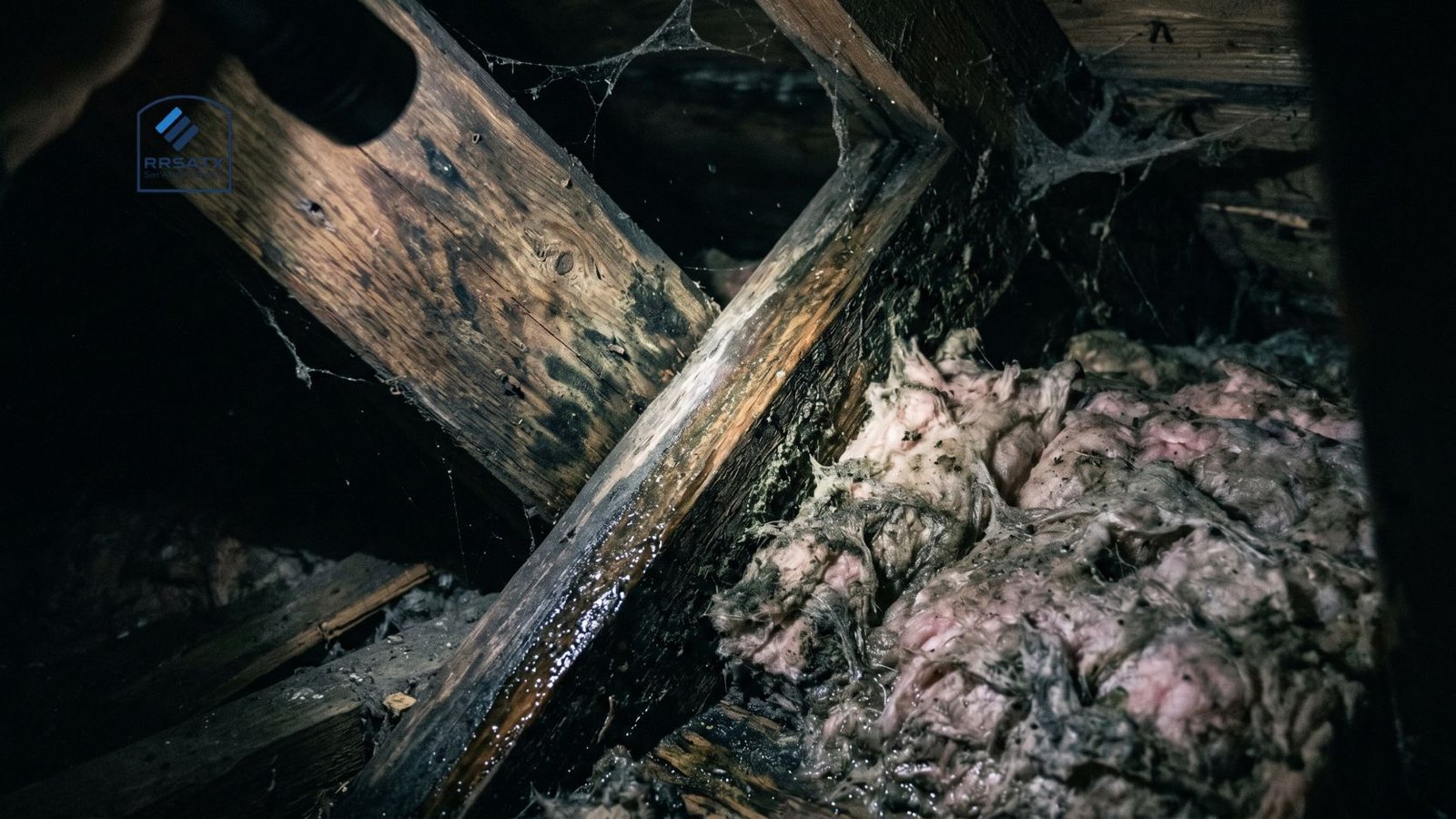
Water moves fast once it enters a roofing system. It can travel across decking, insulation, framing, and drywall before you see the source.
That is why a leak may show up:
- In a room far from the roof damage
- Near a ceiling light or wall corner
- After only light rain
- Only during wind-driven storms
Key takeaway: The visible drip is often not the actual entry point. Professional leak detection is the fastest way to fix the real problem.
What If The Leak Is Related To Storm Damage Or An Insurance Claim?
If the leak followed hail, strong wind, or a recent storm, document everything right away.
Do This For Insurance-Related Leaks:
- Photograph the damage
- Save receipts for emergency tarping or temporary protection
- Note the date of the storm
- Request a roof inspection and damage report
- Keep records of all communication
For storm-related claims, a roofer can help identify whether the issue is wind damage, hail impact, flashing failure, or normal wear that happened to fail during the storm.
FAQs
How Long Can I Leave A Roof Leak Unrepaired?
Not long. Even a small leak can cause hidden damage within hours or days, especially if insulation or drywall gets wet.
Can I Fix A Roof Leak From Inside The House?
You can contain the water inside, but that is not a real repair. The source of the leak still needs to be fixed from the roof system.
Will Homeowners Insurance Cover A Leaking Roof?
It depends on the cause. Storm damage is often covered, but wear-and-tear, neglect, and aging materials usually are not.