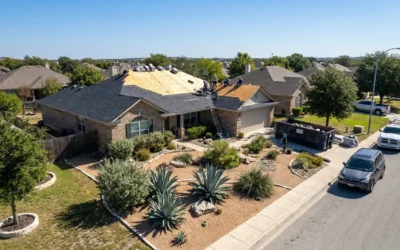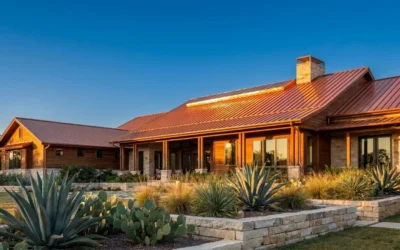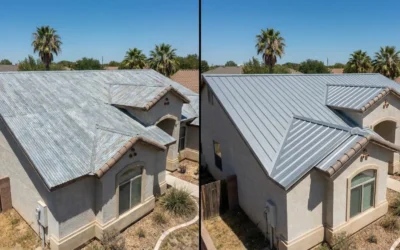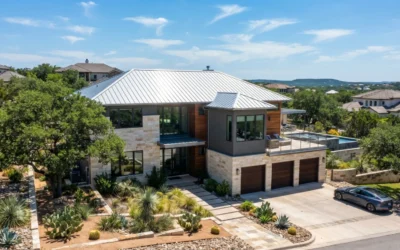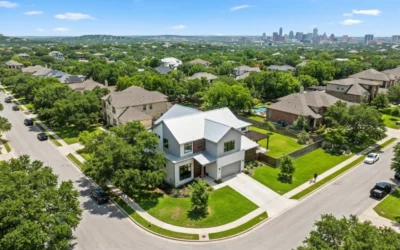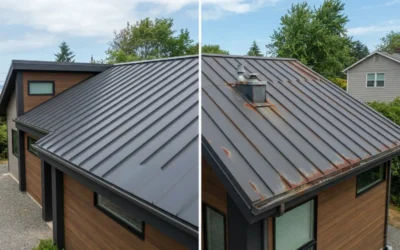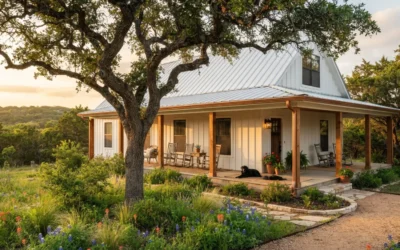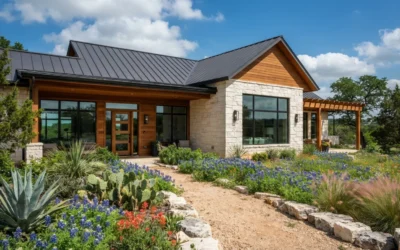
A metal roof can cost two to three times what an asphalt shingle roof costs, and most San Antonio homeowners want to know exactly where that money goes. This guide breaks down every cost driver behind a metal roof, what each material actually costs installed in 2026, and why the higher upfront price often works out cheaper over the life of the roof.
Ask for a metal roof quote in San Antonio and the number can be a shock, especially if you have only ever priced asphalt shingles. A new asphalt roof on an average home might run $9,000 to $16,000. The same home in standing seam metal can land anywhere from $20,000 to $35,000 or more. That gap is real, and it is the single biggest reason homeowners hesitate on metal.
Here is the honest answer to where that money goes. A metal roof costs more because it is a fundamentally different product: a heavier raw material, an engineered coating system, specialized labor, and a complete weatherproofing assembly built to last two to three times as long as shingles. This guide walks through all five cost drivers, shows you real 2026 San Antonio pricing by material, and explains why the higher sticker price often costs you less per year of ownership.
An asphalt roof is priced as a 15 to 20 year product. A metal roof is priced as a 50 year product. When you compare the two on cost per year of protection instead of upfront sticker price, the math shifts dramatically. A $30,000 metal roof that lasts 50 years costs $600 per year. A $13,000 asphalt roof replaced every 18 years costs about $720 per year once you account for replacing it two or three times over that same 50 year window, and that is before counting energy savings, repairs, and the disruption of repeated tear-offs.
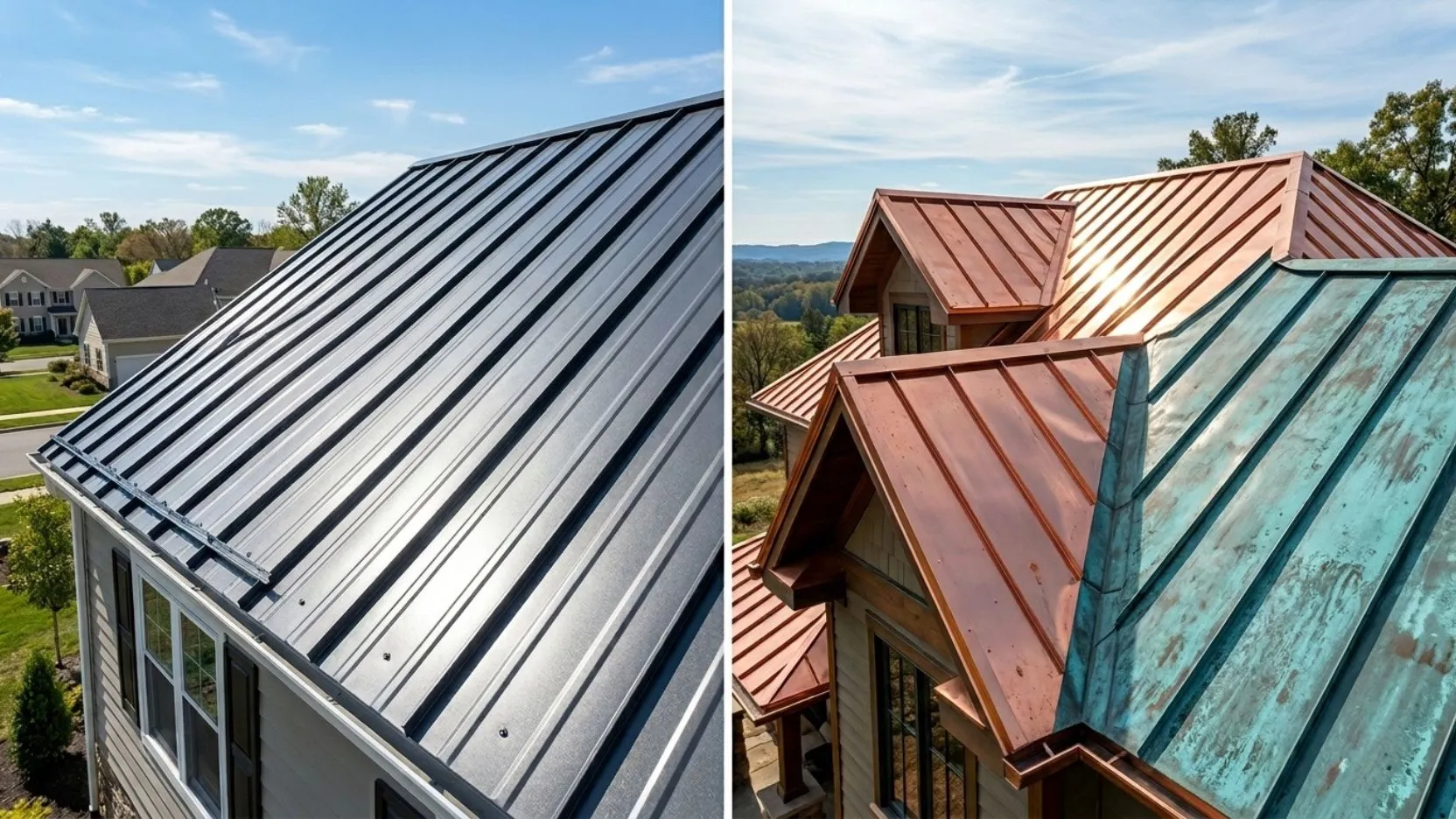
The most basic reason a metal roof costs more starts with the material itself. Asphalt shingles are made from a fiberglass mat coated in asphalt and mineral granules, a relatively cheap, mass-produced product. Metal roofing panels are formed from coils of steel, aluminum, zinc, or copper, all of which are commodity metals with prices set by global markets. When steel and aluminum prices rise, metal roofing prices rise with them.
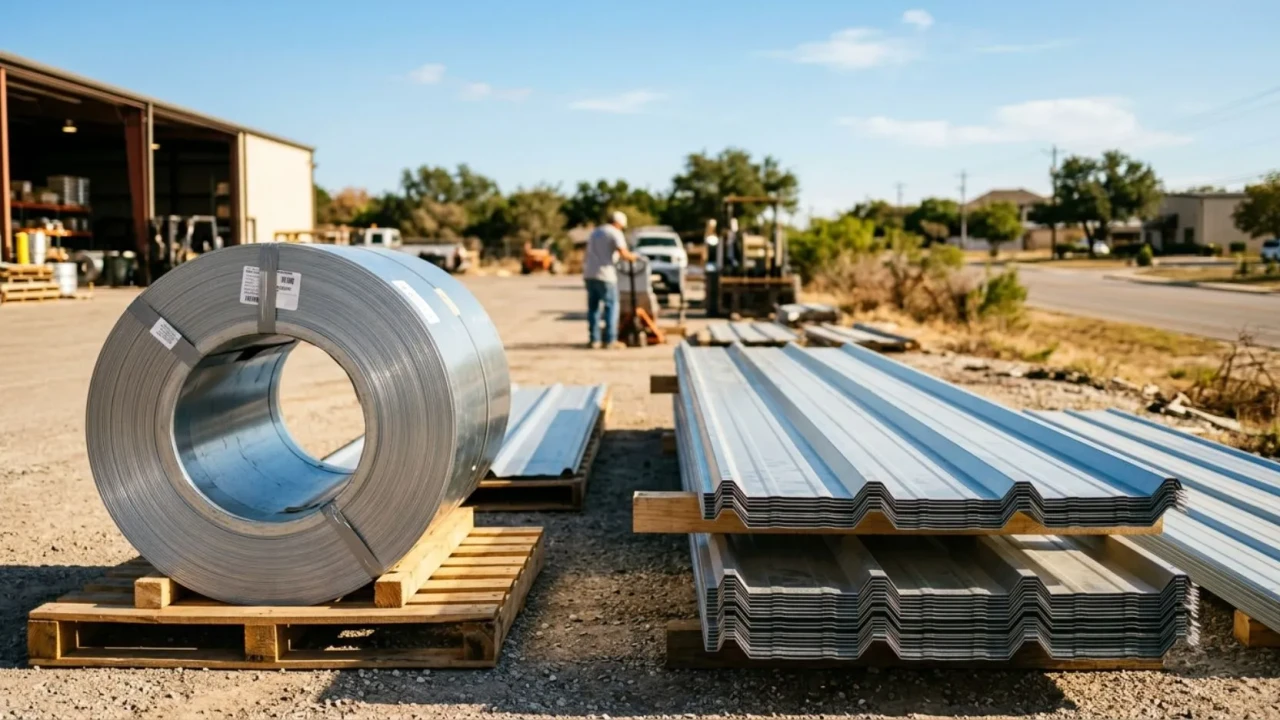
Steel is the most common and most affordable metal roofing material. Galvalume-coated steel offers the best balance of price and durability for most San Antonio homes, which is why it dominates the residential market.
Aluminum costs more than steel but resists corrosion better, making it a strong choice closer to coastal or high-humidity conditions. Copper and zinc sit at the top of the price scale and can cost four to six times more than steel.
The gauge, or thickness, of the metal also affects price. A thicker, heavier-gauge panel (such as 24 gauge versus 26 gauge steel) costs more but resists denting and lasts longer. Cutting cost by choosing the thinnest available gauge is a common way that suspiciously cheap metal roof quotes are built, and it usually shows up later as hail damage and oil-canning. If you want to understand which materials hold up longest for the money, our guide on the most durable metal roofing material walks through each option in detail.
- Metal type confirmed in writing: steel, aluminum, zinc, or copper, not just the word "metal"
- Gauge specified: 24 gauge offers better dent resistance than 26 gauge for San Antonio hail
- Coating type listed: Galvalume, galvanized, or a painted finish
- Panel thickness verified against the quote so you are not paying for a heavier gauge than you receive
- Material warranty length documented separately from the workmanship warranty
A bare steel panel would rust in a few Texas summers. What makes metal roofing last for decades is the engineered coating system layered onto it, and that system is a major part of the price. There are two coatings that matter: the metallic layer that protects against corrosion, and the paint finish that holds color and reflects heat.
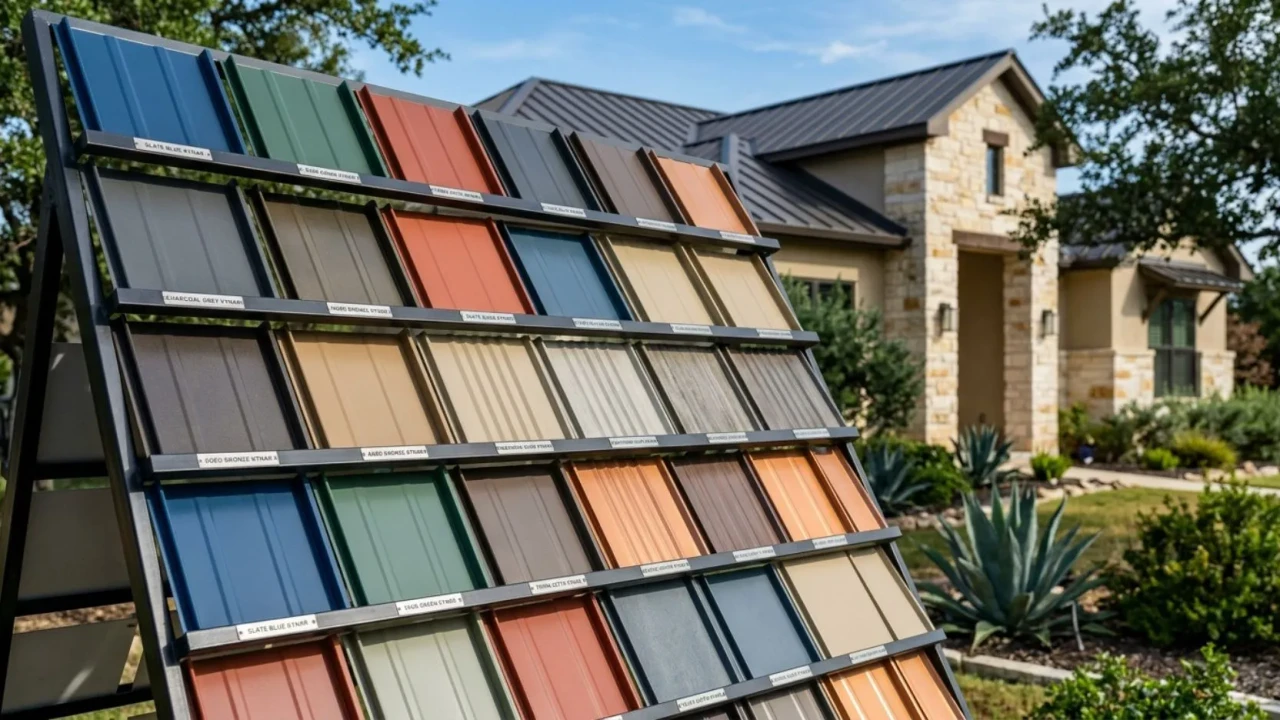
Galvalume and galvanized are the metallic coatings bonded to the steel to fight corrosion. Galvalume, an aluminum-zinc alloy coating, is the modern standard and outperforms older galvanized coatings in the San Antonio climate.
Kynar 500 and PVDF are the premium paint finishes. They cost more than a standard polyester or SMP paint, but they resist fading, chalking, and UV breakdown for decades. A cheaper paint finish can fade noticeably within ten years under Texas sun.
This is one of the easiest places for a low quote to hide a downgrade. Two roofs that look identical on day one can use very different paint systems, and the difference shows up as a chalky, faded roof a decade later on the cheaper one. When you compare quotes, the paint finish line is worth asking about specifically.
Cool-roof rated finishes pay you back every San Antonio summer. Reflective metal roof coatings bounce a large share of solar heat away instead of letting it soak into your attic. In a climate where air conditioning runs from spring through fall, a reflective metal roof can measurably lower cooling costs. That energy saving is part of why the higher upfront cost of a quality coated panel is not the whole story. Ask whether the finish carries an ENERGY STAR or cool-roof rating.
- Metallic coating named: Galvalume preferred over older galvanized for San Antonio conditions
- Paint system specified: Kynar 500 or PVDF for the longest color life
- Color and finish warranty length confirmed in years, with fade and chalk coverage spelled out
- Cool-roof or reflective rating confirmed if energy savings matter to you
- Finish matched across panels and trim so colors do not differ between batches
Labor is often close to half the total cost of a metal roof project, and there is a good reason for that. Installing asphalt shingles is a high-volume trade that many crews can do. Installing a metal roof correctly, especially a standing seam system, requires specialized training, specific tools, and a level of precision that fewer crews have. You are paying for skill that prevents leaks, not just hours on the roof.
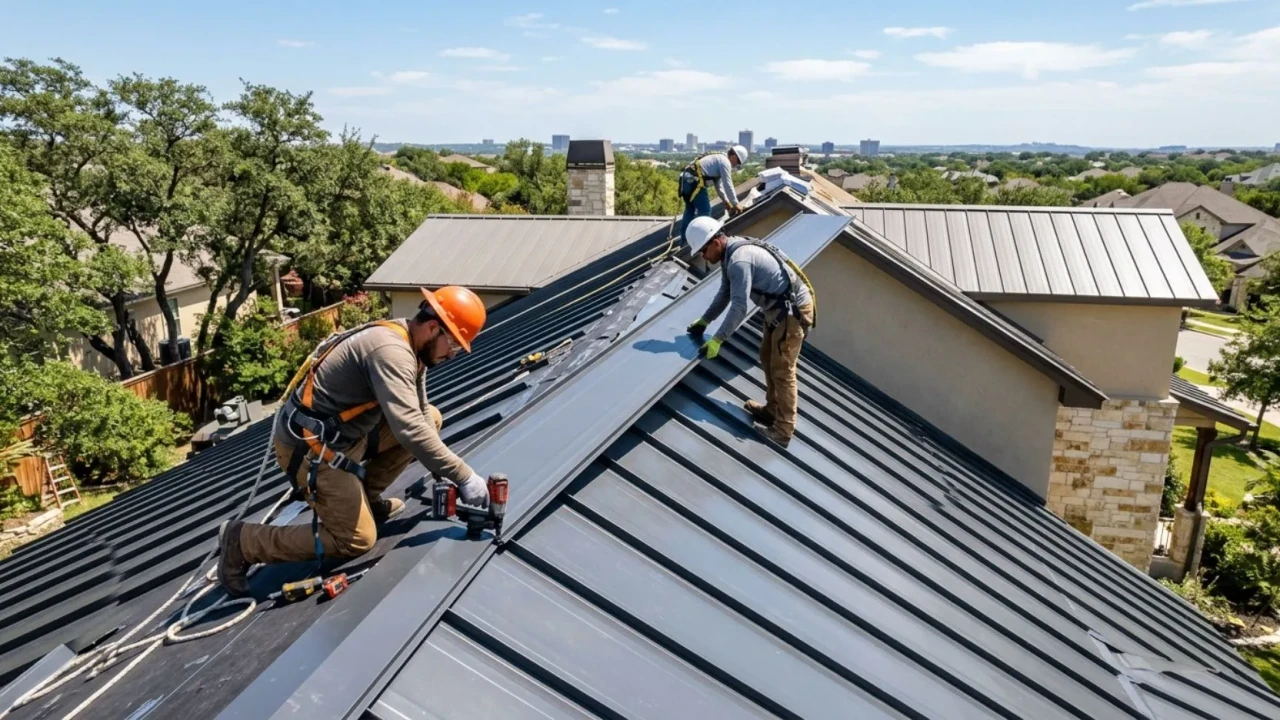
Panels are custom cut and formed to your roof. Standing seam panels are frequently roll-formed to exact length, sometimes on site, so they run unbroken from ridge to eave with no horizontal seams to leak.
Flashing and detail work drive quality. Valleys, ridges, hips, chimneys, and penetrations all need precise metal flashing. This is slow, exacting work, and it is where a metal roof either stays watertight for decades or starts leaking early.
Metal expands and contracts more than asphalt as temperatures swing, and in San Antonio that swing is extreme. A metal roof can shift more than 100 degrees Fahrenheit in surface temperature between a January morning and a July afternoon. A skilled installer builds in that movement with the right clips and fasteners so panels do not buckle, loosen, or leak over time. A cheap crew that skips this is exactly how you end up needing repairs years sooner than you should.
- Crew has documented metal roofing experience, not just shingle installation history
- Standing seam quotes confirm the panel attachment method: concealed clips, not exposed face screws
- Thermal expansion allowance addressed in the proposal for the Texas temperature range
- Flashing details at valleys, chimneys, and penetrations described in the scope
- Workmanship warranty offered in writing, separate from the material warranty
- Certificate of insurance verified before any work begins on your roof
When homeowners price a metal roof by the panel alone, they miss a large share of the real cost. A metal roof is a complete system, and every layer below and around the panels adds material and labor. These components are part of why the total comes in higher than a simple panel price would suggest.
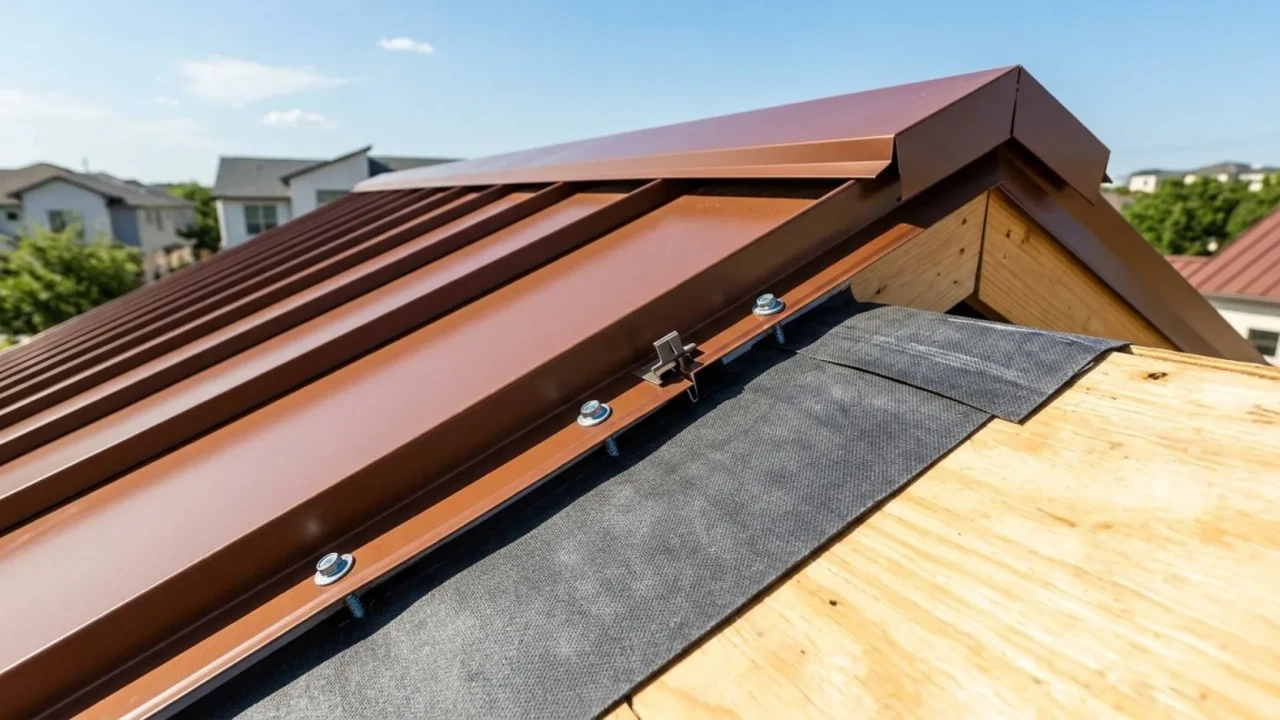
High-temperature underlayment is a must under metal in the San Antonio climate. Standard felt can break down under the heat that builds beneath metal panels, so a synthetic or peel-and-stick high-temp membrane is used instead, and it costs more.
Specialized fasteners, clips, closures, and trim all add up. Ridge caps, eave and rake trim, sealed fasteners, foam closures, and pipe boots rated for metal are all part of the assembly that keeps water out.
If you are weighing a metal roof partly for its long-term watertightness, it helps to know how the system actually performs against shingles over time. Our guide on whether a metal roof leaks more than shingles covers how a properly installed metal system keeps water out for decades.
Ask for an itemized quote, not a single lump sum. A good metal roofing proposal in San Antonio lists panels, underlayment, trim, fasteners, flashing, tear-off, disposal, and labor as separate lines. A lump-sum number with no breakdown makes it impossible to compare quotes fairly and is where corners get cut on the parts you cannot see. The itemized version also tells you whether the high-temperature underlayment and proper trim are actually included or quietly left out to lower the price.
- High-temperature underlayment specified by name, not generic felt
- Tear-off and disposal of the old roof included in the quote or clearly excluded
- Ridge, eave, rake, and valley trim listed as line items
- Fasteners identified as gasketed and rated for the panel system being installed
- Penetration details addressed: pipe boots, vents, and chimney flashing rated for metal
- Decking inspection included so any rotten sheathing is caught before panels go down
Not all metal roofs cost the same, and the panel profile you choose is the single biggest lever on price. The same home can be roofed in metal for a wide range of totals depending on whether you choose an exposed-fastener corrugated panel or a concealed-fastener standing seam system.
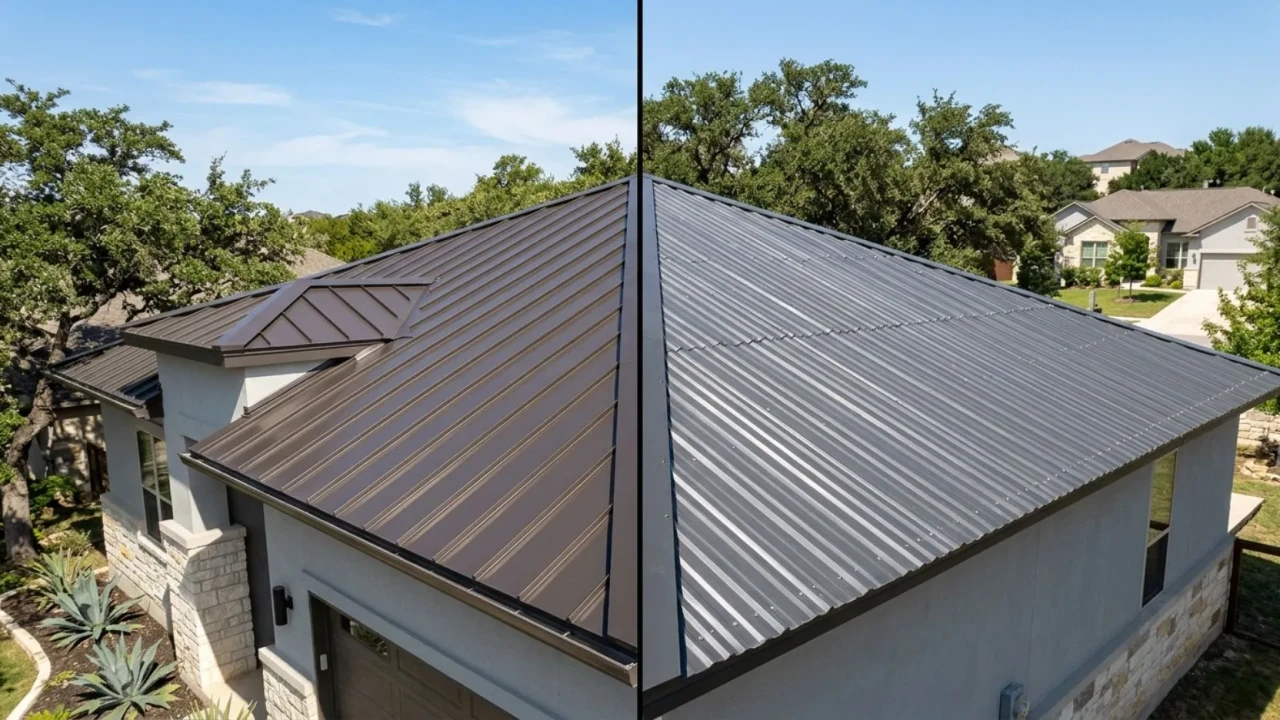
Exposed-fastener corrugated panels are the most affordable metal option. Screws go through the face of the panel, installation is faster, and the material is cheaper, which is why this is the budget end of metal roofing.
Standing seam hides its fasteners under raised, interlocking seams. It costs more in both material and labor, but the concealed fasteners mean far fewer leak points and a cleaner look that many homeowners prefer.
The trade-off is not only price. Exposed-fastener systems rely on hundreds of rubber-gasketed screws that eventually need re-tightening or replacement as the washers age, which adds maintenance cost over time. Standing seam carries a higher upfront price but lower long-term upkeep. If you are weighing these two systems directly, our comparison of standing seam versus corrugated breaks down the cost and performance differences in full.
- Panel profile named clearly: standing seam, corrugated, stone-coated steel, or metal shingle
- Fastener method confirmed: concealed clip for standing seam or exposed face screw for corrugated
- Long-term maintenance expectations explained for exposed-fastener systems
- Seam height and panel width specified for standing seam quotes
- Appearance and color reviewed against your home before ordering
These installed price ranges reflect real San Antonio market rates in 2026, covering material, labor, underlayment, trim, and standard tear-off. Your actual price depends on roof size, pitch, complexity, access, and the gauge and finish you select. Always confirm the full scope in a written, itemized quote before work begins.
| Metal type | Installed cost per sq ft | Expected lifespan | Best for |
|---|---|---|---|
| Corrugated steel (exposed fastener) | $5 to $9 | 25 to 40 years | Budget projects, outbuildings, simple roof lines |
| Standing seam steel | $10 to $16 | 40 to 70 years | Long-term homeowners wanting low maintenance |
| Stone-coated steel | $9 to $14 | 40 to 50 years | Homeowners who want a shingle or tile look in metal |
| Aluminum standing seam | $11 to $16 | 40 to 70 years | Maximum corrosion resistance, higher humidity areas |
| Zinc | $18 to $30 | 60 to 100 years | Premium, architectural, self-healing finish |
| Copper | $20 to $40 | 70 to 100+ years | Top-tier, historic, and signature homes |
| Asphalt shingles (for comparison) | $3.50 to $7 | 15 to 25 years | Lowest upfront cost, shortest lifespan |
The sticker price tells only half the story. When you spread each roof's cost across the years it actually protects your home, and add in the savings a metal roof delivers along the way, the value picture changes. Here is how the higher upfront cost earns its keep.
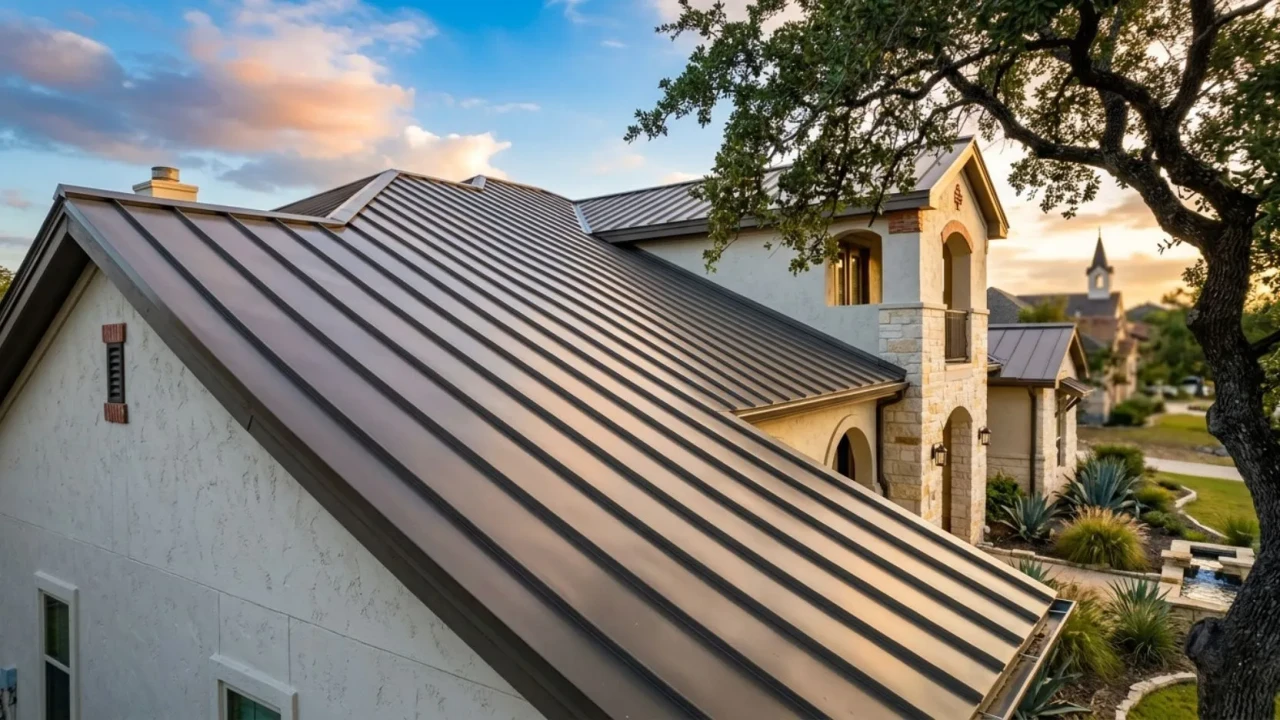
Fewer replacements. You may replace an asphalt roof two or three times during the single lifespan of one metal roof. Each of those replacements carries its own material, labor, and tear-off cost.
Lower cooling bills. A reflective metal roof bounces solar heat away, easing the load on your air conditioning through the long San Antonio cooling season.
A metal roof is expensive because it is built from a costlier raw material, finished with an engineered coating system, installed by a specialized trade, and assembled as a complete weatherproofing system designed to last two to three times longer than shingles. Whether that premium is worth it comes down to how long you plan to own your home. If you are staying long term, a metal roof is often the lower cost per year. If you are selling within a few years, asphalt may make more financial sense.
- Decide how long you plan to own the home, since that drives whether metal pays back
- Choose a target panel type: corrugated for budget, standing seam for lifetime value
- Set a gauge expectation: 24 gauge resists San Antonio hail better than 26 gauge
- Note whether energy savings matter to you so you can ask for a cool-roof finish
- Require an itemized quote: panels, underlayment, trim, fasteners, tear-off, disposal, and labor
- Compare the same metal type and gauge across bids, not metal against metal of a thinner gauge
- Confirm the paint finish: Kynar 500 or PVDF for the longest color life
- Verify high-temperature underlayment is included, not standard felt
- Check that both a material warranty and a separate workmanship warranty are offered in writing
- Be cautious of any quote far below the others, as the savings usually come from the parts you cannot see
- Confirm the contractor is licensed and carries at least $1 million general liability coverage
- Ask about a potential insurance premium discount for an impact-resistant metal roof in Texas
- Keep your itemized invoice and warranty documents on file for resale and claims
- Schedule a roof inspection every few years to protect the long lifespan you paid for
Get a free metal roof quote in San Antonio
Tell us about your home and what you are looking for in a metal roof. We will measure it, walk you through your panel and material options, and give you a clear, itemized written estimate at no cost, so you can see exactly where every dollar goes.