
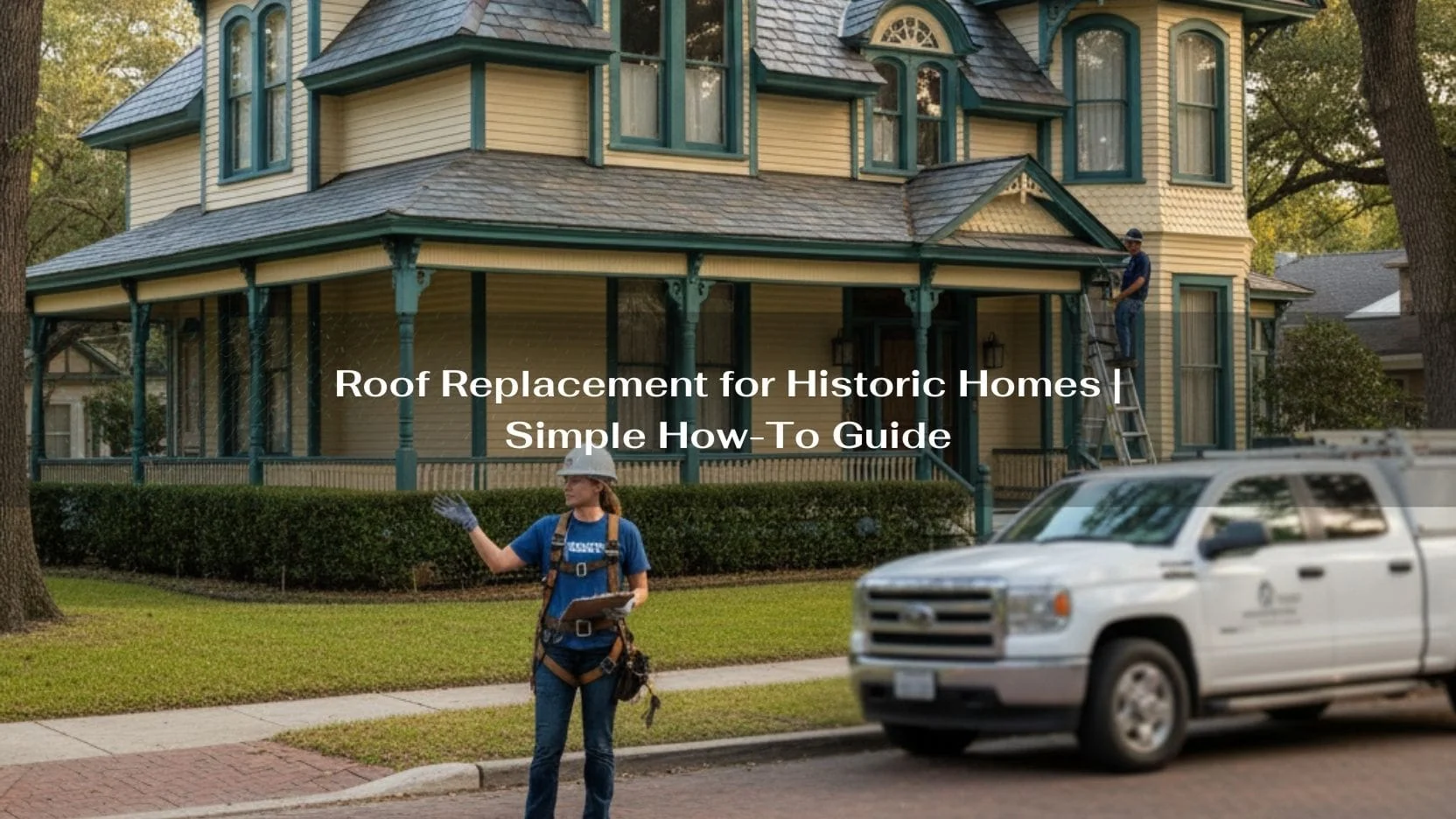
Replacing the roof on a historic home can feel overwhelming. Many homeowners say things like, “I want my roof to be safe, but I don’t want to lose the character of the house.” That’s a real concern. Historic homes were built with materials and methods that aren’t common today. But with the right plan, you can protect your home and keep its charm.
A good roof keeps out leaks, protects old wood, and helps the home last for decades. If the roof is failing, now is the time to look at your options.
Understand the Needs of a Historic Roof
Historic homes often used wood shakes, slate, clay tile, or metal. These materials can last many decades, but only if installed and maintained correctly.
According to industry data from roof lifespan resources, slate roofs can last 50–100 years when cared for, while wood shakes may last around 30 years.
Homeowners often say, “I want something strong, but I don’t want it to look new and out of place.” That’s why it helps to understand what materials were used originally.
Choose the Right Roofing Materials
New materials can be made to look like the originals. Some composite shingles mimic slate or cedar without the heavy weight or maintenance.
You can explore more about wood shake and slate roofing to compare options. These choices help you keep the home’s traditional look.
Many homeowners on historic roofing cost discussions say they want solutions that balance cost and authenticity. Modern alternatives can reduce long-term repairs while preserving style.
Hire the Right Contractor
Historic homes need roofers with special experience. A normal contractor may not know how to protect older framing, chimneys, or trim.
As one expert put it, “A roofer without historic experience can do more harm than good.”
Before hiring someone, read local professional roofer reviews to see if others trusted them with older homes.
Look for:
- Experience with historic houses
- Knowledge of preservation rules
- Ability to match materials
- Proper licensing and insurance
How to Replace a Roof on a Historic Home (Step-by-Step)
Here’s a simple guide to follow:
1. Get a Full Inspection
Have an experienced roofer check the roof structure, decking, and attic. They can tell you what’s original and what needs repairs.
2. Match the Materials
Use materials that fit the style of the home. You can check guides on historic roofing materials to confirm what’s appropriate.
3. Secure Permits
Some historic districts require approval before starting. Your roofer should help with this.
4. Begin the Replacement
The contractor will remove old shingles, repair damage, and install the new roof. Slow, careful work protects the structure.
5. Final Quality Check
Walk through the finished job with your roofer. Ask how to maintain the materials so the roof lasts.
Homeowners often say, “I just want to know the job was done right.” This final step gives peace of mind.
Conclusion
Replacing a roof on a historic home doesn’t have to be stressful. When you choose materials that match the home’s look and hire a roofer with the right experience, you protect both the beauty and the structure.
With a good plan, your historic home can stay strong, safe, and full of character for many years.