
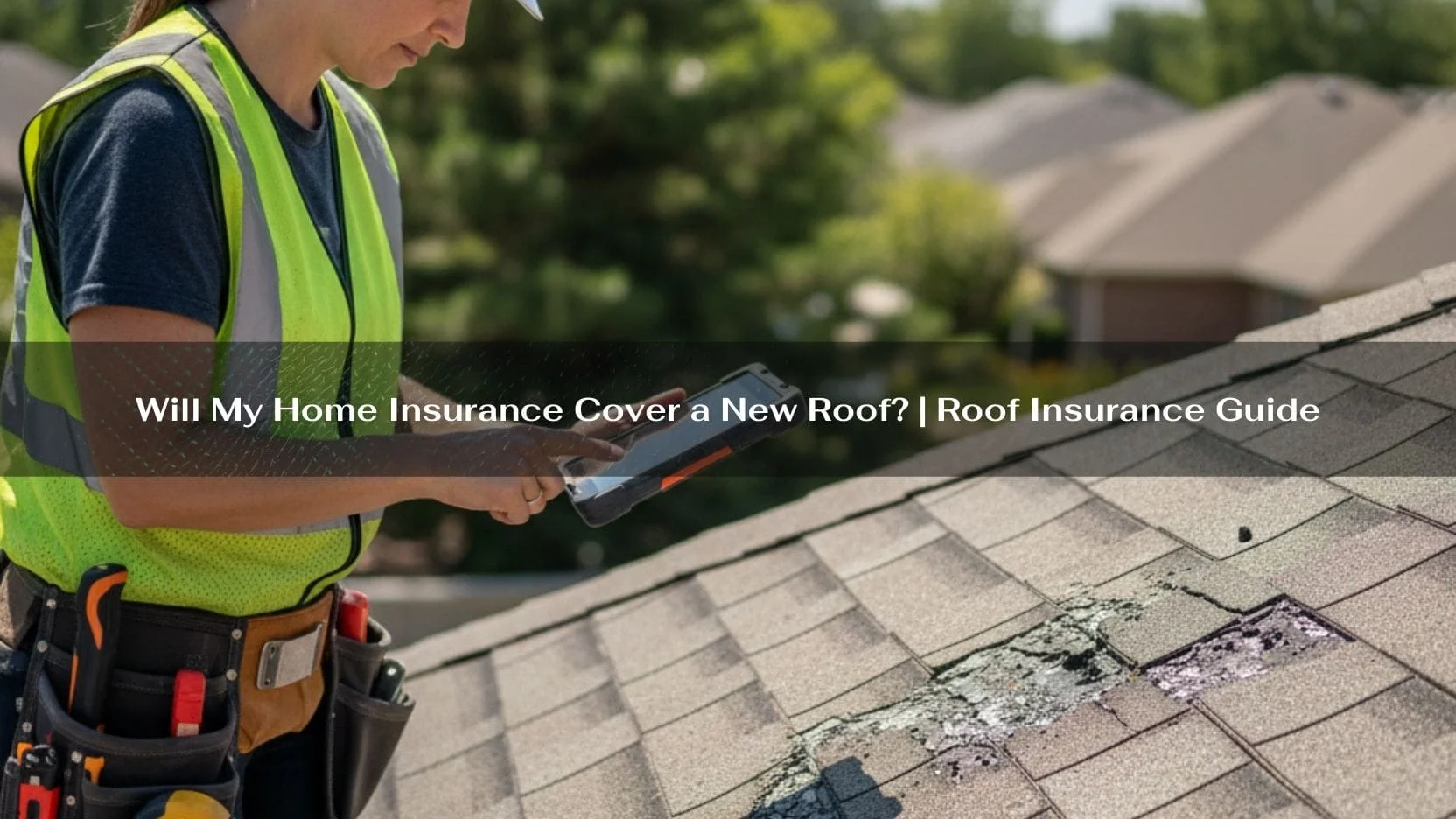
If your roof was damaged by a storm, you’re probably asking one big question: Will my home insurance cover a new roof? It’s a fair question. A new roof can cost thousands of dollars, and most homeowners don’t plan for that expense.
As one homeowner put it, “The storm was over, but the stress was just starting. I didn’t know if insurance would help or if I was on my own.” Understanding how roof insurance coverage works can save you time, money, and frustration.
This guide explains when home insurance covers a new roof, when it doesn’t, and how to file a claim the right way.
When Home Insurance Usually Covers a New Roof
Home insurance typically covers roof damage caused by sudden and accidental events. These are often called covered perils.
Common covered situations include:
- Hailstorms
- High winds
- Falling trees or branches
- Fire or lightning damage
A roofing contractor once explained it simply: “If something unexpected damages your roof overnight, insurance usually steps in.” According to Angi roofing insurance claims guidance, storm-related roof damage is one of the most common home insurance claims.
The key factor is cause of damage, not just the damage itself.
When Insurance Will Not Pay for a New Roof
Insurance does not cover everything. Many roof claims are denied because the damage happened over time.
Insurance usually will not pay if the roof damage is caused by:
- Normal wear and tear
- Old age
- Poor maintenance
- Existing leaks before the policy started
One homeowner shared, “I thought my insurance would help, but they said my roof was just worn out.” The Wikipedia homeowners insurance overview explains that insurance is designed for sudden events, not routine maintenance or aging materials.
If your roof is already near the end of its life, coverage may be limited or denied.
Replacement Cost vs Actual Cash Value (ACV)
This part confuses many homeowners. Insurance policies usually pay one of two ways.
Replacement Cost Value (RCV):
- Pays to replace the roof at today’s prices
- You may receive full coverage after repairs are completed
Actual Cash Value (ACV):
- Pays the roof’s value after depreciation
- Older roofs receive lower payouts
For example, if your roof is 15 years old, an ACV policy may only cover part of the cost. According to HomeAdvisor roof insurance coverage, many insurers now use ACV for older roofs to reduce claim costs.
How to File a Roof Insurance Claim the Right Way
Filing a claim properly can make a big difference.
Follow these steps:
- Take clear photos and videos of the damage
- Prevent further damage with temporary repairs
- Contact your insurance company quickly
- Schedule the adjuster inspection
- Get a written estimate from a licensed roofer
A claims adjuster once said, “Clear photos and fast action help us process claims faster.” Real homeowner stories in Reddit roof insurance claim discussions show that delayed claims are more likely to be denied.
How to Improve Your Chances of Claim Approval
There are smart ways to protect yourself before and after damage occurs.
Helpful tips:
- Schedule regular roof inspections
- Keep records of repairs and maintenance
- Work with licensed and insured roofing contractors
- Avoid signing contracts before the adjuster visit
A roofer shared on Quora home insurance roof replacement answers, “Homeowners who document everything usually have smoother claims.” Being organized shows insurers the damage was sudden and real.
Conclusion: Will My Home Insurance Cover a New Roof?
The short answer is: sometimes. Home insurance usually covers a new roof if the damage is caused by a sudden event like hail, wind, or falling debris. It does not cover old, worn-out roofs or damage caused by long-term neglect.
Knowing your policy type, acting fast, and documenting damage can greatly improve your chances of approval. When in doubt, review your policy and speak with a trusted roofing professional.