
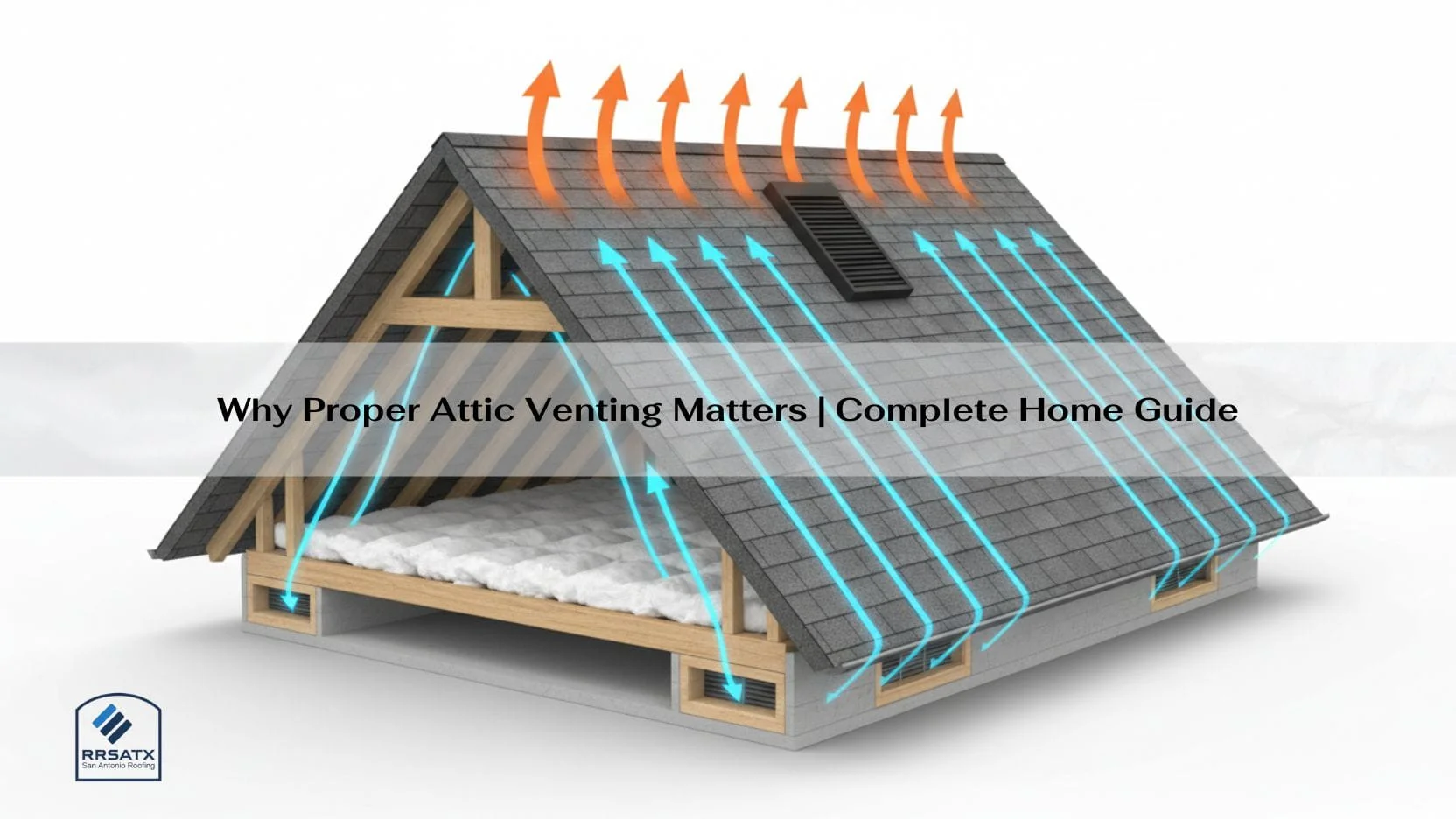
Attic Venting Matters because it directly affects roof performance, energy efficiency, indoor comfort, and long-term structural durability. Proper attic venting controls heat and moisture buildup, protects roofing materials, and helps maintain stable indoor conditions year-round.
This guide explains the attic ventilation importance, how roof and attic ventilation systems work, common attic ventilation problems, and best practices for improvement. It is designed as a foundational reference for homeowners, property managers, and building professionals.
What Is Attic Ventilation?
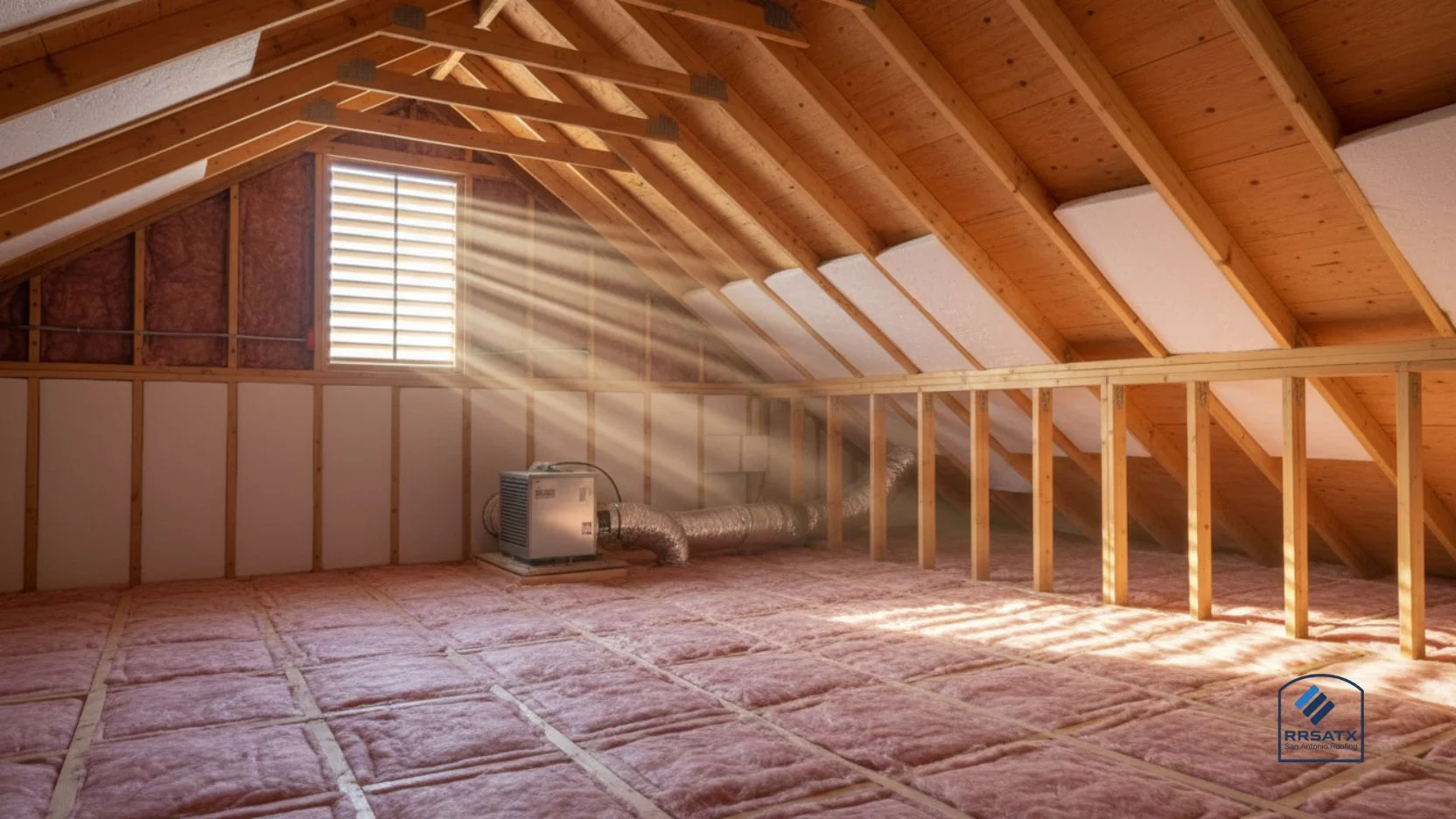
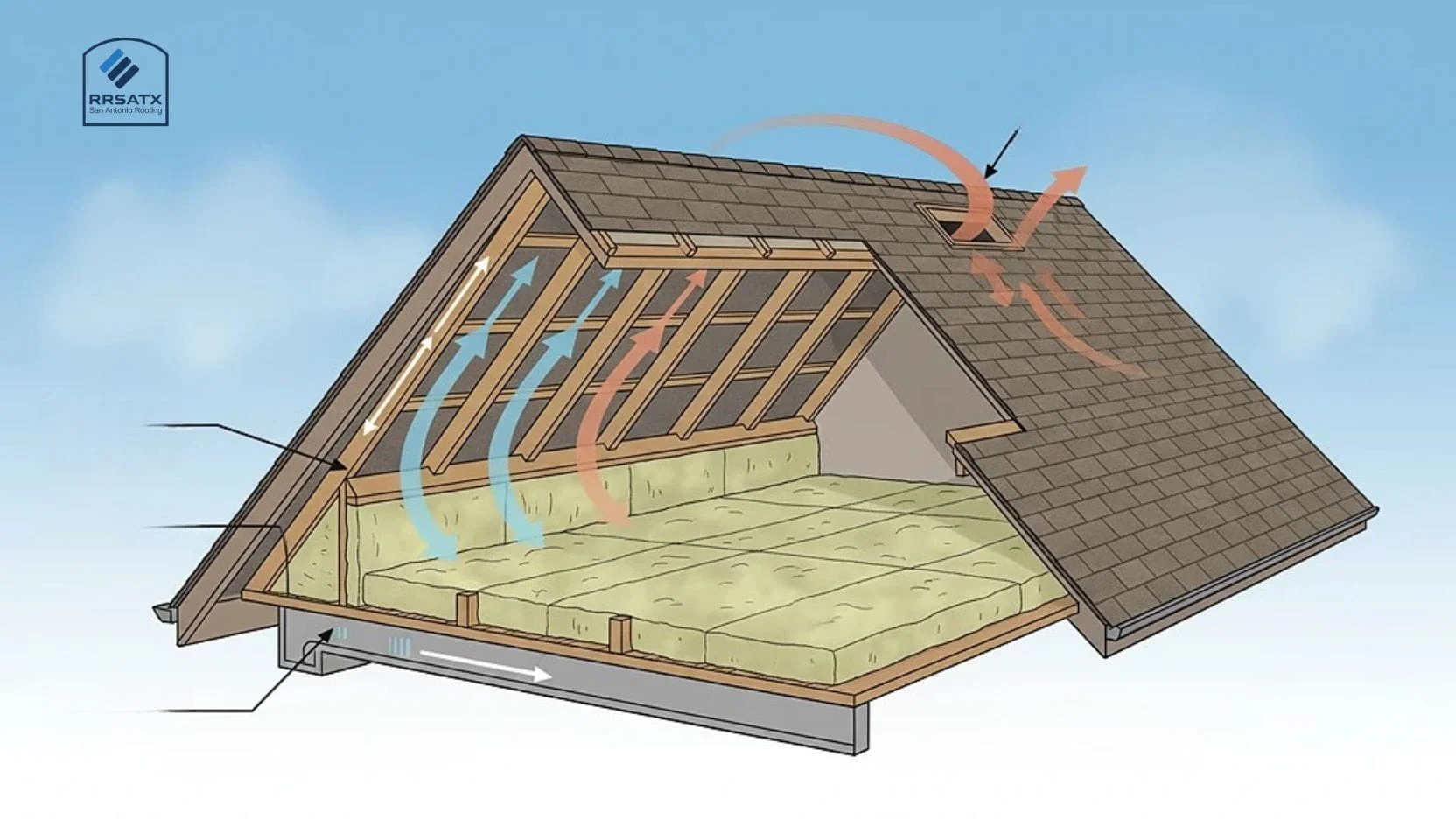
Attic ventilation is the controlled movement of outside air through the attic space. It typically enters at the eaves or soffits and exits near the roof peak.
The goal is simple:
- Remove excess heat
- Remove excess moisture
- Keep attic temperatures closer to outdoor conditions
This airflow protects the roof structure, insulation, and interior spaces.
Why Attic Venting Matters
1. Heat Control
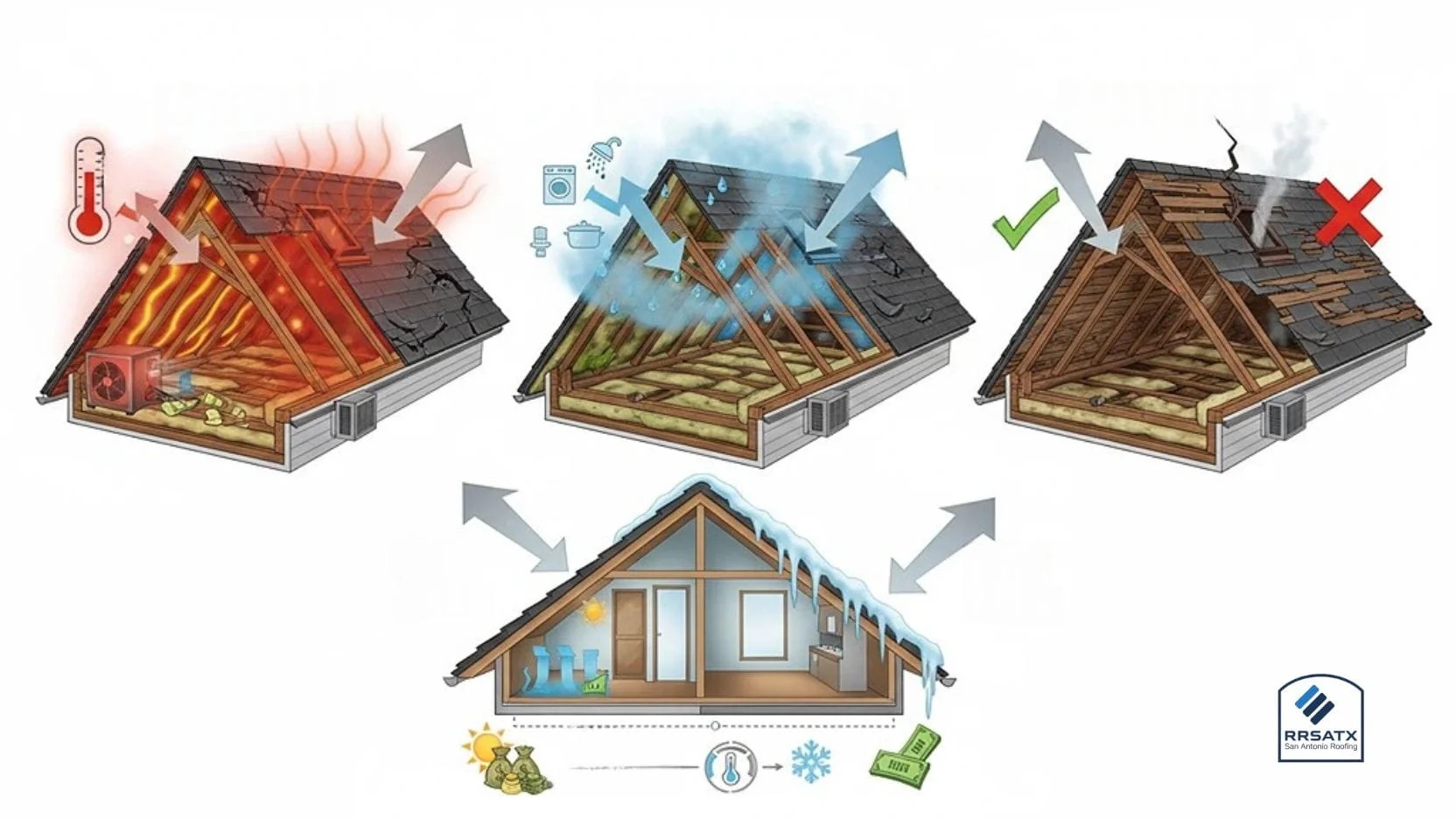
In warm conditions, attics can reach 130°F–160°F (54°C–71°C) without proper ventilation. This trapped heat:
- Increases indoor cooling demand
- Raises energy costs
- Accelerates shingle aging
Proper attic venting allows hot air to escape, reducing heat load on the home.
2. Moisture Management
Moisture enters attics from daily activities like:
- Cooking
- Showering
- Laundry
- Breathing
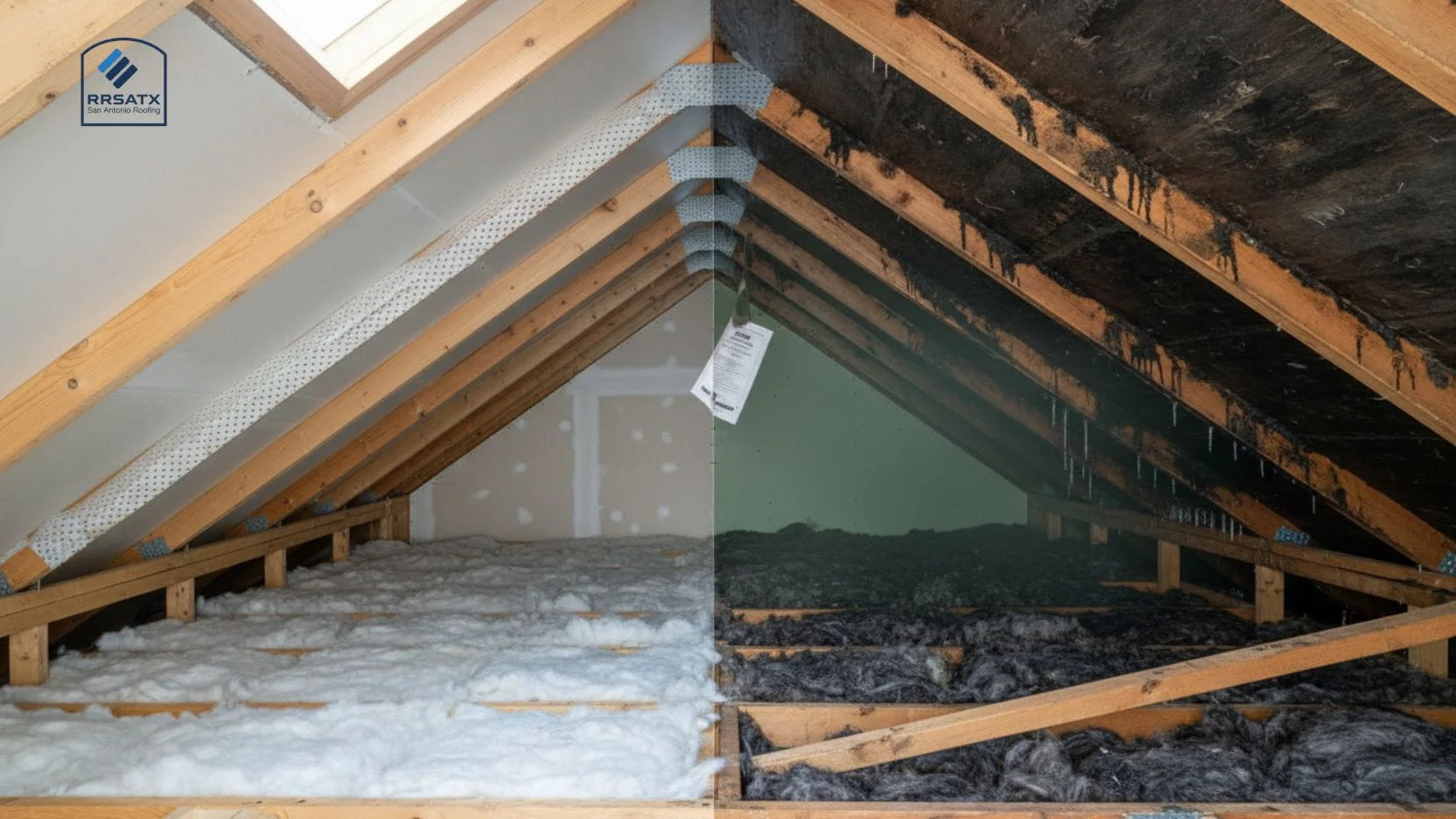
Without ventilation, moisture can condense on framing and insulation, leading to:
- Mold growth
- Wood rot
- Reduced insulation performance
This is a major reason attic ventilation importance is emphasized in building science.
3. Roof Longevity
Excess heat and moisture shorten the life of roofing materials. Over time, poor attic ventilation can cause:
- Shingle curling or cracking
- Premature roof failure
- Decking deterioration
Proper attic venting protects the roof system from avoidable stress.
4. Energy Efficiency
A well-ventilated attic helps:
- Lower cooling costs in summer
- Reduce ice dam risk in winter
- Maintain consistent indoor temperatures
This makes attic ventilation a critical part of whole-home energy performance.
How Attic Ventilation Works
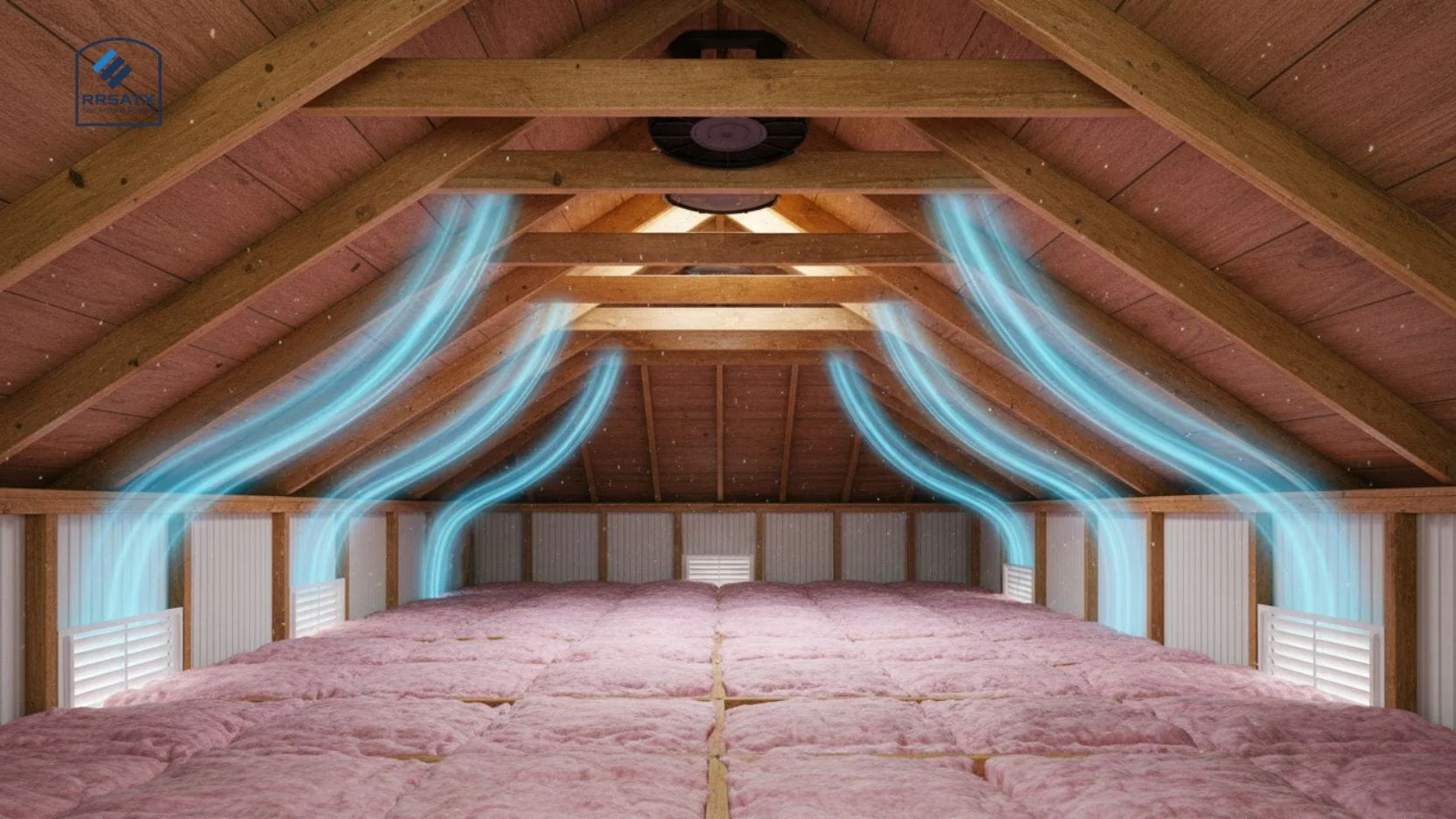
Most systems rely on passive airflow using natural pressure differences.
Intake Vents
Located low on the roof, usually at:
- Soffits
- Eaves
- Fascia areas
They allow cool outside air to enter the attic.
Exhaust Vents
Located high on the roof, such as:
- Ridge vents
- Roof vents
- Gable vents
They allow warm, moist air to escape.
Balanced Airflow
For attic venting to work correctly:
- Intake and exhaust must be balanced
- Air must move freely between them
- Insulation must not block vent paths
This balance is a core principle of proper attic venting.
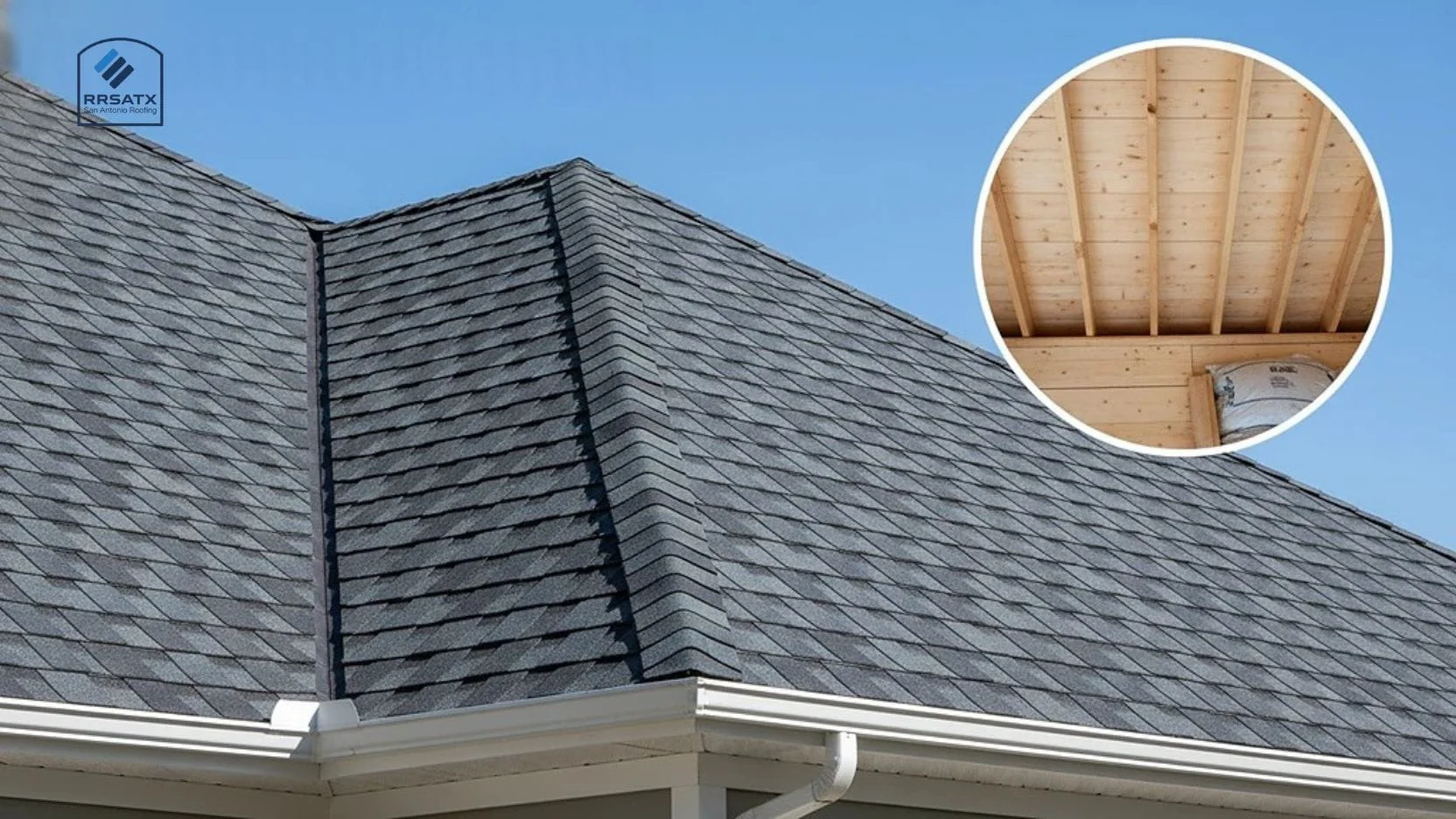
Benefits of Attic Ventilation
The benefits of attic ventilation extend beyond comfort.
Structural Protection
- Prevents moisture damage
- Reduces wood decay risk
- Protects roof decking
Improved Indoor Comfort
- Less heat transfer into living spaces
- More stable indoor temperatures
- Reduced humidity-related discomfort
Lower Maintenance Costs
- Fewer mold remediation issues
- Reduced roof repairs
- Less insulation replacement
Extended Roof Life
- Slower shingle degradation
- Fewer thermal stress cracks
- Better overall roof performance
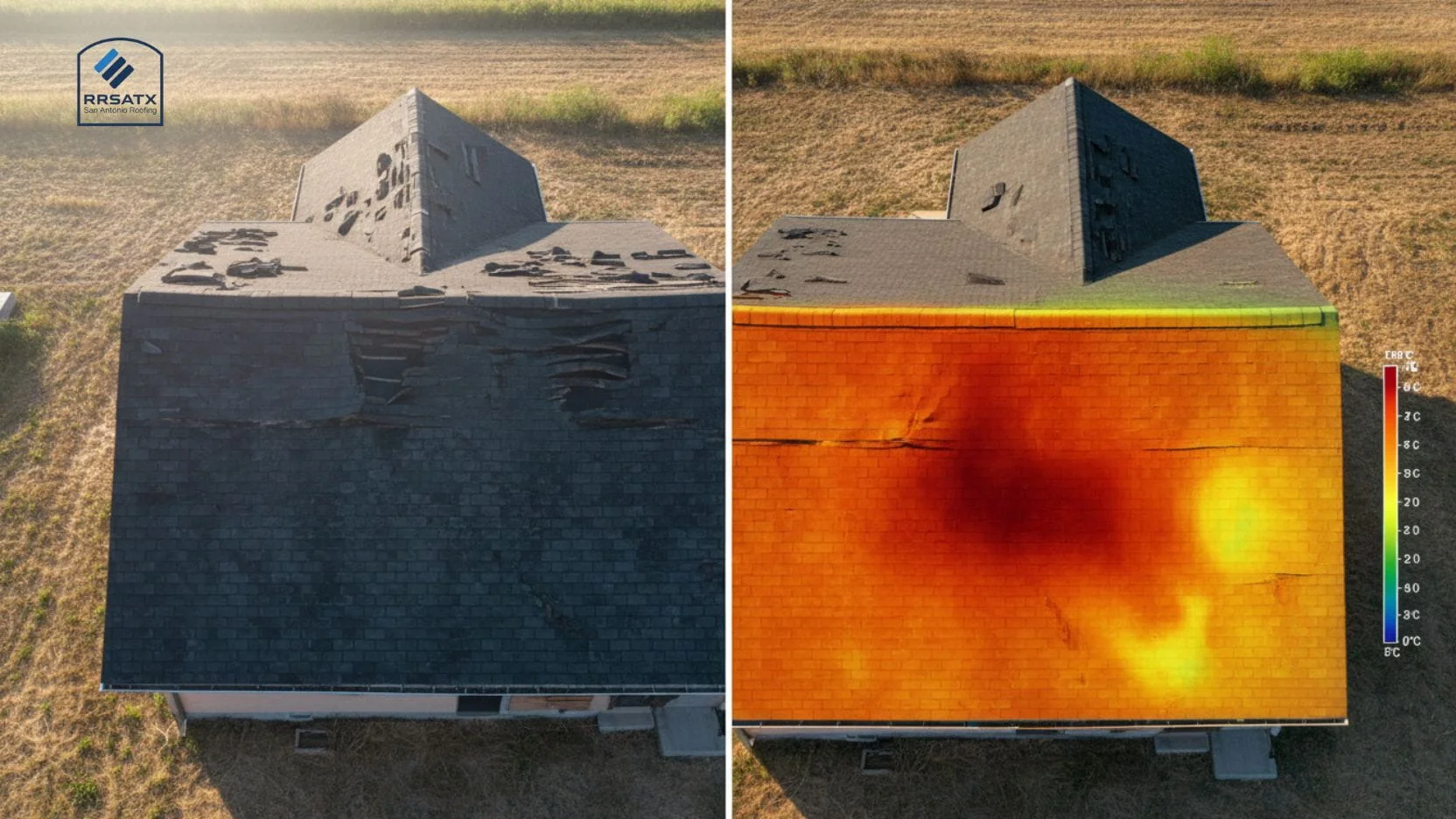
Signs of Poor Attic Ventilation
Many attic ventilation problems are not visible from inside the home. Common signs include:
- Hot ceilings or upper floors
- Ice dams forming in winter
- Mold or mildew in the attic
- Rust on nails or metal components
- Musty odors
- Uneven roof aging
These are strong indicators that attic venting matters in your home.
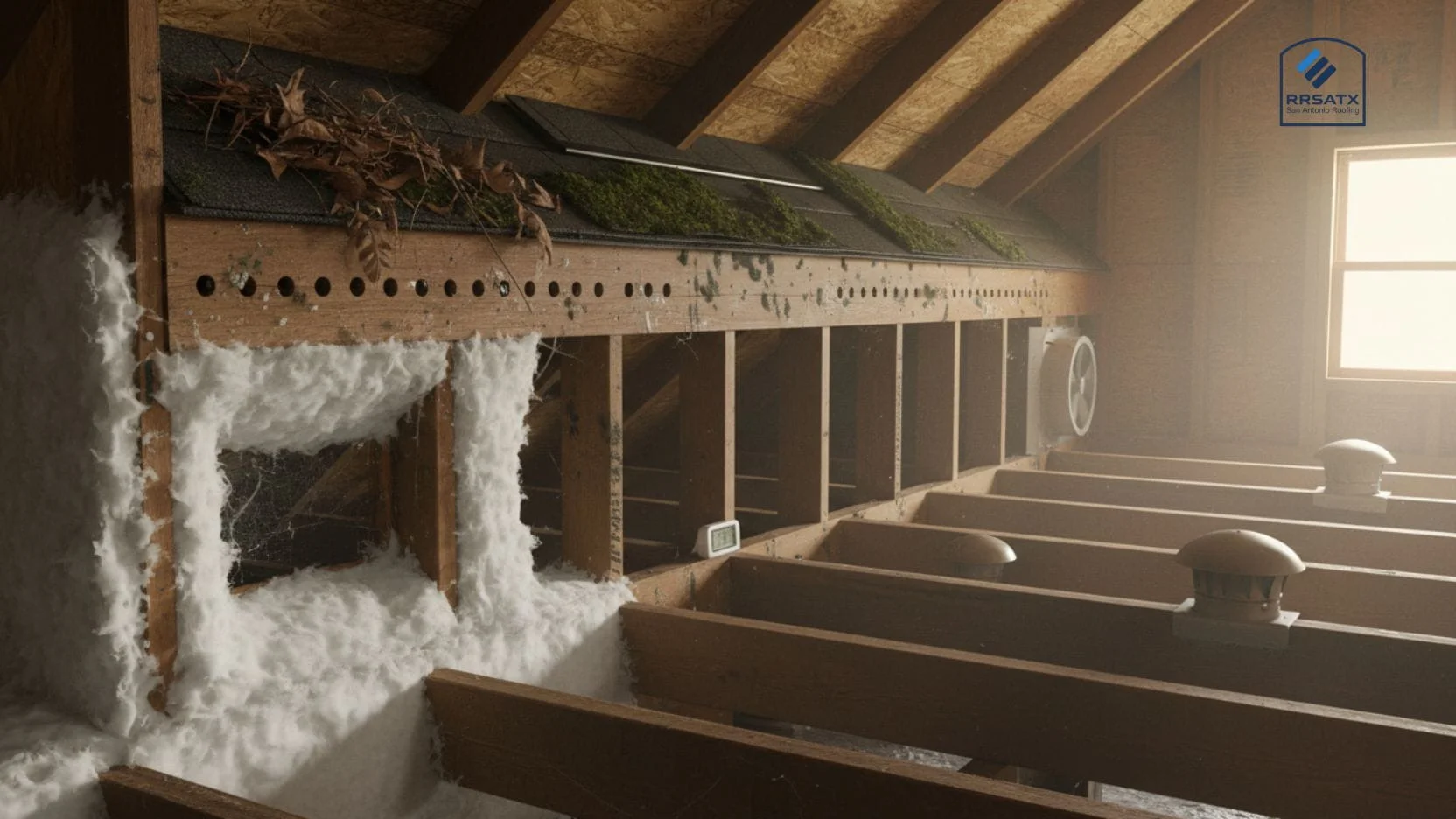
Common Attic Ventilation Problems
Blocked Intake Vents
- Insulation covering soffit vents
- Debris or paint blocking openings
This prevents fresh air from entering.
Insufficient Exhaust Venting
- Too few roof vents
- Incorrect vent placement
- Obstructed ridge vents
This traps hot, moist air in the attic.
Unbalanced Systems
- Too much exhaust, not enough intake
- Too much intake, not enough exhaust
Both reduce system effectiveness.
Mixed Vent Types
Using incompatible vent types together (e.g., ridge vents with powered fans) can disrupt airflow patterns.
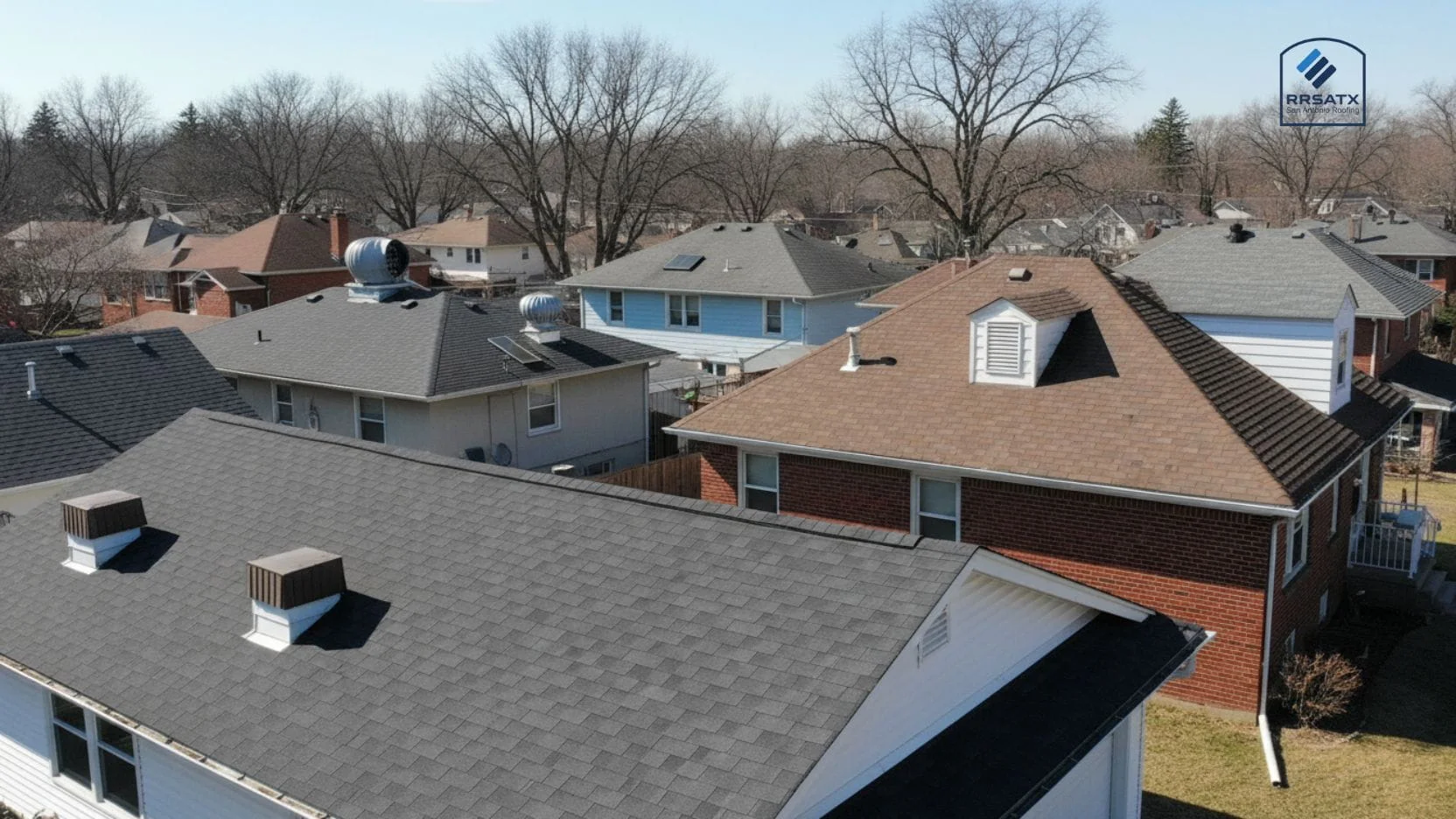
Types of Attic Vents
Understanding the types of attic vents helps in selecting the best attic ventilation solutions.
Soffit Vents (Intake)
- Continuous or individual panels
- Installed under roof eaves
- Primary source of incoming air
Ridge Vents (Exhaust)
- Installed along roof peak
- Provide continuous exhaust
- Low-profile and weather-protected
Roof Vents (Box or Turtle Vents)
- Static exhaust vents
- Installed near roof ridge
- Common on many homes
Gable Vents
- Installed on gable walls
- Provide cross-ventilation
- Less effective for complex roof designs
Turbine Vents
- Wind-powered exhaust
- Increase airflow when wind is present
- Performance varies by climate
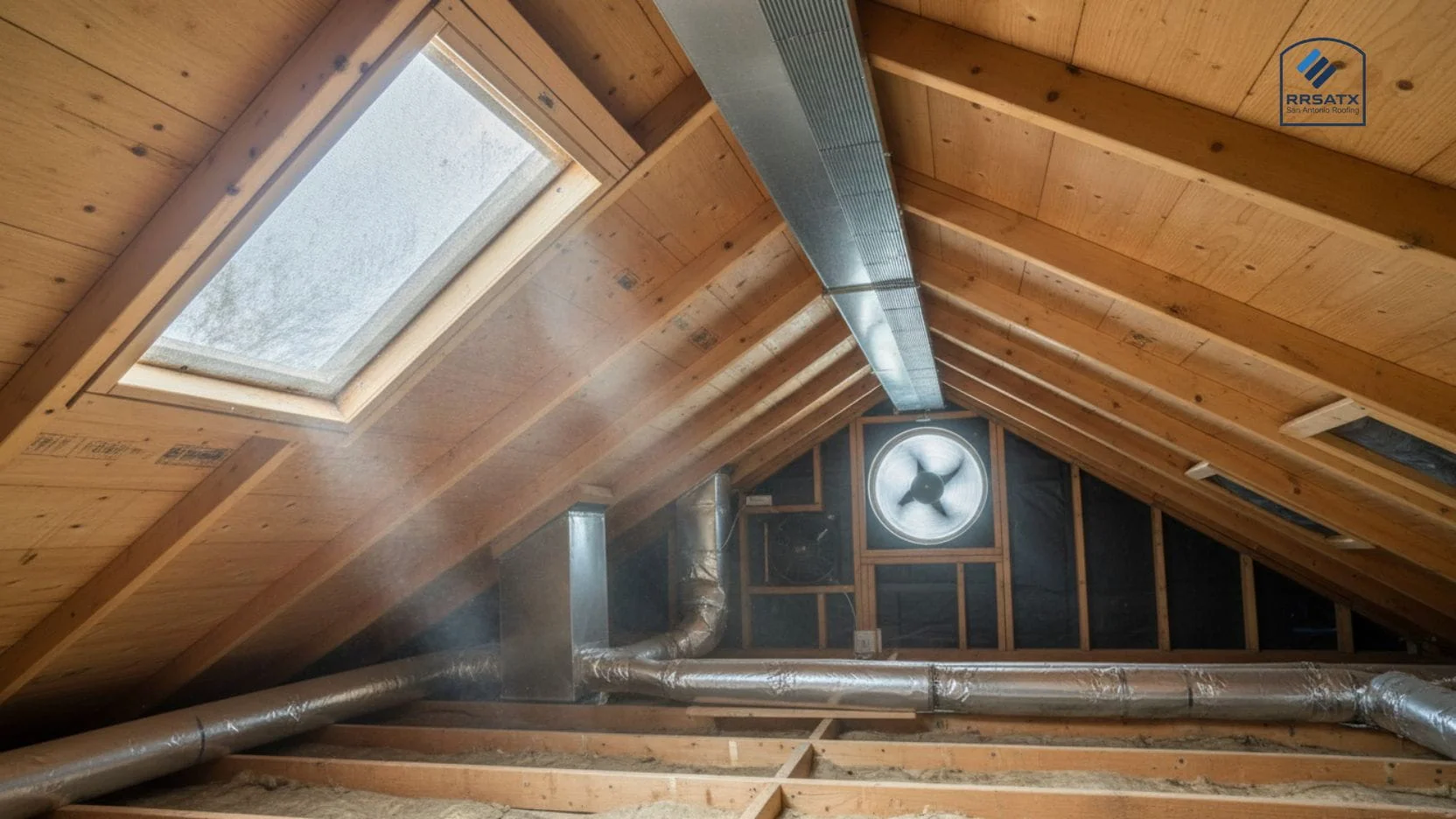
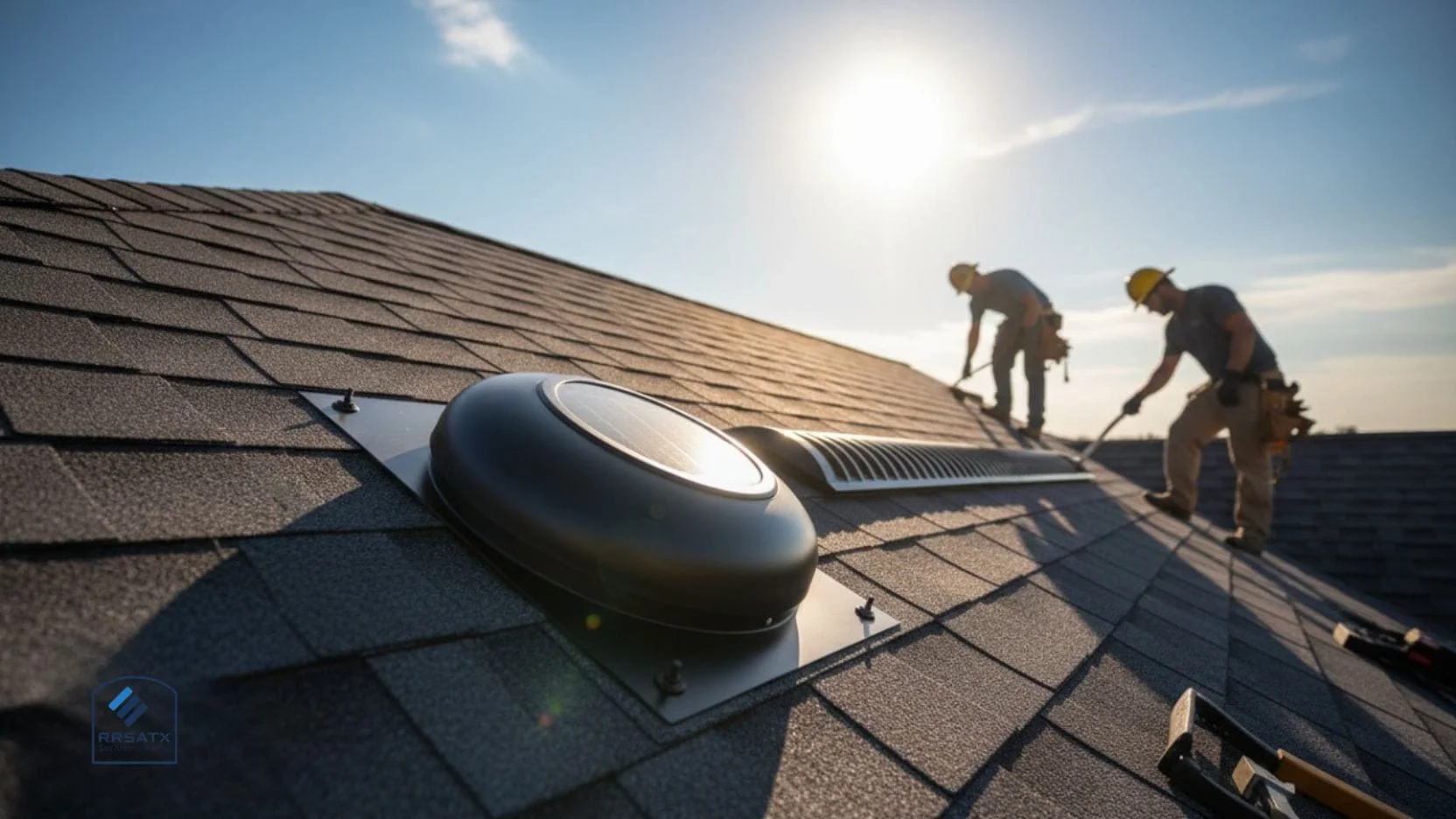
Powered Attic Fans
- Electric or solar powered
- Actively pull air out
- Must be carefully balanced to avoid pulling conditioned air from the home
Attic Ventilation Requirements
Building codes vary by region, but general attic ventilation requirements include:
- Minimum vent area based on attic square footage
- Balanced intake and exhaust ratios
- Proper placement for airflow paths
A common guideline is 1 square foot of ventilation per 150 square feet of attic space, adjusted when vapor barriers or enhanced airflow designs are used.
Always follow local building codes and manufacturer specifications.
How to Improve Attic Ventilation
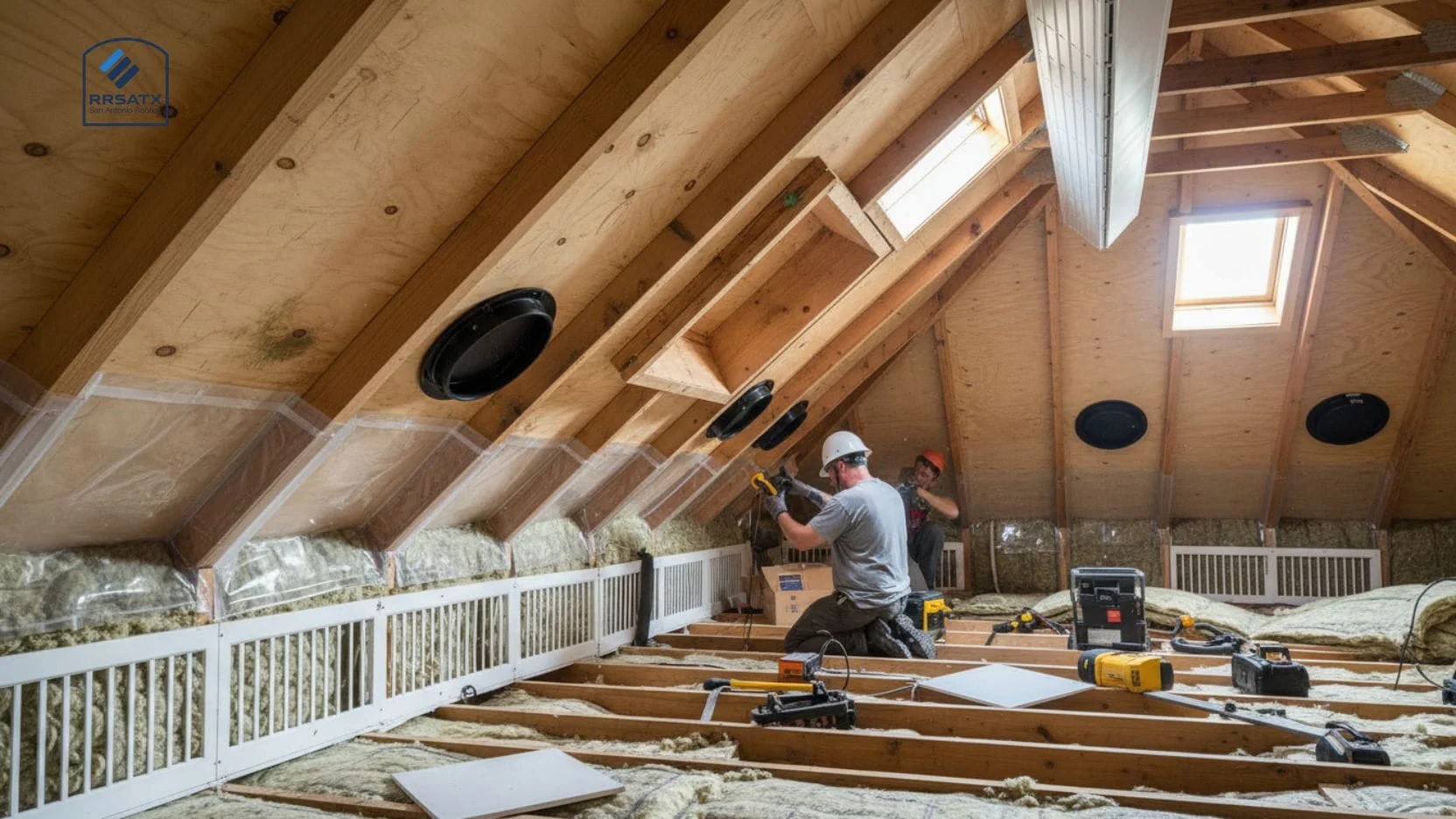
Improving attic ventilation should follow a structured approach.
Step 1: Assess Existing Ventilation
- Count intake and exhaust vents
- Check for blockages
- Look for moisture or heat damage
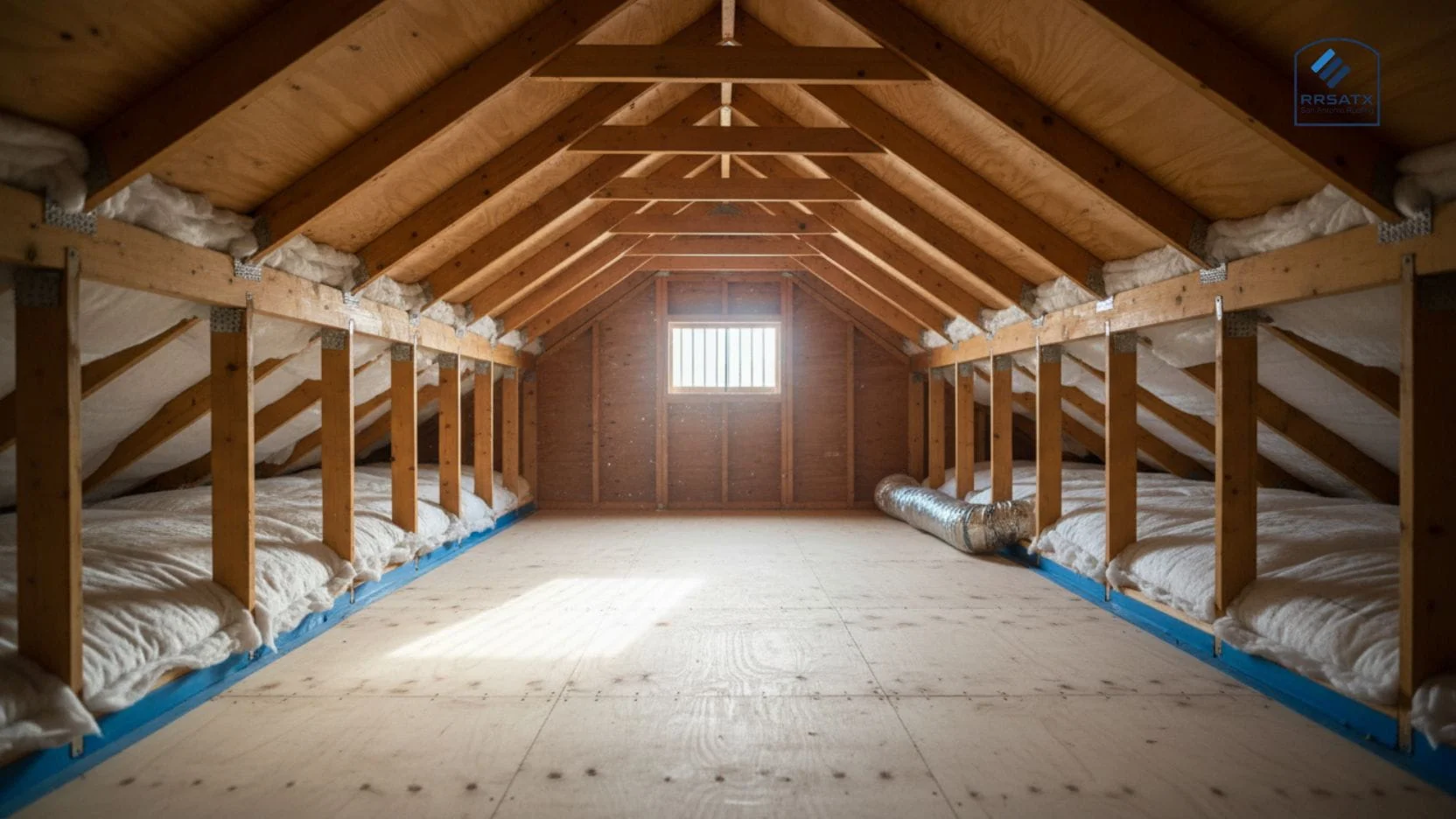
Step 2: Ensure Clear Air Paths
- Install baffles where needed
- Keep insulation from blocking soffits
- Clear debris from vents
Step 3: Balance Intake and Exhaust
- Add soffit vents if intake is low
- Add ridge or roof vents if exhaust is insufficient
Step 4: Choose Appropriate Vent Types
- Match vent types to roof design
- Avoid mixing incompatible systems
- Consider climate and roof slope
Step 5: Verify After Installation
- Check airflow paths
- Monitor temperature and humidity changes
- Inspect after seasonal shifts
Roof and Attic Ventilation: How They Work Together
Roof and attic ventilation are not separate systems. They function as one integrated airflow design.
- The roof structure guides air movement
- The attic space acts as the buffer zone
- The vents control entry and exit points
A problem in one area affects the entire system.

Common Misconceptions About Attic Venting
More vents always mean better ventilation
Incorrect. Too many vents without balance can reduce airflow efficiency.
Attic ventilation is only for hot climates
False. Cold climates rely on ventilation to prevent ice dams and moisture buildup.
Insulation replaces the need for ventilation
Insulation and ventilation serve different purposes. Both are required.
Powered fans are always the best solution
Not necessarily. Passive systems often perform better when properly designed.
Real-World Use Cases
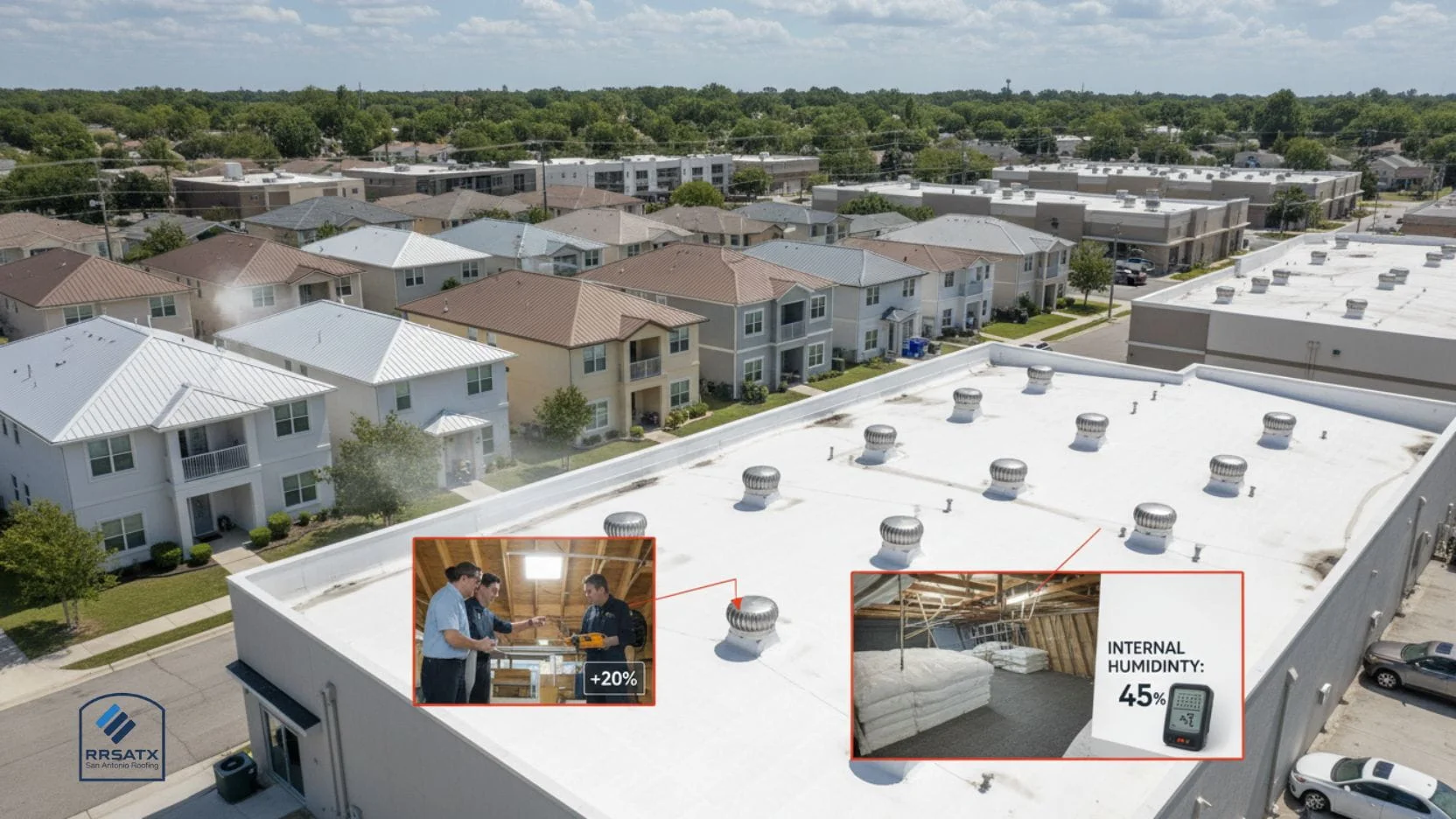
Residential Homes
- Reducing summer heat buildup
- Preventing winter moisture issues
- Improving HVAC efficiency
Multi-Family Buildings
- Managing shared attic spaces
- Preventing widespread mold issues
- Reducing maintenance costs
Commercial Properties
- Protecting large roof structures
- Controlling internal humidity
- Preserving insulation performance
How Attic Venting Supports Building Durability
When attic venting matters, it shows in long-term building performance.
Proper ventilation helps:
- Preserve framing integrity
- Maintain insulation R-values
- Prevent hidden moisture damage
- Support roof system warranties
This is why attic ventilation importance is emphasized in construction standards and inspections.
Key Takeaways
- Attic Venting Matters for heat control, moisture management, and roof durability
- Proper attic venting requires balanced intake and exhaust
- Signs of poor attic ventilation should be addressed early
- Vent types must match roof design and climate
- Best attic ventilation solutions are planned, not improvised
Frequently Asked Questions
How do I know if my attic has enough ventilation?
Look for balanced intake and exhaust, clear airflow paths, and absence of moisture or heat damage. An inspection can confirm.
Can poor attic ventilation cause mold?
Yes. Trapped moisture creates ideal conditions for mold growth.
Does attic ventilation lower energy bills?
Indirectly, yes. It reduces heat load on cooling systems and prevents insulation performance loss.
Is attic ventilation required by code?
In most regions, yes. Specific attic ventilation requirements depend on local building codes.
Can I improve attic ventilation myself?
Basic tasks like clearing blocked vents are possible. Structural changes should be handled by qualified professionals.
Final Perspective
Attic ventilation is not an optional feature. It is a core building system that protects the roof, supports energy efficiency, and preserves indoor comfort. Understanding why proper attic venting matters allows homeowners and property professionals to make informed decisions that prevent long-term damage and unnecessary costs.
When designed and maintained correctly, attic ventilation quietly does its job protecting the home without drawing attention to itself.