
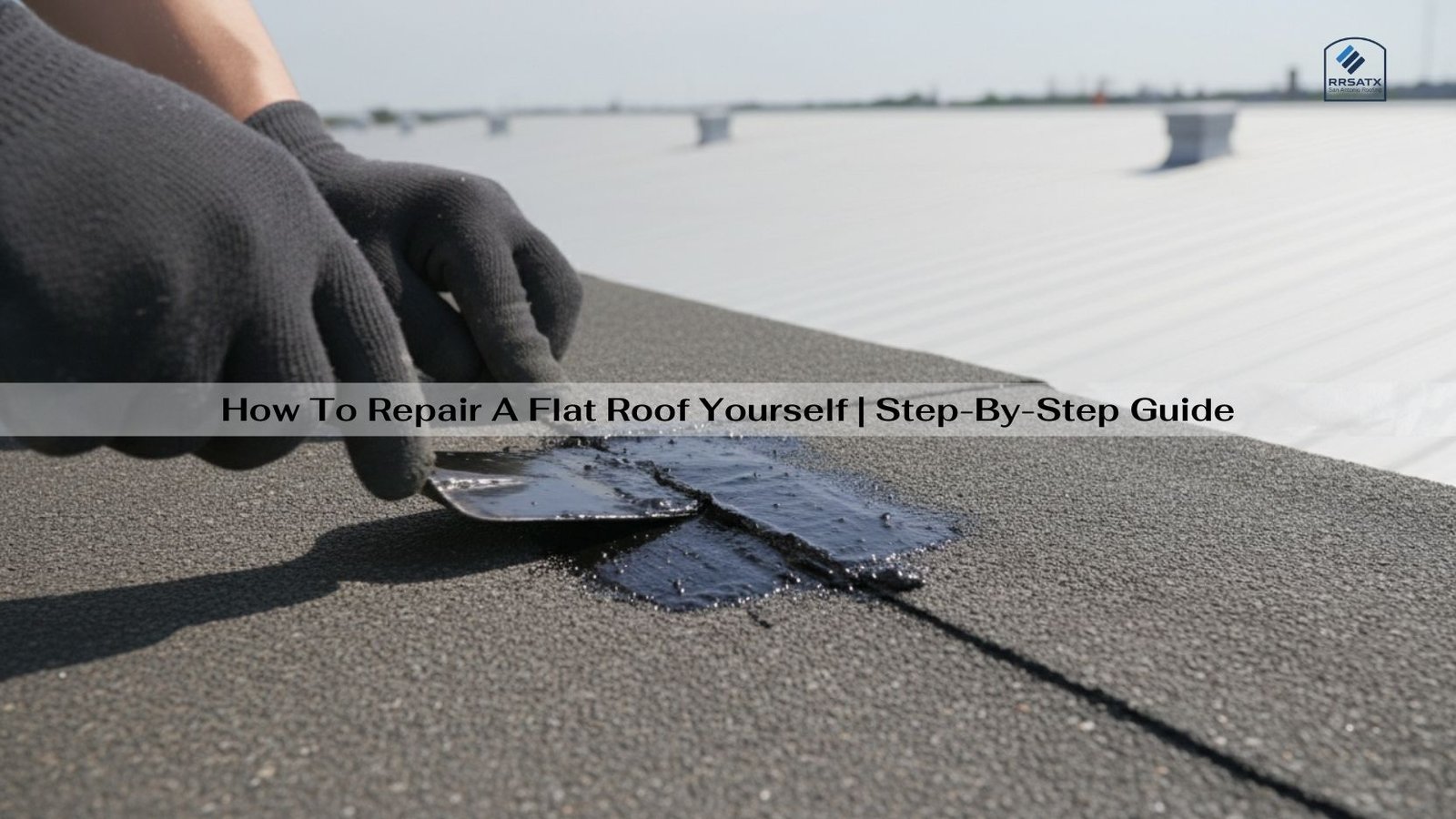
Flat roofs are common on commercial buildings, modern homes, and extensions. While they are visually sleek, flat roofs are prone to leaks, ponding water, and material deterioration. Learning how to repair a flat roof yourself can save money, extend your roof’s lifespan, and prevent costly water damage. This guide provides a professional, step-by-step approach, covering safety, materials, and common repairs to help you confidently tackle minor flat roof issues.
Understanding Flat Roofs
Flat roofs are not truly flat; they have a slight slope (typically 1–2%) to allow water drainage. Popular materials include:
- Modified Bitumen – durable, flexible, ideal for DIY patching
- EPDM Rubber – long-lasting, easy to patch small tears
- TPO (Thermoplastic Polyolefin) – lightweight, reflective, resistant to UV
- PVC Roofing – strong and heat-resistant but requires professional welding for large repairs
Knowing your roofing material is critical before attempting repairs to ensure compatibility and durability.
Common Flat Roof Problems
Flat roofs often encounter the following issues:
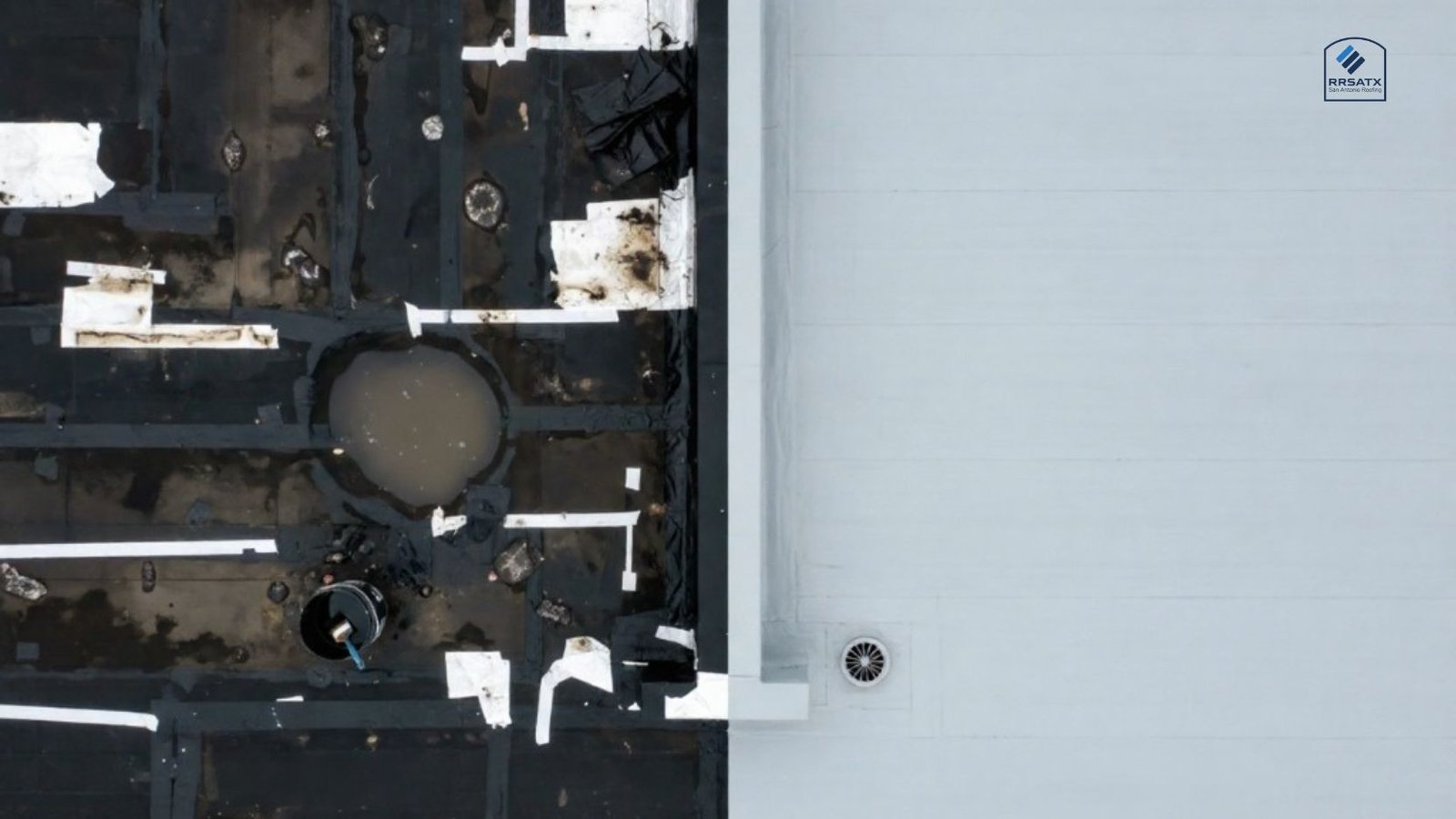
- Ponding Water – water accumulation causing leaks and structural strain
- Cracks and Blisters – caused by weathering, UV exposure, or aging
- Punctures or Tears – from foot traffic, debris, or fallen objects
- Leaky Flashing or Seals – around drains, vents, and parapet walls
- Membrane Shrinkage – leading to gaps and potential leaks
Identifying the exact problem ensures a targeted repair approach, saving time and money.
Essential Tools And Materials
Before starting, gather these items:
Tools:
- Ladder or scaffolding
- Utility knife or roofing scissors
- Trowel or putty knife
- Wire brush or broom
- Caulking gun
Materials:
- Roofing patch kit or EPDM/TPO patches
- Roof sealant or bitumen mastic
- Primer (if required)
- Roofing tape or membrane adhesive
- Safety gloves and non-slip shoes
Step-By-Step Guide: How To Repair A Flat Roof Yourself
1. Inspect The Roof
- Check for leaks, cracks, blisters, or punctures
- Look for signs of water pooling and drainage issues
- Mark damaged areas for repair
Tip: Inspect the roof after heavy rain to identify active leaks.
2. Clean The Area
- Remove debris, dirt, and loose granules
- Dry the surface completely
- Use a wire brush for stubborn dirt or old sealant
Clean surfaces ensure strong adhesion for patching materials.
3. Patch Small Leaks
- Cut a patch slightly larger than the damaged area
- Apply roofing adhesive or sealant underneath the patch
- Press firmly and smooth edges with a trowel
- Allow to cure per manufacturer instructions
Small leaks can often be fixed in under an hour with proper materials.
4. Repair Cracks And Blisters
- Cut open blisters to remove trapped moisture
- Apply primer if required
- Fill cracks with roof mastic or patch strips
- Smooth with a trowel and let dry
Addressing blisters prevents water from seeping underneath the membrane.
5. Apply Roof Sealant
- Seal all patched areas and seams for added protection
- Use a roller or trowel for even coverage
- For large areas, consider liquid-applied membrane coatings
- Ensure proper curing time before walking on the roof
Sealant acts as a waterproof barrier and extends patch longevity.
6. Test And Maintain
- Inspect after the next rainfall or hose test
- Check for new leaks or weak spots
- Maintain gutters and roof drains to prevent ponding
- Repeat inspections every 6–12 months
Regular maintenance prevents small issues from becoming major repairs.
DIY VS. Professional Repairs
DIY Repairs:
- Cost-effective for minor leaks and small patching
- Ideal for accessible, low-slope roofs
- Limited warranty and risk if mistakes occur
Professional Repairs:
- Best for extensive damage, large membranes, or safety concerns
- Guarantees work quality and often provides a warranty
- More expensive but reduces risk of future leaks
Safety Note: Flat roofs may appear safe, but working at height carries risk. Always use harnesses and follow local safety regulations.
Tips To Extend Your Flat Roof’s Lifespan
- Keep drains and gutters clear of debris
- Inspect and patch minor cracks promptly
- Apply reflective coatings to reduce UV damage
- Avoid unnecessary foot traffic
- Schedule professional inspections every 2–3 years
Preventive care is more cost-effective than reactive repairs.
FAQ
Q: Can I Repair A Flat Roof In Winter?
A: Some adhesives and sealants require temperatures above 50°F (10°C). Cold weather may prevent proper curing.
Q: How Long Does A DIY Patch Last?
A: Small patches can last 3–7 years, depending on material quality and maintenance.
Q: What If I Have Multiple Leaks?
A: Multiple leaks may indicate overall roof deterioration; professional replacement may be more cost-effective.
Q: Are Flat Roofs More Prone To Leaks Than Pitched Roofs?
A: Yes, due to slower drainage, but proper materials and maintenance reduce risk.
Conclusion
Knowing how to repair a flat roof yourself empowers homeowners to prevent leaks, save money, and maintain the roof’s structural integrity. By following safety guidelines, using the right materials, and performing regular inspections, minor issues can be effectively managed. While DIY repairs are suitable for small leaks, professional intervention is recommended for extensive damage or difficult-to-access roofs.
Proactive maintenance and timely repairs not only protect your property but also extend the lifespan of your flat roof, ensuring peace of mind and long-term cost savings.