
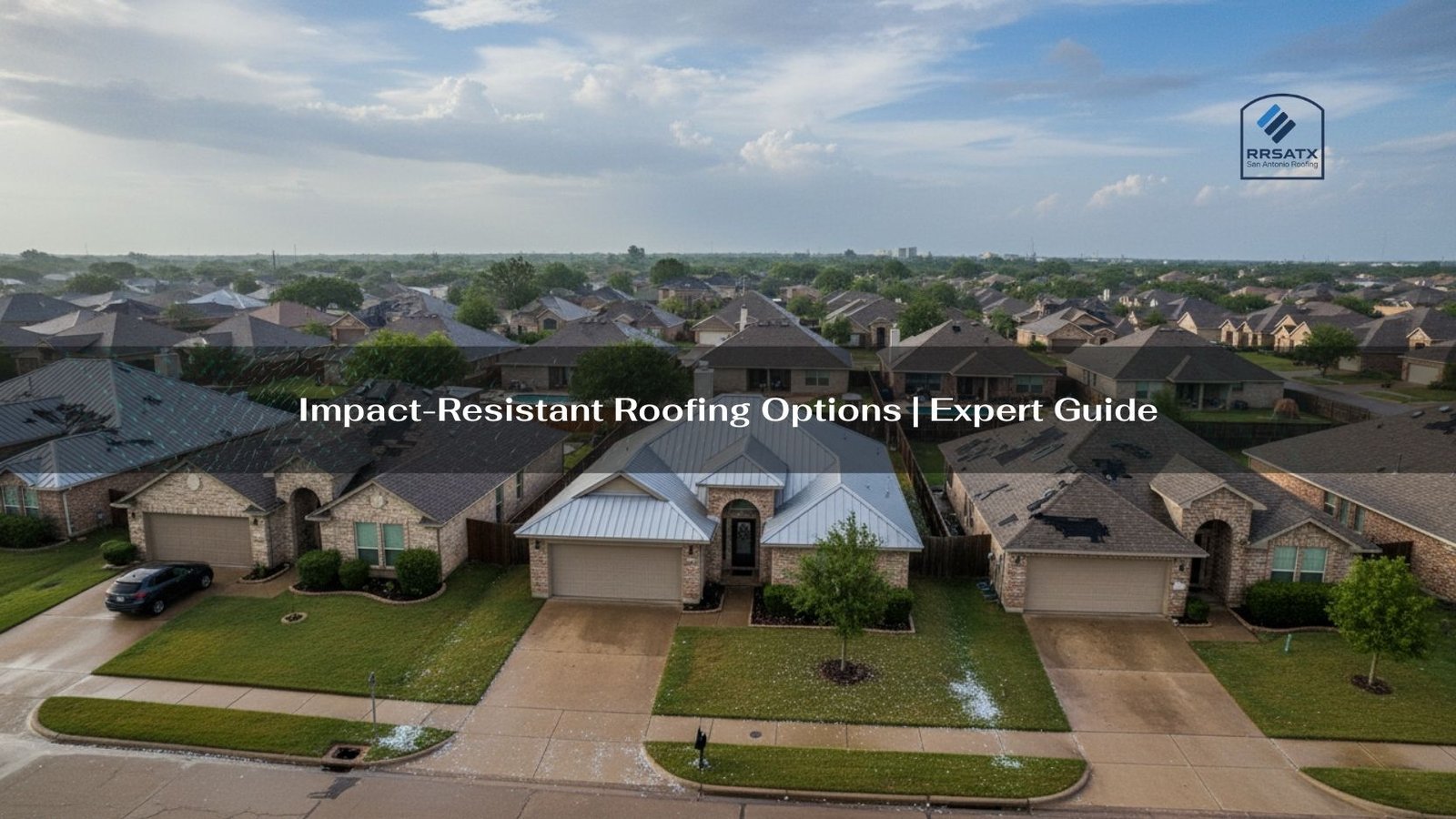
Impact-Resistant Roofing Options: Complete Guide for Storm-Prone Areas
When severe weather strikes particularly the hailstorms that pummel Texas with alarming regularity your roof serves as your home’s first and most critical line of defense. A single severe hail event can cause thousands of dollars in damage to standard roofing materials, triggering insurance claims, emergency repairs, and premature roof replacement. Impact-resistant roofing options have emerged as a proven solution to this costly vulnerability, offering homeowners enhanced protection against hail damage, wind-driven debris, and other weather-related threats that conventional roofing materials simply cannot withstand.
The decision to invest in impact-resistant roofing extends beyond simple storm protection. These specialized materials deliver measurable benefits including lower insurance premiums, extended roof lifespan, reduced maintenance costs, and improved resale value advantages that compound over decades of service. However, navigating the landscape of impact-resistant roofing options requires understanding the technical specifications, performance ratings, material choices, and cost considerations that determine which solution best fits your specific needs and budget.
This comprehensive guide examines every aspect of impact-resistant roofing, from the science behind impact resistance ratings to detailed comparisons of available materials, installation requirements, and long-term value propositions. Whether you’re replacing a damaged roof after a storm, planning proactive upgrades to protect your investment, or building new construction in a hail-prone region, you’ll find the expert insights needed to make an informed decision about impact-resistant roofing options.
Understanding Impact-Resistant Roofing: What It Is And Why It Matters
Impact-resistant roofing represents a category of specially engineered materials designed to withstand significant impacts from hail, wind-blown debris, falling branches, and other objects that would damage or penetrate conventional roofing. Unlike standard roofing products that may crack, dent, or fracture when struck by hailstones, impact-resistant materials incorporate structural reinforcements, advanced polymers, and innovative designs that absorb and dissipate impact energy without compromising the roof’s protective barrier.
The fundamental difference lies in material composition and construction. Impact-resistant asphalt shingles, for example, utilize modified asphalt formulations reinforced with styrene-butadiene-styrene (SBS) polymers that provide enhanced flexibility and resilience. This rubberized asphalt creates a material that bends rather than breaks under impact, allowing the shingle to recover its shape after being struck. Metal roofing achieves impact resistance through material thickness and inherent ductility, the ability to deform without fracturing. Tile and synthetic products rely on engineered density, internal reinforcement, and carefully designed profiles that distribute impact forces across larger surface areas.
According to research from the Insurance Institute for Business & Home Safety, impact-resistant roofing can reduce hail damage claims by up to 30-50% compared to conventional materials. This reduction translates directly into lower insurance costs for homeowners, fewer emergency repairs, and significantly extended roof service life. In regions like San Antonio and Houston, where severe thunderstorms regularly produce golf ball to baseball-sized hail, these benefits prove particularly valuable.
The impact resistance concept extends beyond just surviving hail strikes. These materials typically exhibit superior resistance to:
- Wind-driven debris impacts: Flying branches, roof gravel, and other objects propelled by severe thunderstorm winds
- Foot traffic damage: Reduced cracking and damage during maintenance activities or repairs
- Thermal cycling stress: Better resistance to expansion and contraction that causes conventional materials to become brittle over time
- UV degradation: Many impact-resistant products incorporate UV stabilizers that slow aging and maintain flexibility
Understanding these broader protective qualities helps explain why impact-resistant roofing often outlasts conventional materials by 5-15 years, even in the absence of severe hail events. The same engineering that protects against catastrophic impact also enhances overall durability against daily environmental stresses.
Impact Resistance Ratings Explained: UL 2218 Classification
The roofing industry uses standardized testing protocols to objectively measure and classify impact resistance performance. The primary standard UL 2218 was developed by Underwriters Laboratories to provide consistent, reliable evaluation of roofing materials’ ability to resist impact damage. Understanding this classification system proves essential when selecting impact-resistant roofing options, as insurance companies, building codes, and manufacturer warranties all reference these ratings.
The UL 2218 Testing Process
UL 2218 testing simulates hail impacts by dropping steel balls of varying sizes onto roofing samples from specific heights. The test evaluates whether the material cracks, fractures, or experiences tears that could compromise the roof’s weatherproofing integrity. Materials are tested at temperatures ranging from freezing to extremely hot conditions, ensuring performance across the temperature extremes roofs experience in real-world applications.
The testing protocol drops steel balls twice on the same location simulating repeated hail strikes on the same spot during severe storms. This repeated impact testing provides a more rigorous assessment than single-strike tests would deliver. After impact testing, samples undergo detailed inspection to identify any cracks, splits, or damage that could allow water penetration.
UL 2218 Class Ratings
Materials receive classification from Class 1 (lowest) to Class 4 (highest):
Class 1: Withstands impacts from 1.25-inch diameter steel balls (equivalent to 1.25-inch hail). This represents minimal impact resistance and offers little improvement over basic roofing materials.
Class 2: Withstands impacts from 1.5-inch diameter steel balls (equivalent to 1.5-inch hail). Provides moderate protection but remains vulnerable to severe hail events common in Texas.
Class 3: Withstands impacts from 1.75-inch diameter steel balls (equivalent to 1.75-inch hail approximately golf ball size). Offers good protection against most hail events.
Class 4: Withstands impacts from 2-inch diameter steel balls (equivalent to 2-inch hail). This highest rating provides maximum protection against severe hail and qualifies for the most significant insurance discounts.
For homeowners in hail-prone regions, Class 4 impact resistance represents the gold standard. While Class 3 materials offer reasonable protection, the additional investment in Class 4 typically proves worthwhile considering insurance benefits and superior durability. Many insurance companies offer premium discounts only for Class 4 rated materials, making lower classifications less economically attractive despite their lower initial costs.
Important Rating Considerations
Several nuances deserve attention when evaluating impact resistance ratings:
Complete system rating: Impact resistance applies to the entire roofing system, not just top-layer materials. Underlayment, decking condition, and installation quality all influence real-world performance. A Class 4 shingle installed over compromised decking won’t perform as effectively as the rating suggests.
Manufacturer-specific performance: Not all Class 4 materials perform identically. Some manufacturers engineer products that significantly exceed minimum Class 4 requirements, providing enhanced protection margins. Reviewing specific test results and manufacturer data helps identify premium performers within the same rating class.
Aging effects: Impact resistance can degrade over time as materials age and lose flexibility. Quality Class 4 products maintain effectiveness for decades, while inferior products may lose meaningful impact resistance after just 10-15 years. Understanding expected performance over the full service life matters more than initial ratings alone.
Real-world vs. laboratory conditions: While UL 2218 testing provides valuable standardization, actual hail events involve variables including wind speed, hail density, and accumulated damage from multiple strikes. Class 4 materials don’t guarantee zero damage in extreme events but significantly reduce damage severity compared to conventional materials.
Impact-Resistant Asphalt Shingles: The Most Popular Option
Impact-resistant asphalt shingles dominate the residential roofing market, combining familiar aesthetics, competitive pricing, and proven impact protection. These engineered products have evolved significantly from early impact-resistant offerings, now delivering performance that satisfies even the most stringent requirements while maintaining the traditional appearance homeowners prefer.
Construction And Technology
Modern impact-resistant asphalt shingles achieve Class 4 ratings through several key innovations. The asphalt itself undergoes modification with SBS polymers, the same rubberized compounds used in high-performance roofing membranes. This polymer modification transforms rigid asphalt into a flexible, resilient material that absorbs impact energy rather than fracturing. The SBS content typically ranges from 5-12% by weight, with higher concentrations generally delivering superior impact resistance and longevity.
The reinforcement mat, the fiberglass core around which asphalt adheres, also receives enhancements in impact-resistant products. Heavier, denser fiberglass mats provide greater tensile strength and dimensional stability, helping shingles maintain integrity under stress. Some manufacturers incorporate additional reinforcement layers or use specialized mat weaves that further improve impact performance.
Premium impact-resistant shingles feature thick profiles with substantial weight typically 300-500 pounds per square (100 square feet) compared to 200-250 pounds for basic three-tab shingles. This additional mass provides greater impact absorption and improved wind resistance, creating comprehensive storm protection.
Leading Manufacturers And Product Lines
Several manufacturers have established strong reputations for impact-resistant asphalt shingles:
GAF Timberline HDZ: Among the most widely installed Class 4 shingles, featuring LayerLock technology for enhanced wind resistance and a wide selection of colors that suit virtually any architectural style.
Owens Corning Duration Storm: Utilizes SureNail Technology with a wider nailing area for superior wind resistance alongside Class 4 impact rating. Available in numerous color options with excellent granule retention.
CertainTeed Northgate Class 4: Engineered specifically for hail-prone regions, these shingles combine impact resistance with industry-leading warranty coverage and aesthetic appeal.
Malarkey Legacy Class 4: Incorporates upcycled materials alongside traditional components, appealing to environmentally conscious homeowners without compromising performance.
Advantages Of Impact-Resistant Asphalt Shingles
Impact-resistant asphalt shingles offer several compelling benefits:
Cost-effectiveness: At $450-$650 per square installed, these products cost 20-40% more than standard architectural shingles but significantly less than metal or tile alternatives. This moderate price premium makes Class 4 protection accessible to most homeowners.
Aesthetic versatility: Available in dozens of colors and multiple profile styles, impact-resistant shingles accommodate any architectural design from traditional to contemporary. Many products convincingly mimic the appearance of wood shakes or slate at a fraction of the cost.
Familiar installation: Contractors throughout the country have extensive experience installing asphalt shingles, making qualified installers readily available and reducing labor costs compared to specialty materials.
Insurance acceptance: All major insurance carriers recognize Class 4 asphalt shingles for premium discounts, with many companies offering 20-35% reductions on homeowners insurance costs.
Proven performance: Decades of real-world installations provide substantial performance data. Quality Class 4 asphalt shingles consistently demonstrate 25-30 year service lives in Texas climates when properly installed and maintained.
Limitations To Consider
Despite their popularity, impact-resistant asphalt shingles present some limitations:
Heat sensitivity: While impact-resistant formulations improve flexibility, asphalt shingles still soften in extreme heat. Texas summers with sustained 100°F+ temperatures can accelerate granule loss and reduce impact resistance over time.
Weight requirements: The substantial weight of impact-resistant shingles may exceed the load capacity of older roof structures. Some installations require decking reinforcement, adding project costs.
Color fading: Like all asphalt products, impact-resistant shingles experience gradual color fading from UV exposure. While quality products maintain acceptable appearance for 15-20 years, eventual fading proves inevitable.
Environmental considerations: Asphalt shingles have limited recyclability compared to metal roofing, and petroleum-based materials raise environmental concerns for some homeowners.
Metal Roofing: Superior Impact Protection
Metal roofing systems deliver exceptional impact resistance alongside numerous additional benefits that make them increasingly popular for residential applications. While initial costs exceed asphalt shingles, metal’s performance characteristics and longevity create compelling value propositions for homeowners planning long-term ownership.
Material Types And Performance
Several metal roofing materials offer impact resistance:
Steel roofing: Galvanized or Galvalume-coated steel provides excellent impact resistance at competitive costs. Gauge thickness determines performance. 26-gauge steel (0.0179 inches thick) meets Class 4 requirements, while premium 24-gauge (0.0239 inches) and 22-gauge (0.0299 inches) products exceed minimum standards. Steel’s natural ductility allows it to absorb significant impacts through minor denting without compromising weatherproofing integrity.
Aluminum roofing: Lighter than steel but equally impact-resistant when properly gauged, aluminum excels in coastal environments where salt spray accelerates steel corrosion. Typical residential applications use .032 to .040-inch thickness aluminum, easily achieving Class 4 ratings.
Copper roofing: Premium copper installations provide ultimate durability and distinctive aesthetics. Copper’s malleability allows it to handle impacts without fracturing, and the natural patina that develops over time doesn’t compromise impact performance.
Zinc roofing: Gaining popularity for its longevity and self-healing properties, zinc develops a protective patina that actually repairs minor scratches. Impact resistance rivals copper while costs remain somewhat lower.
Standing Seam VS. Exposed Fastener Systems
Standing seam metal roofing represents the premium installation method, featuring concealed fasteners and vertical ribs that interlock to create weathertight seams. These systems excel in both impact resistance and overall performance. The raised seams provide structural rigidity that enhances impact absorption, while concealed fasteners eliminate potential weak points that direct impacts might exploit. Standing seam installations typically cost $9-$14 per square foot installed but deliver 40-60 year service lives with minimal maintenance.
Exposed fastener metal roofing costs less typically $5-$8 per square foot installed but sacrifices some performance. The exposed screws create potential vulnerability points, and the flatter profile provides less structural reinforcement than standing seam designs. However, quality exposed fastener systems still achieve Class 4 ratings and offer substantial improvements over asphalt shingles.
Metal Roofing Advantages
Metal roofing delivers multiple benefits beyond impact resistance:
Exceptional longevity: Properly installed metal roofs routinely last 40-70 years two to three times longer than asphalt shingles. This extended lifespan reduces lifetime roofing costs despite higher initial investments.
Energy efficiency: Metal’s reflective properties reduce solar heat gain, cutting cooling costs by 10-25% in hot climates. Many metal roofing products qualify for cool roof rebates and Energy Star certification.
Fire resistance: Metal roofing achieves Class A fire ratings, providing maximum protection against airborne firebrands and radiant heat. This matters increasingly as wildfire risks expand.
Lightweight construction: Despite superior durability, metal roofing weighs less than asphalt shingles typically 50-150 pounds per square compared to 300-500 pounds for impact-resistant shingles. This reduced weight eliminates structural concerns for most installations.
Environmental benefits: Metal roofing typically contains 30-60% recycled content and remains 100% recyclable at end of service life. The longevity also reduces environmental impact by eliminating multiple replacement cycles.
Minimal maintenance: Metal roofs resist algae growth, don’t require periodic replacement of individual damaged components, and maintain appearance and performance with occasional cleaning.
Metal Roofing Considerations
Potential drawbacks warrant consideration:
Higher initial costs: Metal roofing costs 2-3 times more than impact-resistant asphalt shingles initially, requiring greater upfront investment despite superior lifecycle value.
Noise during rain: Contrary to common assumptions, proper insulation and underlayment minimize rain noise. However, some homeowners remain sensitive to the distinctive sound metal roofs produce during heavy rainfall.
Denting visibility: While impacts won’t compromise weatherproofing, severe hail can create visible dents in metal roofing. Many homeowners find minor cosmetic denting acceptable given the continued functionality, but aesthetic concerns matter to some buyers.
Installation expertise: Metal roofing requires specialized installation skills. Contractor availability may be limited in some markets, and improper installation can compromise performance significantly.
Expansion/contraction considerations: Metal expands and contracts with temperature changes. Proper installation techniques accommodate this movement, but poor workmanship can lead to fastener problems or panel distortion.
Concrete And Clay Tiles: Proven Durability
Tile roofing has protected homes for centuries, with archaeological examples surviving thousands of years. Modern concrete and clay tiles combine this time-tested durability with engineered impact resistance, creating roofing systems that can outlast the structures they protect.
Material Characteristics
Clay tiles are manufactured from natural clay fired at high temperatures, creating dense, durable products with minimal environmental impact. The firing process produces materials that resist moisture absorption, don’t deteriorate from UV exposure, and maintain structural integrity indefinitely. Clay tiles naturally achieve Class 3 or Class 4 impact ratings depending on thickness and profile design.
Concrete tiles consist of sand, cement, and water formed under high pressure and cured to create strong, durable products. Modern concrete tiles incorporate colorfast pigments and surface treatments that resist fading while maintaining the natural appearance of clay at lower costs. Quality concrete tiles achieve Class 4 ratings and deliver 50+ year service lives.
Impact Performance
Tile roofing’s impact resistance stems from several factors:
Material density: Both clay and concrete tiles feature substantial mass that absorbs impact energy. A typical tile weighs 8-15 pounds, compared to less than an ounce for individual shingles. This mass distributes impact forces across larger areas, reducing concentrated stress.
Profile design: Curved profiles common in Spanish and Mission tile styles deflect impacts rather than receiving direct strikes. The curves also provide space between the tile and underlayment, allowing tiles to flex slightly under impact without transferring full force to the roof deck.
Interlocking systems: Modern tiles incorporate interlocking edges that share loads across multiple units. When one tile receives impact, adjacent tiles help support and distribute the force.
Brittleness misconceptions: While tiles can crack under extreme impacts, properly manufactured products demonstrate surprising resilience. The key distinction: tiles may crack without compromising the roof system’s weatherproofing, as underlayment provides the waterproof barrier and damaged tiles can be individually replaced.
Tile Roofing Advantages
Tile delivers distinctive benefits:
Unmatched longevity: Clay tiles routinely last 75-100+ years, with many installations serving well beyond a century. Concrete tiles typically provide 50-75 year service lives. This longevity makes tile the ultimate long-term value despite premium initial costs.
Fire resistance: Tile achieves the highest fire ratings available, providing complete protection against airborne firebrands. In wildfire-prone areas, this benefit proves invaluable.
Energy efficiency: Tile profiles create natural ventilation channels that reduce attic heat buildup. The thermal mass also moderates temperature swings, improving overall energy performance.
Aesthetic prestige: Tile roofing conveys quality, permanence, and architectural distinction. The material particularly complements Mediterranean, Spanish Colonial, and Mission architectural styles common throughout Texas and the Southwest.
Low maintenance: Tiles don’t rot, don’t support algae growth, and require minimal maintenance beyond occasional cleaning and damaged tile replacement.
Color permanence: Clay tiles maintain their color indefinitely literally centuries without fading. Concrete tiles may experience minor fading over 20-30 years but retain acceptable appearance far longer than asphalt products.
Tile Roofing Limitations
Several factors constrain tile roofing adoption:
Substantial weight: Tile roofing weighs 850-1,100 pounds per square nearly double the weight of impact-resistant asphalt shingles. Many existing structures require reinforcement to safely support tile roofs, adding significant costs.
High initial investment: Tile installation costs $10-$18 per square foot for concrete and $15-$30 per square foot for clay. These costs exceed all other common residential roofing materials.
Installation complexity: Proper tile installation requires specialized expertise and careful attention to underlayment, battens, and fastening techniques. Contractor availability varies regionally.
Fragility during maintenance: While tiles resist hail impacts, they can crack when walked on during maintenance activities. Contractors must exercise care when accessing tile roofs for repairs or inspections.
Architectural limitations: Tile’s distinctive appearance doesn’t suit all architectural styles. Additionally, minimum roof pitch requirements (typically 3:12 or greater) prevent tile use on low-slope applications.
Synthetic Roofing Materials: Modern Engineering
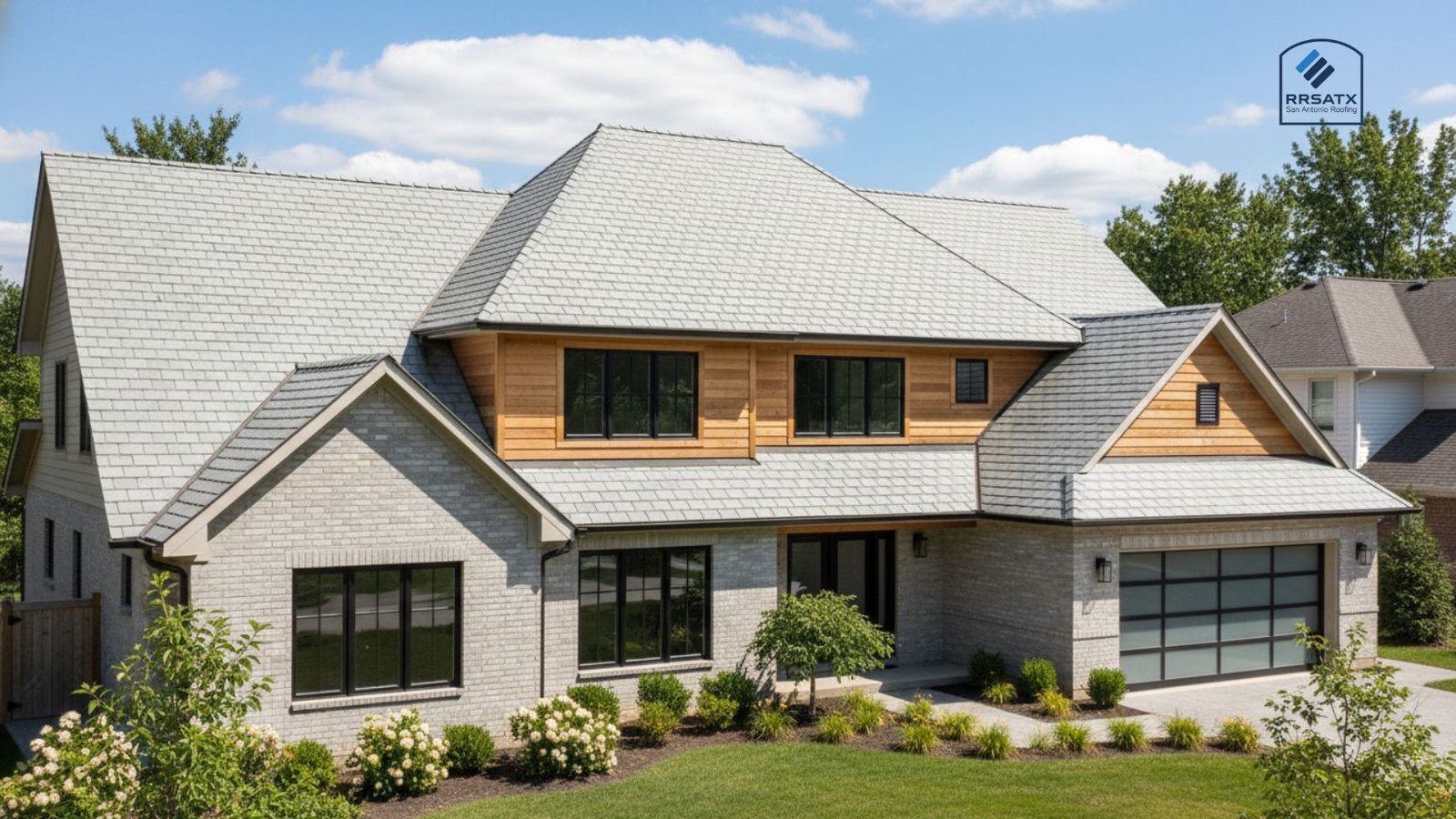
Engineered synthetic roofing products represent the newest category of impact-resistant roofing options, combining advanced polymer chemistry with modern manufacturing to create materials that mimic traditional aesthetics while delivering superior performance characteristics.
Material Technologies
Synthetic slate: Manufactured from rubber, plastic, or composite polymers, synthetic slate replicates the appearance of natural slate at a fraction of the weight and cost. Products achieve Class 4 impact ratings while weighing just 250-400 pounds per square compared to 800-1,500 pounds for natural slate.
Composite shingles: Advanced composites blend polymers with reinforcing materials to create products resembling cedar shakes, tile, or slate. These materials resist impacts, don’t absorb moisture, and won’t support mold or algae growth.
Rubber roofing: Manufactured primarily from recycled tires, rubber roofing products deliver exceptional impact resistance alongside environmental benefits. The material’s inherent flexibility allows it to absorb substantial impacts without damage.
Performance Characteristics
Synthetic roofing materials offer unique advantages:
Superior impact resistance: Many synthetic products exceed Class 4 minimum requirements significantly. The polymer formulations absorb impacts that would shatter natural materials.
Lightweight installation: Reduced weight eliminates structural concerns, simplifies installation, and reduces seismic loads in earthquake-prone regions.
Freeze-thaw resistance: Unlike natural materials that can absorb water and fracture during freezing, synthetic products remain impervious to moisture and unaffected by temperature cycling.
Consistent quality: Manufacturing controls eliminate the natural variations that affect quarried or clay products, ensuring uniform performance across all components.
Considerations
Synthetic materials present some limitations:
Variable quality: Product quality varies dramatically between manufacturers. Premium synthetics perform exceptionally, while budget products may degrade rapidly. Careful manufacturer research proves essential.
UV degradation concerns: Some synthetic materials lose strength and flexibility when exposed to prolonged UV radiation. Quality products incorporate UV stabilizers, but inferior formulations can fail prematurely.
Limited track record: While testing demonstrates excellent performance, synthetic materials lack the decades of real-world data available for traditional products. Long-term performance remains somewhat uncertain.
Higher costs: Premium synthetic products often cost as much or more than the natural materials they mimic, reducing economic advantages.
Aesthetic debates: While synthetics closely replicate natural appearances, some homeowners and architects prefer authentic materials for aesthetic or philosophical reasons.
Comparing Impact-Resistant Roofing Options
Understanding how different impact-resistant roofing options compare across key performance and economic factors helps guide material selection for your specific situation.
| Material | UL 2218 Rating | Installed Cost/Sq Ft | Expected Lifespan | Weight (lbs/square) | Maintenance Level | Energy Efficiency |
| Class 4 Asphalt Shingles | Class 4 | $4.50-$6.50 | 25-30 years | 300-500 | Moderate | Fair |
| Standing Seam Metal | Class 4 | $9-$14 | 40-60 years | 50-150 | Low | Excellent |
| Exposed Fastener Metal | Class 4 | $5-$8 | 30-40 years | 50-150 | Low-Moderate | Good |
| Concrete Tile | Class 3-4 | $10-$18 | 50-75 years | 850-1,100 | Low | Good |
| Clay Tile | Class 3-4 | $15-$30 | 75-100+ years | 850-1,100 | Low | Good |
| Synthetic Slate | Class 4 | $8-$14 | 30-50 years | 250-400 | Low | Fair-Good |
Beyond these quantifiable metrics, several qualitative factors influence material selection:
Aesthetic compatibility: Material choice should complement your home’s architectural style. Mediterranean or Spanish Colonial homes suit tile roofing, while craftsman styles often pair well with synthetic slate or metal. Modern designs accommodate virtually any material.
Resale considerations: In markets where specific roofing types dominate, choosing different materials might impact resale value. Conversely, premium materials like tile or standing seam metal can enhance perceived value in upscale markets.
Environmental priorities: Metal’s recyclability, tile’s longevity, and synthetic products’ recycled content appeal to environmentally conscious homeowners. Asphalt shingles offer limited environmental benefits.
Climate-specific performance: Beyond impact resistance, consider how materials perform in your specific climate. Metal excels in hot climates, tile provides excellent thermal mass benefits, and asphalt shingles offer versatility across conditions.
Insurance Benefits And Premium Discounts
One of the most compelling financial benefits of impact-resistant roofing comes from reduced insurance premiums. Understanding how these discounts work helps accurately calculate the true cost-benefit equation for different materials.
Typical Discount Structures
Insurance companies offer premium discounts for Class 4 impact-resistant roofing, though specific percentages vary by carrier and location. According to data from the National Association of Insurance Commissioners, typical discounts range from 15-35% on the dwelling coverage portion of homeowners insurance policies.
For a home with $300,000 in dwelling coverage and an annual premium of $2,000, a 25% discount saves $500 annually. Over a 25-year period, these savings accumulate to $12,500 enough to offset a substantial portion of the premium paid for impact-resistant materials.
Several factors influence discount availability and amounts:
State regulations: Some states mandate minimum discounts for impact-resistant roofing, while others leave discounts to carrier discretion. Texas law, for instance, requires insurers to offer discounts for impact-resistant materials, though carriers determine specific percentages.
Claim history: Homes with previous hail damage claims might receive larger discounts, as insurers particularly value impact resistance where risk is demonstrated.
Combined discounts: Many insurers offer stacking discounts impact-resistant roofing combined with other protective features like hurricane shutters, security systems, or updated electrical systems can yield discounts exceeding 40-50% total.
Deductible considerations: Some carriers offer reduced hail deductibles alongside premium discounts when impact-resistant roofing is installed, creating additional savings if claims do occur.
Documentation Requirements
Securing insurance discounts requires proper documentation:
UL 2218 certification: Insurers require proof that installed materials carry Class 4 ratings. Manufacturer certifications or contractor documentation satisfy this requirement.
Installation verification: Some carriers require verification that installation followed manufacturer specifications and industry standards. Professional installation documentation proves valuable.
Regular updates: Inform your insurance company immediately after installing impact-resistant roofing. Discounts apply only after notification and verification.
Maintain records: Keep all documentation, warranties, and certifications. If you change insurance carriers, you’ll need to provide proof of impact-resistant roofing to receive discounts from new insurers.
Additional Insurance Considerations
Beyond premium discounts, impact-resistant roofing affects insurance in other ways:
Improved insurability: In areas with severe hail histories, some insurers decline coverage for homes with conventional roofing or impose high premiums that make coverage unaffordable. Impact-resistant roofing can make homes insurable that otherwise wouldn’t qualify for coverage.
Reduced claim frequency: Even with impact-resistant roofing, severe hail can cause damage. However, the threshold for claim-worthy damage increases significantly. Minor hail events that would trigger claims on conventional roofs often cause no damage to impact-resistant materials, helping maintain claim-free discounts and preventing rate increases.
Future-proofing: As climate patterns intensify severe weather frequency, insurers increasingly favor impact-resistant construction. Installing Class 4 roofing positions homeowners favorably for future insurance market changes.
Installation Requirements And Best Practices
Impact-resistant roofing delivers promised benefits only when properly installed. Understanding installation requirements and selecting qualified contractors proves as important as material selection.
Critical Installation Elements
Roof deck inspection and repair: Impact-resistant materials perform only as well as the structure supporting them. Before installation, contractors must inspect roof decking for rot, damage, or inadequate spacing. Damaged sections require replacement, and proper spacing (typically 1/8-inch gaps) must be maintained to allow thermal expansion.
Premium underlayment: Quality synthetic underlayment provides secondary weather protection and improves overall system performance. While traditional felt underlayment meets minimum code, synthetic products offer superior tear resistance, longer exposure ratings, and better moisture resistance.
Proper fastening: Each roofing material has specific fastening requirements regarding fastener type, spacing, and penetration depth. Over-driven or under-driven fasteners compromise both structural performance and impact resistance.
Ventilation systems: Adequate ventilation prevents heat and moisture buildup that degrades roofing materials and reduces impact resistance over time. Balanced intake and exhaust ventilation maintains optimal attic conditions.
Flashing details: Proper flashing around chimneys, skylights, valleys, and roof penetrations prevents water infiltration. Impact-resistant roofing won’t deliver its expected lifespan if water regularly compromises the roof system through inadequate flashing.
Contractor Selection Criteria
Choosing qualified contractors determines installation success:
Manufacturer certification: Premium roofing manufacturers offer certification programs training contractors in proper installation techniques specific to their products. Manufacturer-certified installers understand nuances that generic roofing contractors might miss.
License and insurance verification: Always verify contractor licenses, liability insurance, and workers compensation coverage. Unlicensed or uninsured contractors expose homeowners to significant liability.
Local experience: Contractors familiar with regional weather patterns, building codes, and common challenges deliver better results than those without local knowledge.
References and portfolio: Request references from recent projects using similar materials. Inspect completed installations personally when possible.
Written estimates: Obtain detailed written estimates specifying materials (including manufacturer and product line), installation methods, timeline, and warranty coverage. Vague estimates indicate unprofessional operations.
Warranty understanding: Clarify both manufacturer material warranties and contractor workmanship warranties. Understand what each covers, duration, and transferability if you sell the home.
Common Installation Mistakes
Several errors compromise impact-resistant roofing performance:
Inadequate nailing: Using too few fasteners or placing them incorrectly reduces wind resistance and can void warranties.
Improper shingle alignment: Misaligned shingles create vulnerable areas where water can penetrate and impacts may cause greater damage.
Mixing materials: Combining underlayments, flashings, or accessories from different manufacturers can create incompatibilities that reduce performance.
Insufficient edge protection: Roof edges and rakes require special attention to prevent wind uplift. Starter strips and edge metal must be properly installed.
Neglecting ventilation: Inadequate ventilation accelerates material degradation and can void manufacturer warranties.
Cost Analysis: Investment VS. Long-Term Value
Impact-resistant roofing requires higher initial investment than conventional materials, but comprehensive cost analysis reveals compelling long-term value when factoring in all economic benefits.
Initial Investment Ranges
For a typical 2,500 square-foot home (25 squares of roofing):
- Class 4 Asphalt Shingles: $11,250-$16,250
- Exposed Fastener Metal: $12,500-$20,000
- Standing Seam Metal: $22,500-$35,000
- Concrete Tile: $25,000-$45,000
- Clay Tile: $37,500-$75,000
- Synthetic Slate: $20,000-$35,000
These costs include materials, labor, underlayment, flashing, ventilation improvements, and disposal of existing roofing.
Lifetime Cost Comparison
Examining costs over 50 years provides clearer value perspectives:
Class 4 Asphalt Shingles: Two replacements needed over 50 years. Total cost: $35,000-$45,000 (adjusted for inflation). Insurance savings: $25,000. Net cost: $10,000-$20,000.
Standing Seam Metal: Single installation lasting 50+ years. Initial cost: $22,500-$35,000. Insurance savings: $25,000. Net cost: $0-$10,000 (potentially net positive if roof exceeds 50-year life).
Concrete Tile: Single installation lasting 50+ years. Initial cost: $25,000-$45,000. Insurance savings: $25,000. Net cost: $0-$20,000.
These calculations demonstrate that premium materials often cost less over building lifetimes than cheaper alternatives requiring multiple replacements. Additionally, avoided hail damage repairs, reduced maintenance costs, and energy savings further improve value propositions.
Financing Considerations
The higher initial costs of impact-resistant roofing create affordability challenges for some homeowners. Several financing options help:
Home equity loans/lines of credit: Lower interest rates than credit cards make home equity attractive for roof financing.
Contractor financing: Many roofing contractors offer financing programs, though interest rates vary widely. Compare carefully against other options.
Insurance claim proceeds: If replacing a damaged roof, insurance settlements can fund upgrades to impact-resistant materials for modest additional investment.
Energy efficiency loans: Some programs offer favorable financing for energy-efficient improvements, which may include reflective metal roofing.
Property tax financing (PACE): Some jurisdictions offer Property Assessed Clean Energy programs that finance energy and resilience improvements through property tax assessments.
Maintenance And Longevity Expectations
While impact-resistant roofing requires less maintenance than conventional materials, proper care maximizes performance and lifespan.
Material-Specific Maintenance
Impact-Resistant Asphalt Shingles:
- Annual visual inspections for damaged, loose, or missing shingles
- Prompt replacement of damaged components
- Periodic cleaning to remove moss, algae, or debris accumulation
- Gutter maintenance to prevent water backup
- Expect 25-30 year lifespan with diligent maintenance
Metal Roofing:
- Periodic inspections of fasteners and seams
- Cleaning to maintain reflective coatings and prevent staining
- Touch-up painting for scratches or edge damage (painted finishes)
- Gutter and valley cleaning to prevent water accumulation
- Expect 40-60 year lifespan with minimal intervention
Tile Roofing:
- Individual tile replacement as breakage occurs
- Inspection of underlayment condition (typically every 20-25 years)
- Cleaning to prevent moss or debris accumulation
- Flashings and valley maintenance
- Expect 50-100+ year lifespan with component replacements
Synthetic Materials:
- Follow manufacturer-specific maintenance recommendations
- Regular cleaning to prevent degradation from contaminants
- Inspection for UV damage or material deterioration
- Expect 30-50 year lifespan depending on product quality
Post-Storm Inspections
Even impact-resistant roofing should undergo professional inspection after severe hail events:
Immediate assessment: Inspect from ground level for obvious damage like displaced materials or visible punctures.
Professional evaluation: Schedule professional inspection within days of severe weather to document any damage while conditions remain fresh.
Insurance documentation: If damage exists, document thoroughly with photographs before making repairs. Contact the insurance company promptly to initiate claims if necessary.
Preventive repairs: Address minor damage immediately to prevent escalation into major problems.
Choosing The Right Impact-Resistant Roofing For Your Home
Selecting optimal impact-resistant roofing requires weighing multiple factors specific to your situation, priorities, and budget.
Decision Framework
Assess hail risk severity: Homes in areas experiencing frequent severe hail events justify premium impact-resistant investments. Properties in regions with moderate or rare hail might find Class 4 asphalt shingles sufficient.
Define priority hierarchy: Rank these factors by importance to your situation:
- Initial cost constraints
- Long-term value and lifespan
- Aesthetic preferences
- Energy efficiency
- Environmental impact
- Resale value considerations
- Insurance cost reduction
Evaluate structural capacity: Verify whether your home’s structure can support heavier materials without reinforcement. Structural upgrades required for tile roofing might make lighter alternatives more practical.
Consider ownership timeline: Homeowners planning 10+ years of ownership benefit most from premium materials with longer payback periods. Those expecting to sell within 5-7 years might find Class 4 asphalt shingles more appropriate.
Research insurance benefits: Contact your insurance carrier to understand specific discounts for different materials before finalizing selections.
Climate optimization: In hot climates like San Antonio and Houston, prioritize materials with good thermal performance alongside impact resistance.
Professional Guidance Value
While research provides essential knowledge, professional roofing contractors offer valuable insights:
- Structural assessment of your specific home
- Material recommendations based on local performance
- Accurate cost estimates for different options
- Installation timeline and logistical considerations
- Manufacturer and product-specific knowledge
- Warranty and insurance documentation assistance
Protect Your Texas Home With Impact-Resistant Roofing
Impact-resistant roofing options deliver measurable protection against the severe hail and storm damage that threatens Texas homes annually. Whether you choose the cost-effective reliability of Class 4 asphalt shingles, the exceptional longevity of metal or tile, or the engineered performance of synthetic materials, investing in impact resistance provides security, insurance savings, and long-term value that far exceeds the premium over conventional roofing.
The decision extends beyond simple material selection; proper installation by qualified professionals determines whether your investment delivers its promised benefits. Understanding UL 2218 ratings, evaluating lifecycle costs rather than just initial prices, and selecting materials appropriate for your climate and structural conditions all contribute to successful outcomes.
At RRSATX: San Antonio Roofing Company, our family has served Texas homeowners for 25 years, installing every type of impact-resistant roofing across thousands of residential and commercial projects. We understand the unique challenges hail-prone regions present and can guide you through material selection, insurance considerations, and installation planning with the expertise only decades of hands-on experience provides.
Our comprehensive approach includes:
- FREE 12-point roof inspections that assess your current roof’s condition and vulnerability to impact damage
- Transparent pricing with detailed estimates explaining all material and labor costs
- Expert material guidance helping you select the optimal impact-resistant roofing for your specific needs and budget
- Professional installation by licensed, insured teams trained in manufacturer-specific best practices
- Insurance documentation support ensuring you receive all available discounts and benefits
- Clear communication keeping you informed throughout every project phase
Don’t wait for the next hail storm to expose your roof’s vulnerabilities. Whether you’re repairing storm damage, replacing an aging roof, or proactively upgrading to impact-resistant protection, our team delivers the quality workmanship and honest service San Antonio homeowners have trusted since 2000.
Get your FREE roof inspection today! Call us anytime: 713-504-2341, Email: info@roofrepairsanantoniotx.com
Open 24 Hours – We’re here when you need us
Serving San Antonio, Houston, Katy, and surrounding areas with roofing solutions that protect your home and your investment for decades to come.