
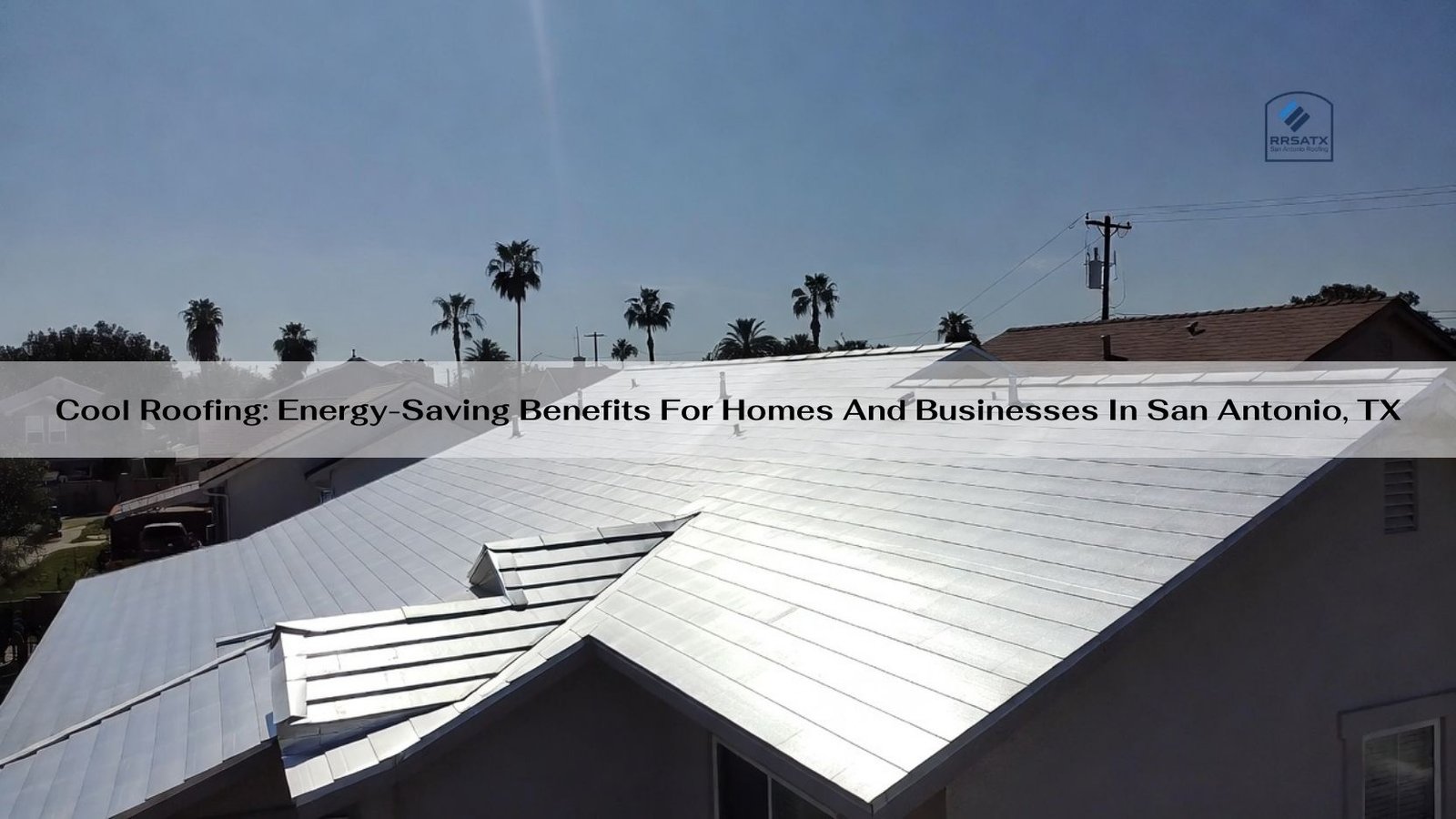
As a Texas-based building performance consultant working with property owners across hot-climate regions, I’ve seen firsthand how roofing choices directly impact energy bills, indoor comfort, and long-term building durability. In San Antonio’s intense sun and prolonged summer heat, roofing performance is not optional, it’s critical.
Cool roofing reduces energy use by reflecting more sunlight and absorbing less heat than traditional roofs, lowering indoor temperatures and cutting cooling costs especially in hot climates like San Antonio.
What Is Cool Roofing?
Cool roofing is a roofing system designed to reflect solar radiation and release absorbed heat more efficiently than standard roofing materials.
Unlike traditional dark roofs that trap heat, cool roofs use reflective roofing materials or coatings that:
- Increase solar reflectance (bounce sunlight away)
- Improve thermal emittance (release absorbed heat)
- Reduce surface temperatures by up to 50–60°F in peak sun conditions
In San Antonio’s summer climate, where rooftop temperatures can exceed 150°F, this difference matters significantly.
How Does Cool Roofing Save Energy?
Cool roofing lowers the temperature of your roof surface, which reduces heat transfer into the building and decreases air conditioning demand.
Here’s how cool roofing works:
- Sunlight hits the roof.
- Reflective materials bounce a large portion back.
- Less heat penetrates the attic or roof deck.
- HVAC systems run less frequently.
Energy Efficiency With Cool Roofing
For homes and businesses in hot climates:
- Lower attic temperatures
- Reduced cooling loads
- Improved indoor comfort
- Extended HVAC lifespan
Key takeaway: The hotter your climate, the greater the energy efficiency gains.
Are Cool Roofs Worth It In San Antonio, TX?
Yes, cool roofing is particularly effective in San Antonio’s long, hot summers.
San Antonio experiences:
- 220+ sunny days per year
- High UV exposure
- Extended cooling seasons
Because cooling costs dominate annual energy usage here, cool roofing often delivers meaningful savings.
For commercial buildings with flat roofs, the benefits are typically even greater due to larger surface areas exposed to direct sun.
What Are The Benefits Of Cool Roofing For Homes And Businesses?
Cool roofing improves energy efficiency, comfort, durability, and environmental performance.
1. Lower Energy Bills
Reduced cooling demand translates into measurable utility savings.
2. Improved Indoor Comfort
Less heat transfer means:
- More stable indoor temperatures
- Fewer hot spots near ceilings
3. Environmental Benefits
Cool roofing contributes to:
- Reduced greenhouse gas emissions
- Lower peak electricity demand
- Mitigation of urban heat islands
4. Longer Roof Lifespan
Lower thermal cycling reduces material stress, improving durability.
Cool Roofing VS Traditional Roofing: What’s The Difference?
| Feature | Cool Roofing | Traditional Roofing |
| Solar reflectance | High | Low |
| Surface temperature | Lower | Much higher |
| Cooling costs | Reduced | Higher |
| Heat absorption | Minimal | Significant |
| Ideal for hot climates | Yes | Less efficient |
In San Antonio, traditional dark shingles absorb heat, increasing attic temperatures and cooling loads. Cool roofing actively combats that heat gain.
What Materials Are Used In Cool Roof Systems?
Cool roof materials vary by building type and budget.
Common options include:
Reflective Roofing Materials
- White or light-colored TPO/PVC membranes (commercial)
- Metal roofing with reflective coatings
- Cool asphalt shingles
- Tile roofing with reflective glaze
Cool Roof Coatings And Their Benefits
- Applied over existing roofs
- Lower upfront cost than full replacement
- Improve reflectivity and waterproofing
Choosing the right cool roofing system depends on:
- Roof slope
- Existing structure
- Budget
- Long-term goals
How Much Can You Save With Cool Roofing?
Savings vary, but cooling energy reductions are most noticeable in hot climates like South Texas.
Potential savings factors:
- Roof size
- Insulation levels
- HVAC efficiency
- Building use (residential vs commercial)
Long-Term Savings With Cool Roofs
Beyond energy bills, savings also come from:
- Extended roof lifespan
- Reduced HVAC wear
- Lower maintenance costs
For commercial properties, reduced peak demand can significantly impact operating expenses.
Does Cool Roofing Help The Environment?
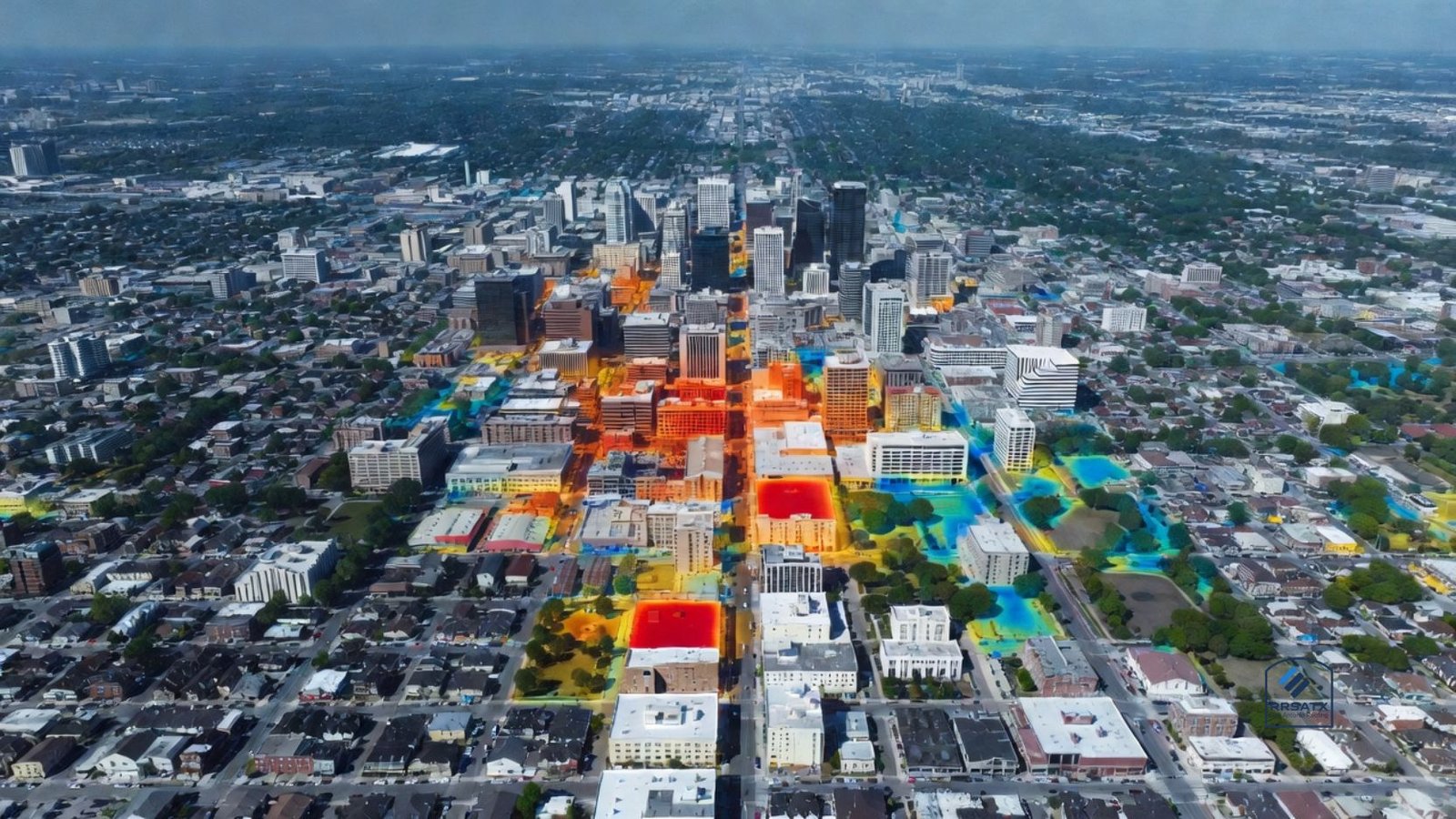
Yes, cool roofs help reduce urban heat islands and lower carbon emissions.
In cities like San Antonio:
- Large roof areas absorb heat
- Urban temperatures rise due to dark surfaces
- Increased AC use drives energy demand
Cool roofing helps by:
- Reflecting sunlight back into the atmosphere
- Reducing city-wide heat buildup
- Lowering peak electricity strain
This contributes to broader climate control efforts.
Are There Tax Incentives For Cool Roofing In Texas?
Incentives vary by year and program.
Property owners should check:
- Federal energy efficiency tax credits
- Utility rebate programs
- Local municipal initiatives
Commercial buildings may qualify for energy-efficiency deductions under federal programs.
Consult a tax professional or energy advisor for current eligibility.
How Do You Choose The Right Cool Roofing System?
The best cool roof depends on building type, climate exposure, and long-term goals.
Consider:
- Roof slope (flat vs pitched)
- Structural load capacity
- Reflectivity rating (Solar Reflectance Index)
- Durability of materials
- Maintenance requirements
For San Antonio properties, prioritize:
- High UV resistance
- Strong heat reflectance
- Proven performance in hot climates
FAQs
How Much Cooler Is A Cool Roof Compared To A Traditional Roof?
A cool roof can be 50–60°F cooler on the surface under direct sunlight compared to a traditional dark roof.
Does Cool Roofing Work In Winter?
Yes. In warm climates like San Antonio, winter heat gain benefits are minimal compared to summer cooling savings. Overall, cool roofs remain energy-positive annually.
Is Cool Roofing More Expensive?
Initial costs may be slightly higher depending on material, but long-term savings in energy and durability often offset the upfront investment.