
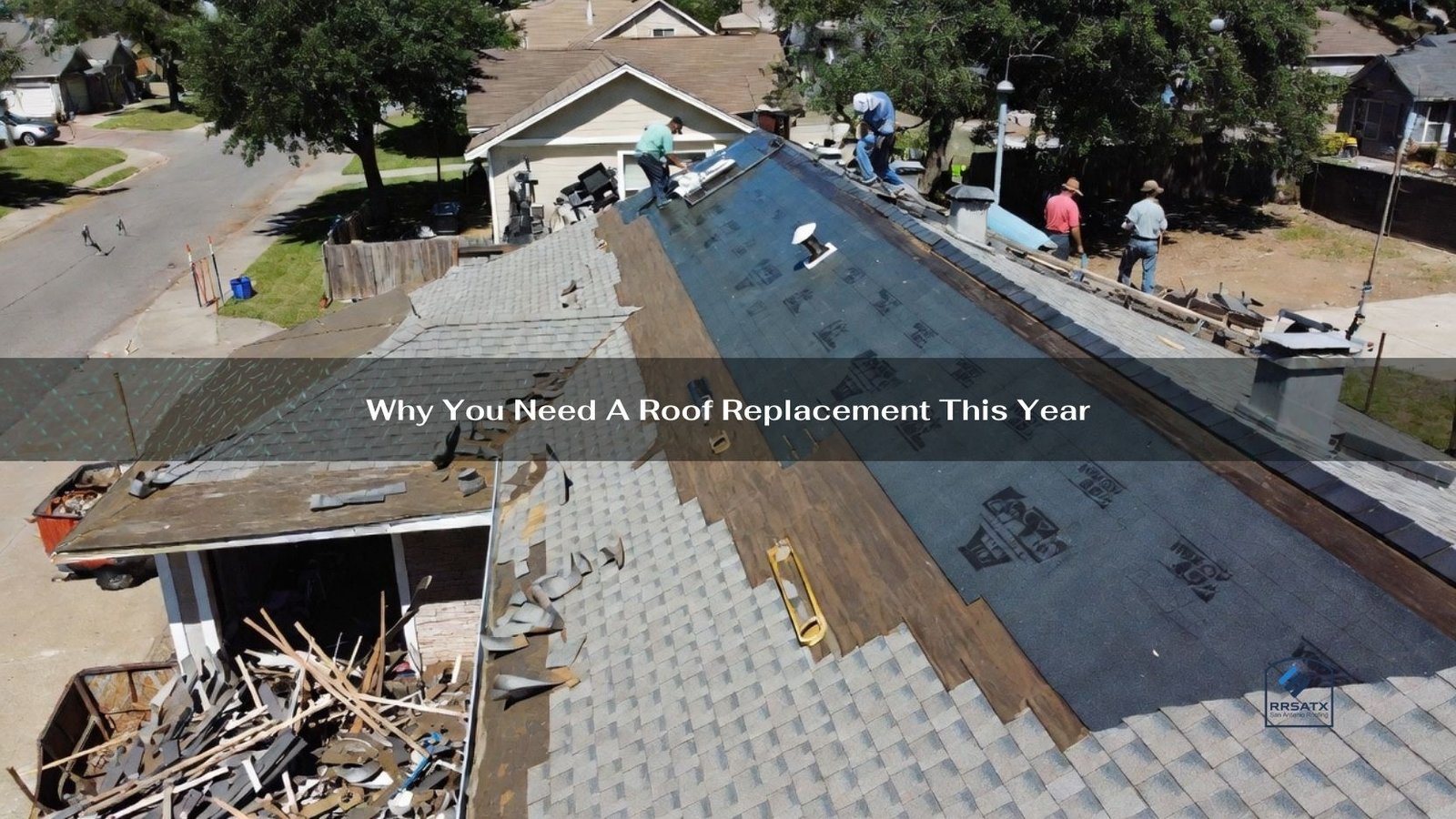
As roofing professionals working across San Antonio, from Monterey St to Nakoma Dr, we regularly inspect roofs damaged by heat, hail, and aging materials. Many homeowners wait too long, turning manageable wear into structural problems.
You may need a roof replacement this year if your roof is 15–20+ years old, has storm damage, active leaks, or widespread shingle deterioration. Replacing now can prevent costly interior damage and protect your home’s value.
Delaying another season in South Texas weather increases risk.
How Do You Know If This Is The Year To Replace Your Roof?
If your roof is nearing the end of its lifespan or showing signs of active failure, this year is likely the right time.
Common indicators include:
- Shingles curling or cracking
- Granule loss in gutters
- Water stains on ceilings
- Soft roof decking
- Multiple past repairs
In San Antonio’s climate, asphalt shingles often last 15–25 years, depending on ventilation and storm exposure.
Key takeaway: If repairs are becoming frequent, replacement is more cost-effective than continued patchwork.
Why Is Delaying Roof Replacement Risky In Texas?
Texas heat and hail accelerate roof failure.
High UV exposure dries out shingles. Sudden hailstorms create impact fractures that may not be visible from the ground. Heavy rain then exploits weak points.
Waiting can lead to:
- Insulation damage
- Mold growth
- Electrical hazards
- Structural wood rot
What begins as minor storm damage can escalate into a full decking replacement if left unchecked.
Will a roof replacement save money in the long term?
Yes, especially compared to repeated emergency repairs.
Here’s a cost comparison approach:
| Scenario | Long-Term Outcome |
| Annual small repairs | Increasing cumulative cost |
| Storm-damaged older roof | High risk of interior damage |
| Timely full replacement | Stable, predictable cost |
| Ignored leak | Structural repair expenses |
Replacing before failure prevents compounding repair bills.
Does Replacing Your Roof Improve Home Value This Year?
Yes. A new roof improves resale appeal and inspection outcomes.
Buyers and inspectors focus heavily on roof condition. An aging roof often triggers:
- Price reductions
- Repair credits
- Delayed closings
- Insurance questions
In competitive San Antonio markets, a recently replaced roof reduces negotiation friction.
Homes with new roofing systems typically present lower buyer risk.
What About Insurance Claims After Storms?
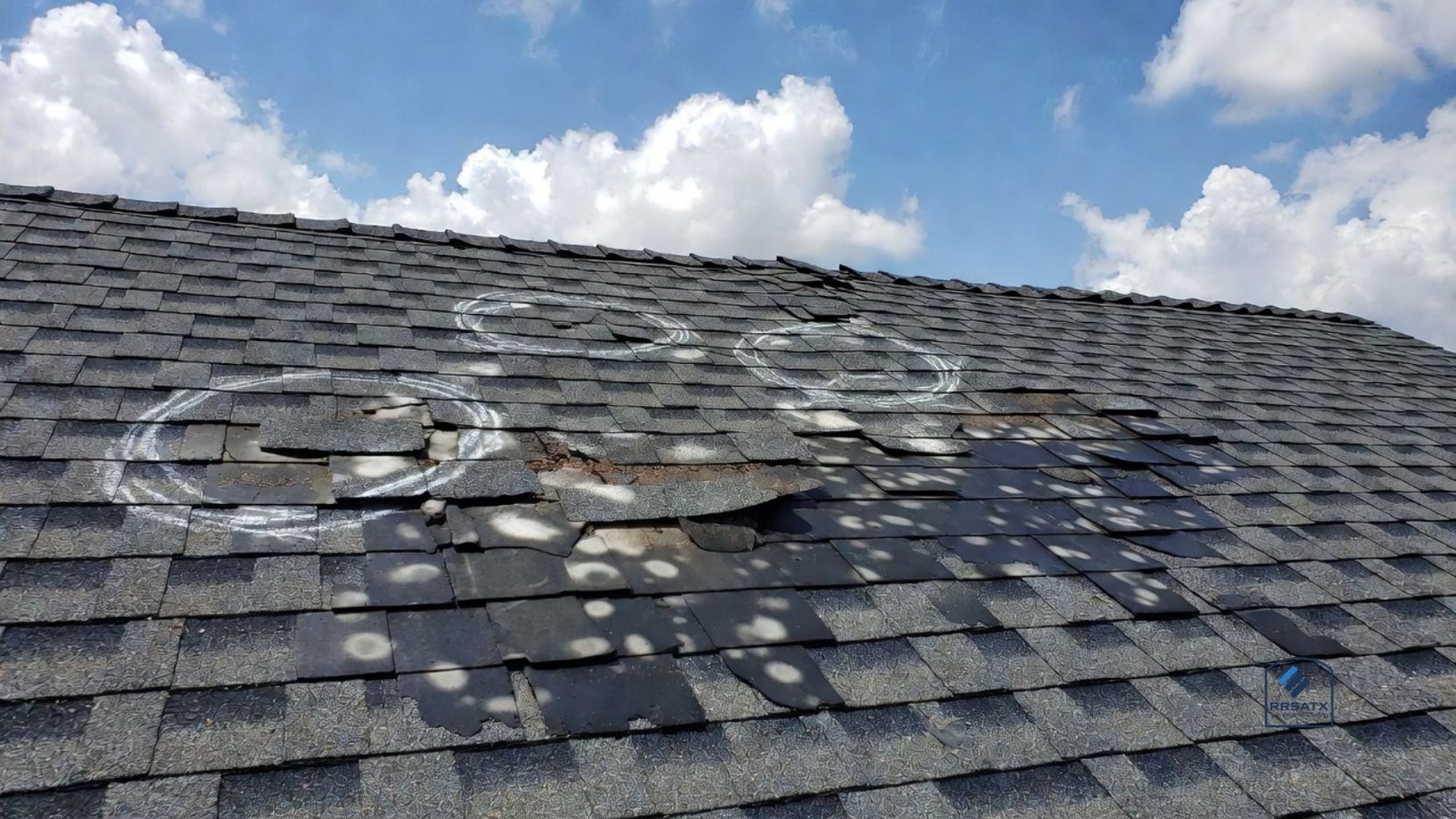
If your roof experienced hail or wind damage recently, this year may be critical.
Steps to take:
- Schedule a professional inspection
- Document visible damage
- Review your homeowner’s policy
- File a claim if the damage qualifies
Insurance coverage often depends on timely reporting. Delaying inspection can complicate the process.
How Does Roof Replacement Improve Energy Efficiency?
Older roofing systems lack modern ventilation and reflective technology.
In South Texas summers:
- Attic temperatures exceed 130°F
- Poor airflow increases HVAC strain
- Energy bills rise
A properly installed replacement may include:
- Ridge and soffit ventilation
- Reflective architectural shingles
- Synthetic underlayment
- Sealed flashing systems
Improved ventilation and materials can reduce cooling demand.
Metal roofing systems offer even greater heat reflectivity.
Is This The Right Year If Your Roof Is 20 Years Old?
Yes. Once a roof reaches the 15–20-year mark in Texas, failure risk increases.
Even if leaks haven’t appeared yet, materials may be brittle beneath the surface.
Waiting for visible interior damage is not a cost-saving strategy.
Proactive replacement protects structure, insulation, and property value.
FAQs
How Long Does Roof Replacement Take?
Most residential roof replacements take 1–3 days, depending on size, material, and weather conditions.
Can I Replace My Roof Before Selling My Home?
Yes. Replacing before listing often prevents inspection-related price reductions and improves buyer confidence.
Does Insurance Cover Roof Replacement?
Insurance may cover replacement if damage results from a covered event, such as hail or wind. Coverage depends on policy terms and inspection findings.