A hole in your roof might seem like a small problem, but it can lead to much bigger issues if not dealt with quickly. If you’re a homeowner in San Antonio, where weather can be unpredictable, a damaged roof can expose your home to leaks, water damage, and even mold. In this guide, we’ll show you how to assess and repair a hole in your metal roof, including when to do it yourself and when to call a professional.
How to Identify the Problem: Is the Hole Small or Large?
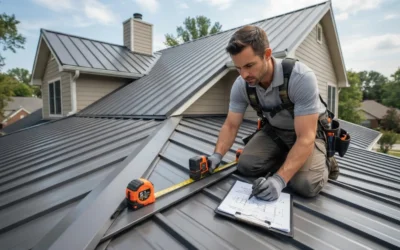
Before you start repairing a hole in your metal roof, you first need to assess the damage. The size and severity of the hole will determine the best approach.
-
Small Holes: These can often be repaired by homeowners themselves. Small holes, usually less than 2 inches in diameter, can be patched with metal sheets and sealants. If the damage is localized to just a small area, this is a relatively simple fix.
-
Large Holes: If the hole is larger than 2-3 inches or if there’s significant damage around the hole, you’ll need to call in a professional roofer. This is especially important if the damage is compromising the structural integrity of your roof.
“If the hole is smaller than 2 inches, you can likely patch it up yourself,” says Tom Green, a local roofing contractor.
DIY Repair Steps for Small Holes
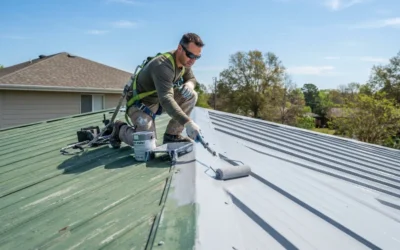
For small holes, a DIY repair is often possible. Here’s how to do it:
Materials Needed:
-
Metal patch (same type of metal as your roof)
-
Roofing sealant or cement
-
Roofing screws or nails
-
A utility knife
-
A ladder (for safety)
Step 1: Clean the Area Around the Hole
Before applying any materials, clean the area around the hole. Use a wire brush to remove dirt, rust, or debris from the roof surface. A clean surface will help the patch adhere better.
Step 2: Cut a Metal Patch
Cut a metal patch that is about 2 inches larger than the hole on each side. The patch should fit snugly over the hole, ensuring it covers the entire damaged area.
Step 3: Apply Roofing Sealant
Spread a generous amount of roofing sealant or cement on the edges of the hole. This will help create a waterproof barrier between the patch and your roof.
Step 4: Attach the Metal Patch
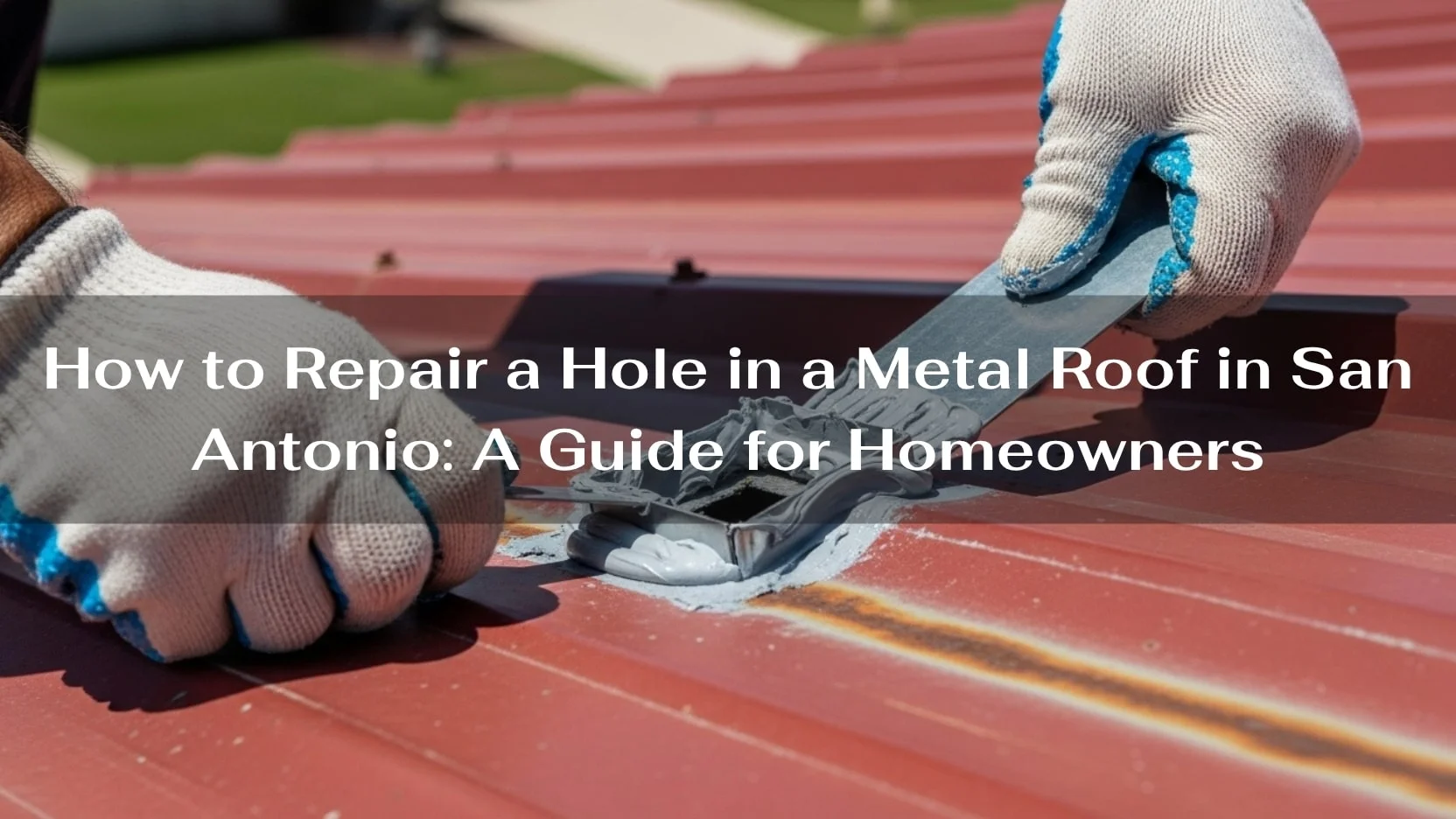
Place the metal patch over the hole, making sure it fits evenly. Secure the patch with roofing screws or nails, ensuring the edges are sealed tightly.
Step 5: Seal the Edges
Apply more sealant around the edges of the patch to prevent any water from getting underneath.
“Using a metal patch and high-quality sealant will help prevent leaks from forming in small holes,” says Sarah Moore, a DIY enthusiast.
For more detailed DIY instructions, check out This Old House’s roof repair guide.
When to Call a Professional
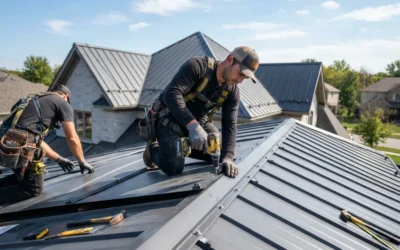
While small holes can usually be repaired on your own, there are times when professional help is necessary. Here are a few reasons why you should call a roofer:
-
Large Holes: Holes larger than 3 inches or multiple holes should be handled by a professional roofer. They will ensure the repair is done correctly and that the structural integrity of your roof is maintained.
-
Extensive Damage: If the hole is caused by more than just a storm, such as tree damage or rust, a professional roofer will have the tools and experience to assess and repair the situation.
-
Risk of Leaks: If the hole is leaking or causing other issues like water damage inside the house, it’s best to let a professional handle the job.
“If the hole is larger than 3 inches, or if there’s significant damage to the roof, it’s safer to hire a roofer,” advises Lisa Foster, a roofing expert.
If you’re unsure about the severity of the hole, it’s always a good idea to get an estimate from a professional roofer. According to Angie’s List, hiring a professional is usually the best option for larger or complex repairs.
Considering San Antonio’s Weather for Repairs
San Antonio’s weather can play a big role in roof repairs. The city experiences intense heat, humidity, and occasional hail storms, which can make roofing repairs trickier. Here’s how weather affects your roof repair:
-
Heat: The hot temperatures can cause roofing materials to expand and contract, affecting the durability of your repair. Try to make repairs early in the morning or late in the evening when the temperatures are cooler.
-
Hail: San Antonio is known for its frequent hail storms, which can cause significant roof damage. Hail damage often leaves small dents or cracks in metal roofs, which should be repaired immediately to prevent leaks.
-
Humidity: High humidity can slow down the drying and curing process of roofing sealants, so it’s important to avoid doing repairs on rainy days or during particularly humid periods.
“Avoid making repairs during the hottest part of the year to ensure materials set properly,” advises local roofing contractor Mark Green.
Make sure to check the weather forecast before starting repairs, and plan accordingly. If you’re unsure about the best time to repair your roof, consider consulting a professional to get expert advice on timing.
Conclusion
Repairing a hole in your metal roof is crucial for maintaining the integrity of your home. If the hole is small and manageable, you can tackle it yourself with the right tools and materials. However, if the damage is larger or more complicated, calling a professional roofer is the best way to ensure the repair is done properly and safely.
In San Antonio, where weather conditions can cause extra wear on roofs, regular maintenance and timely repairs are essential. Whether you’re handling a small patch job or dealing with more significant damage, taking care of it early will prevent leaks, water damage, and even more costly repairs down the road.