
[et_pb_section fb_built=”1″ admin_label=”section” _builder_version=”4.16″ global_colors_info=”{}”][et_pb_row admin_label=”row” _builder_version=”4.16″ background_size=”initial” background_position=”top_left” background_repeat=”repeat” global_colors_info=”{}”][et_pb_column type=”4_4″ _builder_version=”4.16″ custom_padding=”|||” global_colors_info=”{}” custom_padding__hover=”|||”][et_pb_code _builder_version=”4.27.7″ _module_preset=”default” hover_enabled=”0″ global_colors_info=”{}” sticky_enabled=”0″]
Three-tab asphalt shingles are the most budget-friendly roofing option available to San Antonio homeowners. But not all three-tab products are equal. This guide covers what to look for in quality, how to read warranty terms, which colors hold up in the Texas heat, and what separates a smart purchase from one you will regret at the 10-year mark.
Three-tab asphalt shingles have been the standard budget roofing option for American homes for decades. They are flat, lightweight, and straightforward to install, which keeps labor costs down. For San Antonio homeowners on a tight budget, a correctly selected and properly installed three-tab shingle roof can serve a home well for 15 to 20 years before it needs to be replaced.
The problem is that not all three-tab shingles are the same. The product you pull off the shelf at a big-box store and the product a quality roofing contractor sources from a reputable supplier can differ significantly in granule adhesion, fiberglass mat weight, asphalt saturation, and wind rating. In San Antonio’s climate, those differences directly determine how long your roof lasts. This guide walks you through every factor that matters when choosing three-tab shingles for a home in this market.
Three-tab shingles are rated for an average climate. San Antonio is not an average climate. The combination of intense UV exposure, summer temperatures that push attic temps to 150 degrees or higher, occasional severe hailstorms, and strong thunderstorm winds puts above-average stress on any asphalt product. The choices you make at purchase time granule type, mat weight, wind rating, and manufacturer quality level determine whether your three-tab roof gives you 15 years or 22 years of service before the first serious problem appears. This guide gives you the information to make those choices correctly.
The Basics
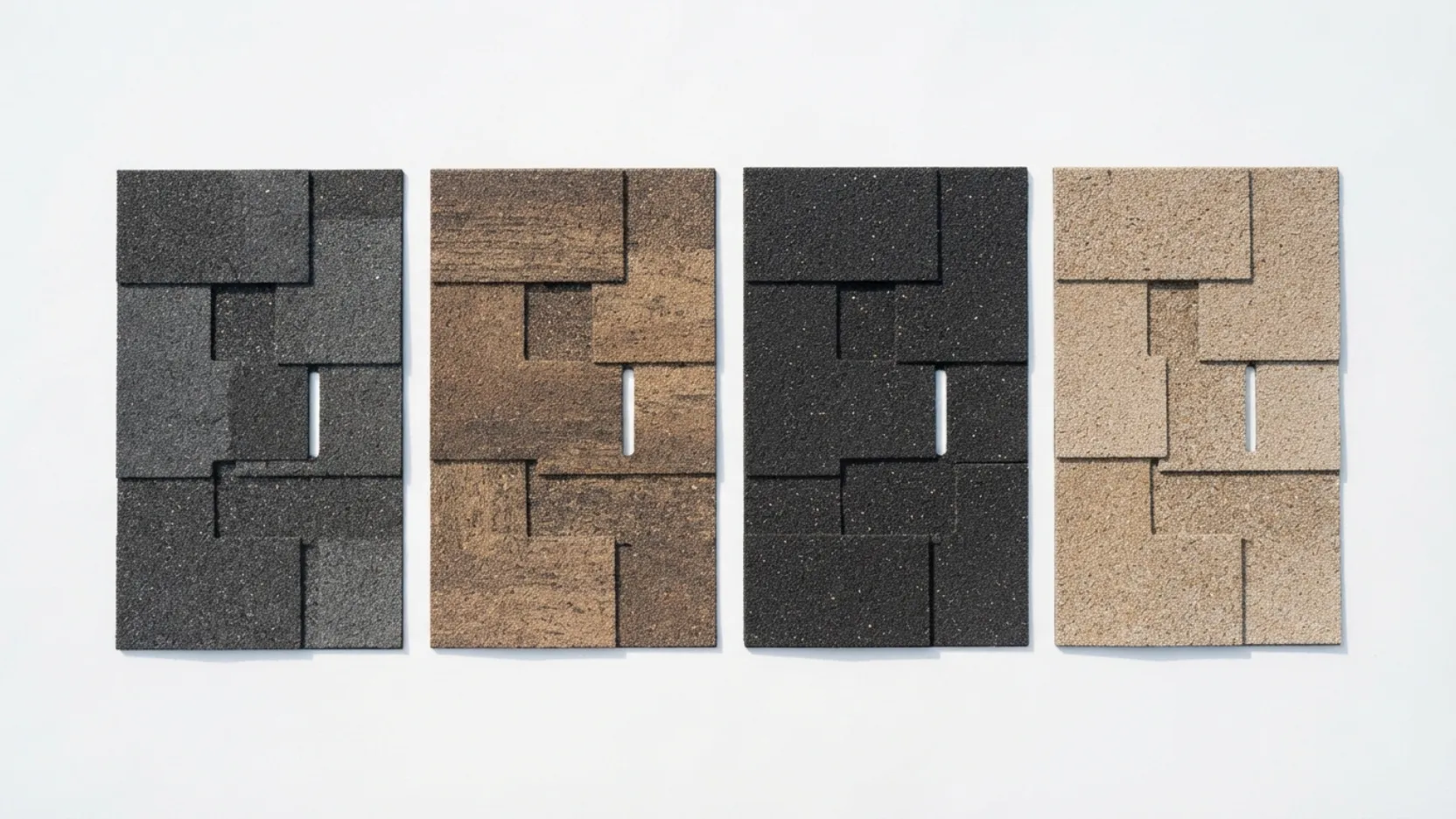
A three-tab asphalt shingle gets its name from the three evenly spaced cutouts along the bottom edge of each shingle strip. Those cutouts create the appearance of three separate shingles on the roof surface, even though each piece is a single strip approximately 36 inches wide and 12 inches tall. The uniform, flat profile is the defining visual characteristic of the three-tab style.
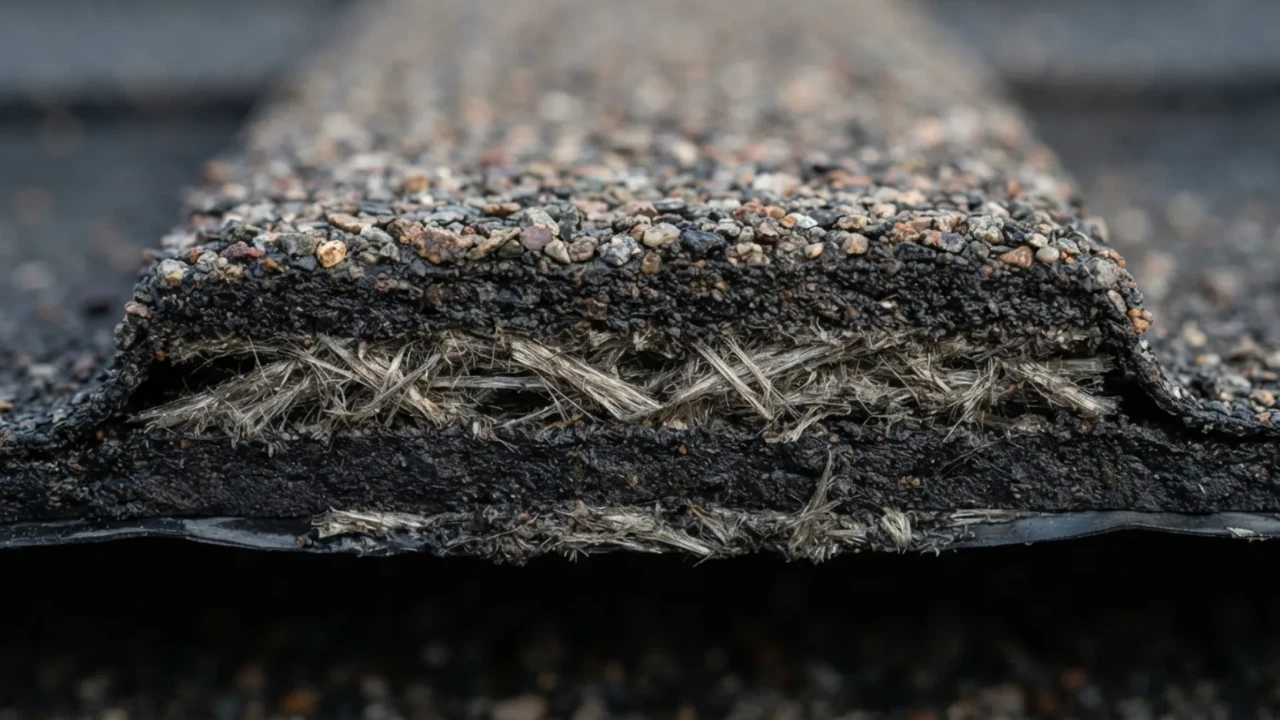
The construction of every three-tab shingle starts with a fiberglass mat core. Asphalt is applied to both sides of the mat to waterproof it and bond the granules. Ceramic-coated mineral granules are embedded into the top surface to protect the asphalt from UV degradation and provide the color. A self-sealing adhesive strip bonds overlapping shingles together once the roof heats up after installation.
What three-tab shingles are not: they are not a thick, dimensional product. They are a single-layer system with no depth or shadow line, which gives them a flat, uniform look on the roof. They weigh less than architectural shingles, typically 200 to 240 pounds per square, compared to 280 to 400 pounds per square for dimensional products.
- Product specification confirms fiberglass mat construction, not organic felt
- Shingle weight is at least 200 lbs per square lighter products cut corners on asphalt content
- Manufacturer’s product data sheet is available and matches the contractor’s description
- The product is from a brand with a verifiable manufacturer warranty, not a private-label import
- Shingles carry a Class A fire rating the highest available and standard for residential use
Quality Factors
Three-tab shingles at the low end of the price range are cheaper for a reason. Manufacturers reduce cost by using lighter fiberglass mats, thinner asphalt coatings, lower-quality granules, or reduced granule coverage. Every one of those cost reductions shortens the life of the shingle in a demanding climate like San Antonio’s. When you understand what to look for on a product data sheet, you can compare products honestly rather than just comparing price tags.
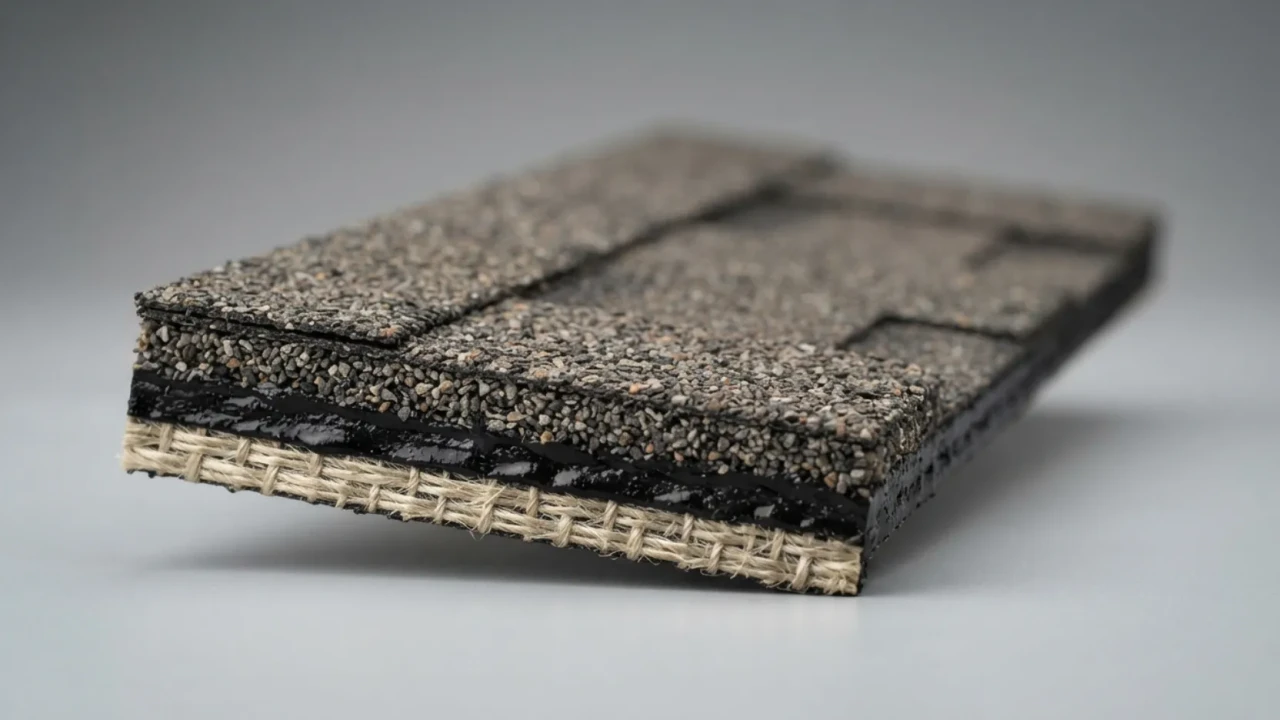
Granule quality is the most important factor for UV longevity in San Antonio. Granules protect the asphalt from direct sun exposure. When granules loosen and wash away, the asphalt underneath begins to oxidize, crack, and lose its waterproofing properties. Higher-quality granules use ceramic coating that bonds more firmly to the asphalt surface. Look for products that describe their granules as ceramic-coated or that carry an algae-resistant granule treatment, which also indicates a higher granule specification overall.
Asphalt content per square directly affects the shingle’s waterproofing performance and flexibility in temperature extremes. San Antonio roofs experience temperature swings of 60 degrees or more between a January night and a July afternoon. A shingle with adequate asphalt saturation flexes without cracking. A thin product becomes brittle faster and begins cracking at cutout edges and nail zones, which are the most common sources of early shingle failure.
Ask your contractor for the product’s ASTM D3462 test results. This is the standard specification for asphalt shingles, and it sets minimum requirements for breaking strength, tear resistance, and water absorption. Products that exceed the ASTM D3462 minimums are the ones worth specifying in a San Antonio climate. A contractor who cannot produce this information for the product they are proposing is either using an entry-level product or does not know their materials well enough to be trusted with the job.
- Request the ASTM D3462 test performance data for the specific product being quoted
- Confirm granule type: ceramic-coated granules outperform standard mineral granules in UV resistance
- Ask for the shingle weight per square: target 220 lbs or higher for a San Antonio application
- Verify the sealing strip is factory-applied and covers the full length of the shingle
- Check whether the product carries an algae-resistance rating, which indicates a higher granule specification
- Compare the fiberglass mat specification between competing products heavier mat means better tear resistance at nail zones
Climate Performance
Three-tab shingles have an inherent structural limitation compared to architectural products: they are a lighter, thinner, single-layer system. That means they are more vulnerable to wind uplift than dimensional shingles of the same brand. San Antonio sits in an active storm corridor, and strong thunderstorm wind events capable of lifting improperly sealed or inadequately rated three-tab shingles happen every year across Bexar County.
The critical factor is the wind speed rating printed on the shingle product data sheet and the warranty document. Standard three-tab shingles are rated for 60 mph wind resistance. Improved products carry an 80 mph rating. For a San Antonio home, the minimum acceptable wind rating for a three-tab shingle is 60 mph, and if you are in an area that has experienced repeated wind damage, stepping up to an 80 mph rated product is worth the modest additional cost.
Hail is a separate consideration from wind, and this is where three-tab shingles have a clear limitation. Standard three-tab shingles carry no meaningful impact resistance rating. They are not tested or rated for hail resistance under UL 2218 or FM 4473. That means a hail event large enough to cause damage will affect three-tab shingles earlier and more severely than it would affect a Class 4 impact-resistant architectural product. If you are choosing three-tab shingles specifically because of budget constraints, make sure your homeowner’s insurance policy covers hail damage on the product you are installing. Some Texas insurers offer a discount for Class 4 impact-resistant shingles; that discount can make upgrading to an architectural product financially worthwhile even if the upfront cost is higher.
Proper installation of the starter strip is the single most important wind resistance factor on a three-tab roof. The starter course runs along the eave edge and provides the adhesive backing for the first course of field shingles. A contractor who skips the starter strip or cuts the field shingles down to use as starters is compromising the wind resistance of the entire roof. Verify with your contractor that a purpose-made starter strip product will be used and applied to both the eave and rake edges of the roof.
- Confirm the wind speed rating on the product data sheet: minimum 60 mph, target 80 mph for San Antonio
- Verify that a purpose-made starter strip will be installed at both the eave and rake edges
- Ask whether the contractor hand-seals shingles when installation occurs in cooler temperatures
- Confirm that hip and ridge cap material carries the same or higher wind rating as the field shingles
- Check whether your insurance policy covers hail damage on three-tab shingles and at what threshold
- Ask whether upgrading to a Class 4 impact-resistant product qualifies for a Texas insurance premium discount
Color and Aesthetics
Color in three-tab shingles is more than an aesthetic choice in San Antonio. The color of the granule surface determines how much solar heat your roof absorbs, which directly affects your attic temperature and your air conditioning load every summer. Dark-colored asphalt shingles can reach surface temperatures of 160 to 175 degrees on a sunny July afternoon in San Antonio. That heat conducts into the attic and drives up cooling costs. A lighter shingle surface stays meaningfully cooler under the same conditions.
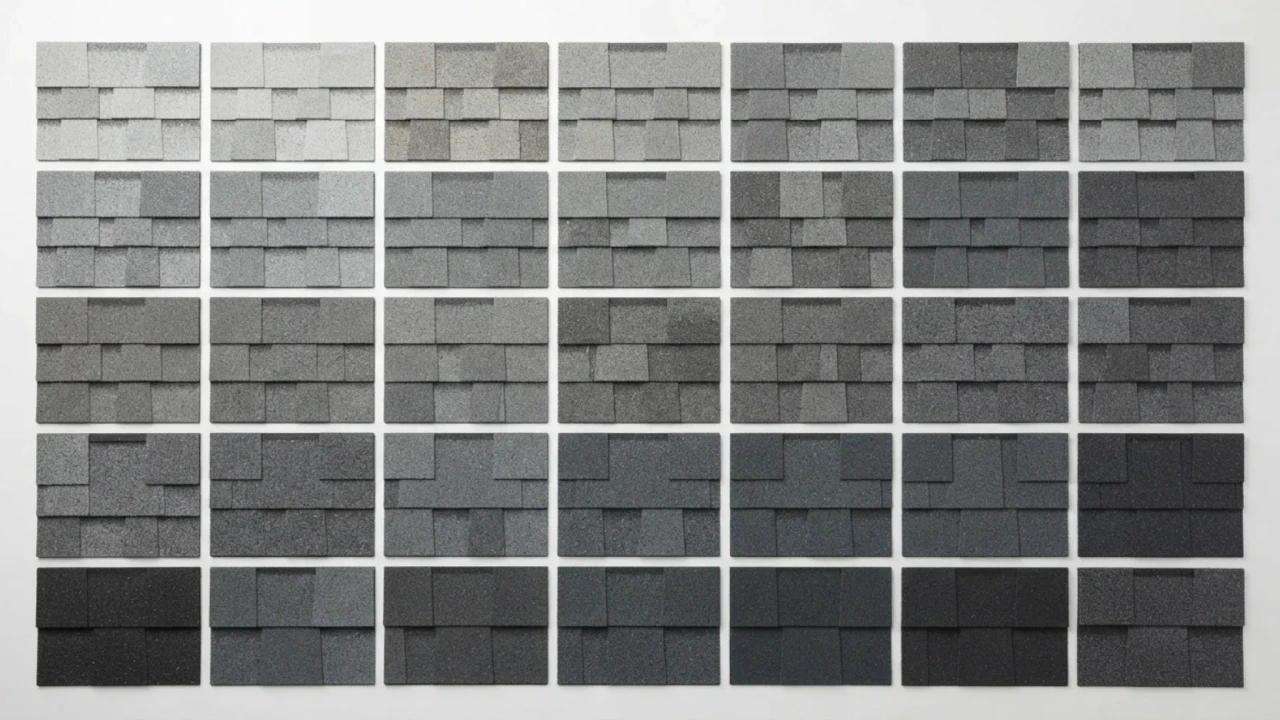
Three-tab shingles are available in fewer color options than architectural shingles because the flat, uniform profile does not show dimensional color blending as effectively. The most common and most practical color options for San Antonio homes fall into three categories.
| Color category | Common options | Heat performance | Best suited for |
|---|---|---|---|
| Light and neutral tones | White, light gray, tan, light beige | Best: reflects more solar heat, lowest attic temps | Homes focused on energy efficiency; ENERGY STAR eligible colors |
| Mid-range tones | Medium gray, weathered wood, desert sand | Moderate: balance of aesthetics and heat performance | Most San Antonio home styles; blends well with stucco and brick |
| Dark tones | Charcoal, dark brown, black | Poorest: absorbs maximum heat; highest cooling load | Homes where aesthetics override energy efficiency considerations |
Beyond heat performance, consider how the color will look against your home’s exterior in 10 years rather than just at installation. Three-tab shingles tend to show granule weathering more visibly than architectural products because the flat surface highlights color changes uniformly. A medium gray or weathered wood tone tends to age more gracefully than either a very light tone (which shows algae staining readily) or a very dark tone (which shows chalking and color fade).
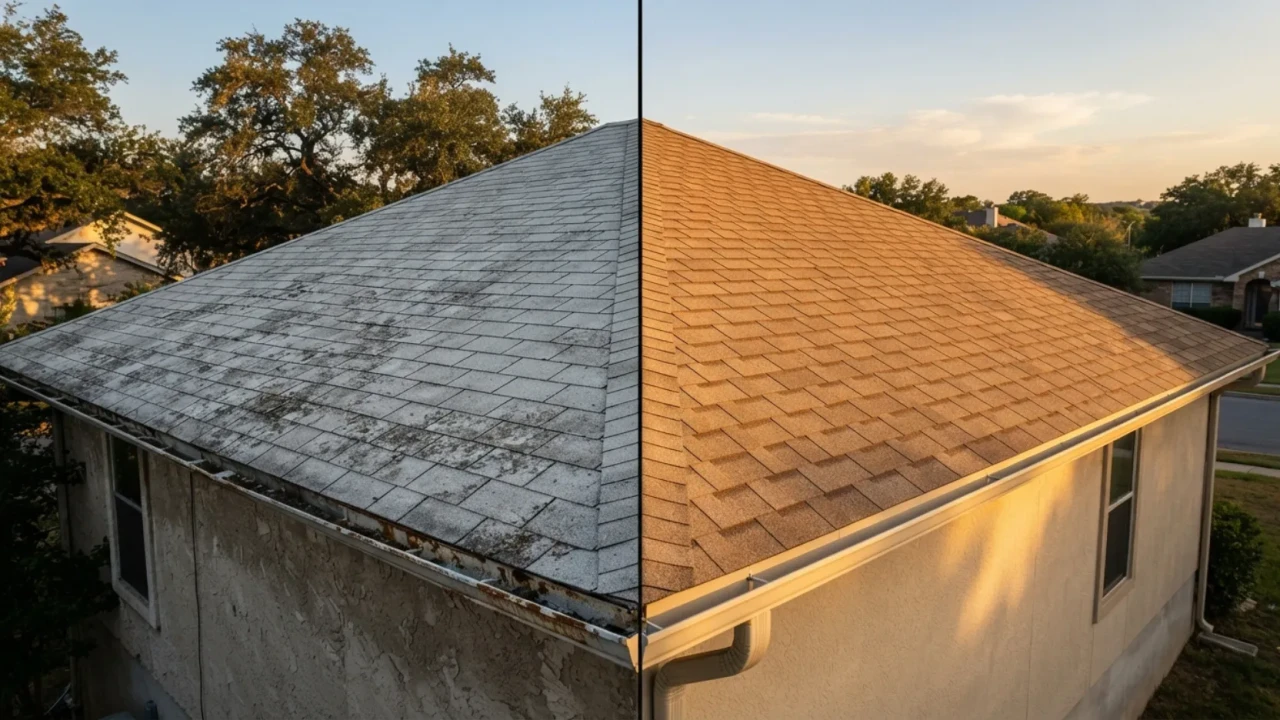
If you are selecting a light-colored three-tab shingle, look specifically for products that include an algae-resistant granule treatment. Light-colored shingles in humid San Antonio weather are more prone to showing the black streaking caused by Gloeocapsa magma algae. An algae-resistant product with copper or zinc granules built into the surface will resist those stains for the first 10 years of the roof’s life. Without that treatment, you may be cleaning black streaks off a light-colored roof within five to seven years of installation.
- Choose a lighter color tone when energy efficiency is a priority in your decision
- Check whether light-colored products carry an algae-resistance treatment to prevent black streak staining
- View the shingle color in full sun at the time of purchase, not just indoors under artificial light
- Consider how the color reads against your home’s brick, stucco, or siding color before finalizing
- Ask the manufacturer or contractor how the specific color is expected to weather over 10 to 15 years
- Confirm your HOA guidelines allow the color you have selected before ordering material
Warranty and Install
Three-tab shingle warranties are frequently misunderstood by homeowners, and that misunderstanding leads to real disappointment when the roof fails before the warranty period ends. The number printed on the bag 25 years, 30 years is the coverage period under ideal conditions with prorated terms that reduce what the manufacturer will pay the longer the shingle has been installed. Understanding what the warranty actually covers, and what voids it, is essential before you commit to a product.
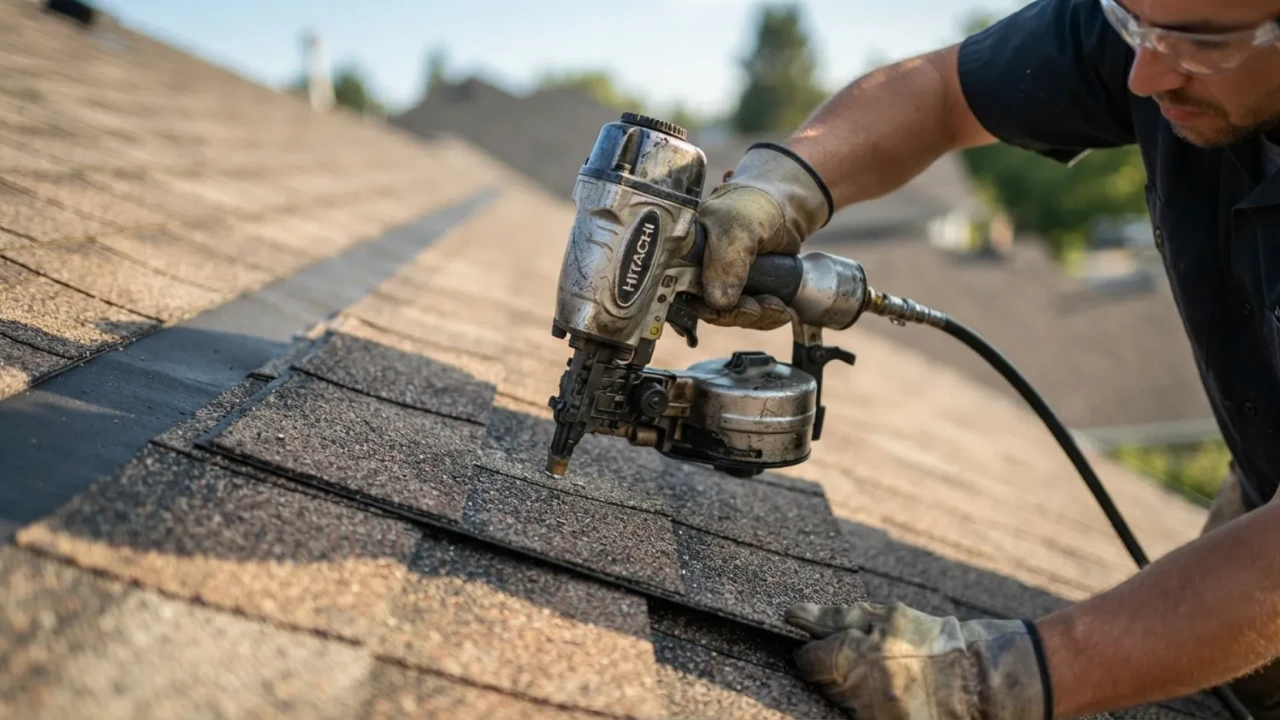
What the warranty covers: Most manufacturer warranties cover defects in the shingle material itself. They do not cover wind damage below a stated wind speed, damage from hail, improper installation, inadequate ventilation, or installation over an existing roof. The coverage is also prorated: if your shingle fails at year 12 under a 25-year warranty, you will not receive the full replacement value. The manufacturer typically pays a fraction of the current replacement cost based on how much of the warranty period has elapsed.
What voids the warranty: This is the section most homeowners skip, and it is the one that matters most. Common warranty voidance conditions include installation over more than one layer of existing roofing, inadequate attic ventilation, installation by a contractor not registered with the manufacturer, and failure to follow the manufacturer’s nailing pattern specification. Ventilation is particularly important: most manufacturers require a minimum ratio of attic ventilation to roof square footage, and a roof installed over a chronically under-ventilated attic will fail earlier and may not be covered.
The workmanship warranty from your contractor matters as much as the manufacturer’s material warranty. A quality roofing contractor in San Antonio will provide a separate written warranty on their installation work, typically for two to five years. This covers problems caused by installation errors rather than product defects. When comparing contractor quotes, ask each one to describe their workmanship warranty in writing. A contractor who will not put a workmanship warranty in writing is telling you something important about how confident they are in their own installation quality.
- Read the warranty document before signing: understand the proration schedule and what causes voidance
- Confirm the contractor will assess and address attic ventilation before installation inadequate ventilation voids most warranties
- Ask whether the contractor is a registered installer with the shingle manufacturer for enhanced warranty eligibility
- Request a written workmanship warranty from the contractor separate from the manufacturer’s material warranty
- Confirm the number of existing shingle layers on the roof: installing over two layers voids the warranty
- Verify the contractor carries at least $1 million in general liability insurance and is licensed in Texas
- Get at least two written quotes before committing: itemized by material and labor separately
These ranges reflect real San Antonio market pricing in 2026 for a complete shingle installation including tear-off, underlayment, starter strip, and ridge cap. Costs vary based on roof pitch, access, and total square footage.
| Factor | Entry-level three-tab | Mid-grade three-tab | Premium three-tab |
|---|---|---|---|
| Fiberglass mat weight | Minimum spec | Mid-weight | Heavier mat |
| Granule type | Standard mineral | Standard to ceramic-coated | Ceramic-coated; algae resistant |
| Wind rating | 60 mph | 60 to 80 mph | 80 mph |
| Warranty term (prorated) | 20 to 25 years | 25 to 30 years | 30 years |
| Expected San Antonio lifespan | 12 to 15 years | 18 to 22 years | 20 to 25 years |
| Algae resistance | None standard | Optional upgrade | Included |
| Installed cost per square (SA, 2026) | $80 to $100 | $100 to $120 | $130 to $160 |
| Impact resistance rating | None | None | None standard |
- Confirm fiberglass mat construction, not organic felt
- Verify shingle weight of at least 200 lbs per square from the product data sheet
- Choose a product with a minimum 60 mph wind rating; target 80 mph for better storm performance
- Select ceramic-coated granules over standard mineral granules for better UV resistance in San Antonio
- Add algae-resistant granule treatment if selecting a light or medium color tone
- Read the warranty proration schedule before purchasing confirm what percentage is paid at year 10 and year 15
- Starter strip installed at both eave and rake edges using a purpose-made starter strip product
- Synthetic underlayment specified instead of felt paper for better heat and moisture resistance
- Ice and water shield applied at all eave edges, valleys, and penetrations
- Attic ventilation assessed and confirmed adequate before installation begins
- Nailing pattern confirmed as specified by the manufacturer for the wind rating you are purchasing
- Hip and ridge cap product matches or exceeds the field shingle wind rating
- Contractor provides a written workmanship warranty separate from the manufacturer material warranty
- Certificate of insurance confirmed with at least $1 million general liability coverage
- Written quote is itemized: tear-off, underlayment, starter strip, field shingles, ridge cap, and labor listed separately
- Number of existing shingle layers confirmed before contract is signed
- Disposal of old shingles included in the written quote
- At the premium three-tab price point, ask the contractor to also quote an entry-level architectural product for comparison
How long do three-tab shingles last in San Antonio?
Are three-tab shingles still a good choice for San Antonio homes in 2026?
What is the difference between three-tab and architectural shingles?
What color three-tab shingles should I choose for my San Antonio home?
How much do three-tab shingles cost to install in San Antonio in 2026?
What should I look for when comparing three-tab shingle quotes from San Antonio contractors?
Get a free shingle roof estimate in San Antonio
Not sure whether three-tab or architectural shingles are the right call for your home? We will walk your roof, assess your ventilation, and give you a side-by-side written estimate for both options at no cost.
[/et_pb_code][/et_pb_column][/et_pb_row][/et_pb_section]