
[et_pb_section fb_built=”1″ admin_label=”section” _builder_version=”4.16″ global_colors_info=”{}”][et_pb_row admin_label=”row” _builder_version=”4.16″ background_size=”initial” background_position=”top_left” background_repeat=”repeat” global_colors_info=”{}”][et_pb_column type=”4_4″ _builder_version=”4.16″ custom_padding=”|||” global_colors_info=”{}” custom_padding__hover=”|||”][et_pb_code _builder_version=”4.27.8″ _module_preset=”default” hover_enabled=”0″ sticky_enabled=”0″]
Most San Antonio homeowners never read their roofing warranty until there is a problem. By then it is often too late to claim coverage they were entitled to. This guide breaks down every warranty type, what each one covers, what voids coverage, and exactly what to ask your contractor before the first shingle goes on.
When you invest in a new roof for your San Antonio home, you are also purchasing protection a promise that if something goes wrong, someone is going to cover the cost of fixing it. That promise comes in the form of a warranty. But most homeowners receive a warranty document at the end of the job, tuck it in a drawer, and never look at it again until a leak shows up three years later.
By then, the questions start: Is this covered? Who do I call? Did I do something to void the warranty? Why won’t the manufacturer pay? These are questions that have very clear answers before the roof goes on and very complicated answers afterward if you did not know what to ask upfront.
This guide explains every type of roofing warranty you will encounter as a San Antonio homeowner, what each one actually covers, the specific conditions that void coverage, and the steps you need to take right now to protect the warranty you already have or are about to receive.
A roofing warranty is a conditional promise. Manufacturers and contractors offer coverage based on specific requirements being met: correct installation methods, certified contractors, registered products, and ongoing maintenance. Every one of those conditions is a potential gap where coverage can be denied. The homeowners who successfully use their warranties are the ones who understood the conditions before the job started not after the first leak appeared.
Manufacturer
A manufacturer’s warranty is a promise from the company that made your roofing materials most commonly the shingle manufacturer in residential San Antonio applications. This warranty covers defects in the material itself: shingles that crack, granule loss that happens prematurely, adhesive strips that fail before expected, or material that does not perform to its rated specifications under normal conditions.
What it does not cover is equally important. Manufacturer warranties do not pay for the labor required to tear off the defective material, the labor to install replacement material, or any interior damage caused while the defective material was in place. You receive replacement material only unless you paid for an upgraded enhanced warranty program that includes labor, which some manufacturers offer through their certified installer networks.
Standard coverage: Defects in the roofing material that cause failure before the rated warranty period. The most common claim under a standard manufacturer warranty is premature granule loss, which causes accelerated UV degradation and shortens the roof’s effective lifespan.
Enhanced coverage: Premium warranty tiers offered by manufacturers like GAF, CertainTeed, and Owens Corning include labor costs, full system coverage (not just the shingle), and extended periods. These are only available when the installation is performed by a manufacturer-certified contractor using a qualifying product system.
| Warranty tier | What it covers | Labor included | Typical term |
|---|---|---|---|
| Standard material warranty | Shingle defects only | No | 25 to 30 years (prorated) |
| Limited lifetime warranty | Material defects for the life of the structure | No | Lifetime of original owner |
| System plus warranty | Full roofing system: shingles, underlayment, accessories | Sometimes | 25 to 50 years (varies) |
| Enhanced / platinum warranty | Material plus labor plus tearoff | Yes | 25 to 50 years (non-prorated) |
- Manufacturer warranty documents received with product name, warranty tier, and term length written out
- Warranty registration completed by contractor or confirmation provided that you must register yourself
- Registration deadline noted typically 30 to 60 days from installation date
- Prorated vs. non-prorated status confirmed prorated warranties pay less the older the roof gets
- Transfer terms confirmed if you plan to sell the home some warranties are non-transferable
Workmanship
The workmanship warranty also called the labor warranty or installation warranty comes from the roofing contractor, not the manufacturer. It covers problems that result from how the roof was installed: improperly driven nails, incorrect shingle alignment, missed flashing details, poor valley installation, or any other error in the installation process that causes a failure.
This is often the more important warranty for San Antonio homeowners to scrutinize, because most residential roofing failures in the first five years of a roof’s life are installation errors, not material defects. A shingle that starts leaking two years after installation almost always points to a flashing error, an incorrect nail pattern, or a missed sealing step all workmanship issues that the contractor is responsible for.
The length and terms of a workmanship warranty are a direct reflection of the contractor’s confidence in their own installation quality. A contractor offering only a one-year workmanship warranty is telling you something about how they view the durability of their own work. Reputable San Antonio roofing contractors routinely back their installations with five to ten year workmanship warranties. Contractors who participate in manufacturer certification programs can offer even longer coverage because the manufacturer co-guarantees the installation.
Always get the workmanship warranty in writing before signing a roofing contract. A verbal promise of a “five-year warranty” from a salesperson means nothing if the written contract says one year or says nothing at all. Read the warranty section of every roofing contract before you sign it. If there is no warranty clause, ask for one in writing before work begins. A contractor who refuses to put their warranty commitment in writing is a contractor whose warranty commitment is not worth having.
- Workmanship warranty term confirmed in writing not verbally before signing the contract
- What the warranty covers defined: leaks from installation errors, flashing failures, nail pattern issues
- What the warranty does not cover defined: storm damage, homeowner modifications, debris damage
- Contractor’s business registration and license number verified a warranty from an unlicensed contractor is difficult to enforce
- Process for filing a workmanship claim confirmed: who to call, how to document, response time commitment
Void Conditions
This section may be the most valuable part of this entire guide. Warranty voidance is the reason most roofing warranty claims in San Antonio get denied. The homeowner assumed the damage was covered. The manufacturer or contractor pointed to a clause in the warranty document that the homeowner never read. The coverage was gone often years before the failure occurred and neither party knew about it until the claim was filed.
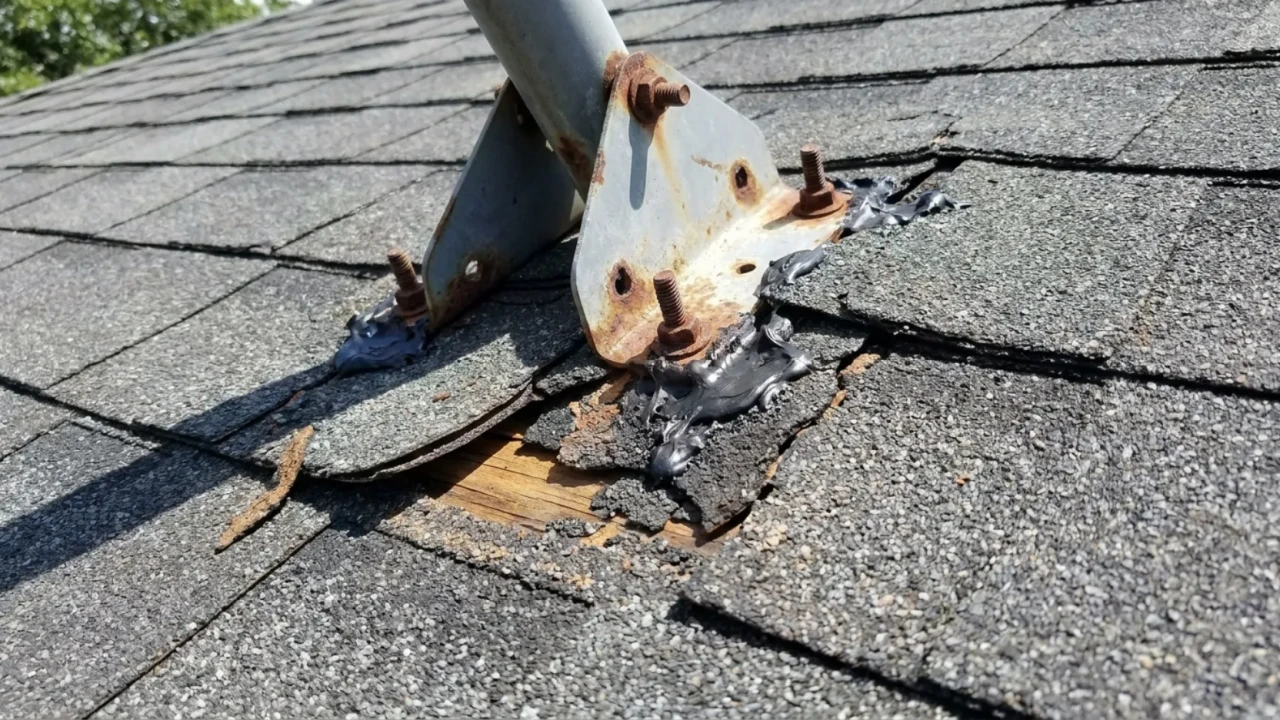
Unauthorized roof penetrations: Any penetration made through the roof surface after installation a satellite dish, a solar panel mounting bracket, an HVAC curb, an attic fan can void warranty coverage if it was not installed following the manufacturer’s approved methods. Manufacturers require specific flashing methods around new penetrations. A hole drilled through the roof deck and sealed with roofing cement does not meet that standard.
Improper ventilation: This is the single most common cause of warranty voidance on San Antonio asphalt shingle roofs. Manufacturers specify minimum ventilation ratios for attic spaces. When a home has insufficient ventilation, heat and moisture build up in the attic space and cause the shingles to age from the underside. This accelerated granule loss and blistering is a material failure but it is caused by an installation or building condition that the manufacturer excludes from coverage.
Pressure washing: High-pressure washing of asphalt shingles strips protective granules from the shingle surface. This is explicitly excluded in virtually every shingle manufacturer’s warranty in the country. Homeowners who pressure wash their roofs to remove algae or debris unknowingly void their material warranty at the same time.
Walking on the roof improperly: Foot traffic on certain roofing materials particularly tile and some single-ply membranes can crack or displace the material. Warranties for these systems often require that foot traffic be minimized and limited to designated walkway areas. Allowing tradespeople on the roof without protecting the surface can void coverage.
Using non-manufacturer-approved repair products: If a small section of your roof is repaired between installation and a warranty claim, using a sealant, patch material, or underlayment that is not on the manufacturer’s approved product list can void coverage on the repaired area and sometimes on the entire roof. Always call your contractor before applying any product to a roof under warranty.
- Attic ventilation verified at installation ask for confirmation that ventilation meets manufacturer minimums
- No pressure washing of the roof surface ever use low-pressure rinse or professional soft-wash only
- Any new penetration after installation must be done by a contractor who follows the manufacturer’s flashing requirements
- Rooftop equipment (solar, HVAC, satellite) must be installed using manufacturer-approved mounting methods
- All repairs use only manufacturer-approved compatible products when in doubt, call the original contractor
- Warranty documentation kept on file including the original installation date and product specifications
Claims Process
When something goes wrong with a roof that is still under warranty, most homeowners make one of two mistakes: they wait too long to report the problem, or they allow repairs to be made before properly documenting the condition. Both of those mistakes can result in a denied claim, even when the underlying failure is clearly covered.
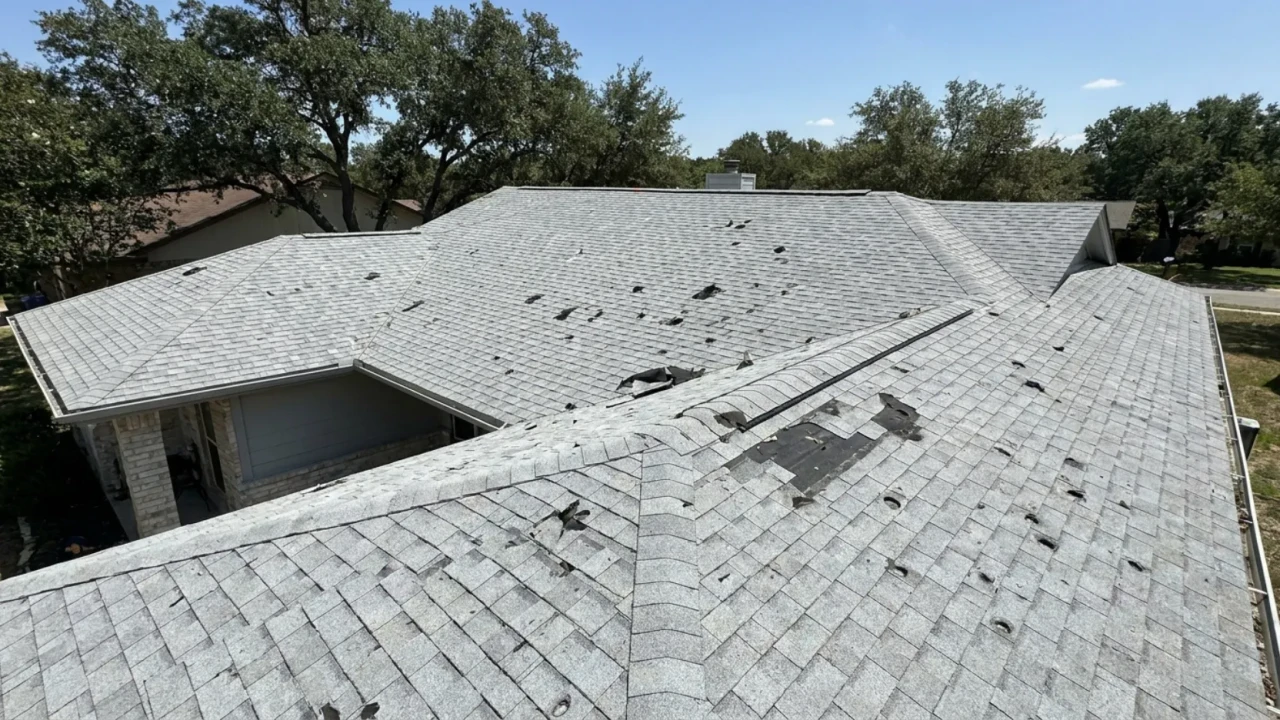
Step 1 – Document before touching anything: When you discover damage that may be covered by a warranty, take dated photographs immediately. If there is an active leak, place buckets to catch water and document the interior damage, but do not start tearing out materials or make any permanent repairs until the warranty claim process is started.
Step 2 – Notify both parties within the warranty window: Contact your contractor for a workmanship claim. Contact the manufacturer’s customer service line for a material defect claim. Most warranties require written notification within 30 to 90 days of discovering the defect. Waiting until the next season is a common mistake that results in a claim being denied as untimely.
Step 3 – Request an inspection in writing: After notifying the warranting party, request a written confirmation of the inspection appointment. A phone call with a verbal promise to “send someone out” is not a filed warranty claim. You want documentation that the claim was received and that an inspection is scheduled.
Step 4 – Get the determination in writing: Whether the claim is approved or denied, get the outcome in writing. If the claim is denied, the denial letter must cite the specific warranty clause or exclusion being applied. A vague denial of “not covered” is not an acceptable response. Ask for the specific language from the warranty document that supports the denial.
You are allowed to dispute a warranty claim denial. If your claim is denied and you believe the denial is incorrect, you have options. Start by requesting the specific exclusion language in writing. Compare it to your situation honestly. If the denial appears to misapply the warranty terms, put your dispute in writing to the manufacturer’s customer service department and reference the specific warranty language you believe supports coverage. For larger claims, a public adjuster or roofing attorney familiar with Texas contractor law can help you navigate a denial that appears unjustified.
- Dated photographs of all damage taken before any repairs or cleanup
- Interior water damage documented including affected rooms, flooring, and ceiling materials
- Written notification sent to contractor within the warranty notification window
- Written notification sent to manufacturer if material defect is suspected
- Original installation documents available: contract, warranty certificates, product receipts
- All claim communications kept in writing email or certified mail, not phone calls alone
Transferability
If you are planning to sell your San Antonio home within the warranty period of your roof, the transferability of that warranty matters significantly. A transferable warranty gives the next buyer confidence in the roof and can be a genuine selling point in a competitive market. A non-transferable warranty provides zero value to the buyer once the home changes hands and that affects how buyers and their agents perceive the roof’s remaining useful life.

Manufacturer warranties: Many manufacturer warranties are transferable once during the life of the original installation, but the transfer is not automatic. Most require a formal transfer application submitted to the manufacturer within 30 to 60 days of the home sale closing. The new owner must initiate this process. If the transfer window passes without the application being filed, the warranty protection for the new owner is lost even though the original warranty was technically transferable.
Workmanship warranties: Contractor workmanship warranties are far less commonly transferable. Many are issued only to the original property owner. When a San Antonio home sells, the workmanship warranty from the original installer often terminates at closing unless the contractor’s written warranty document specifically states that it transfers to subsequent owners. This is worth clarifying before you select a roofing contractor if home resale is a consideration for you.
What buyers should ask: Any buyer purchasing a San Antonio home with a roof that is less than 15 years old should ask the seller for the original roofing contract, the manufacturer warranty documents, the product installation records, and the workmanship warranty. If those documents are not available, the roof is effectively unwarranted regardless of its age and the buyer should factor that into their offer or request a home sale roof inspection at the seller’s expense.
- Manufacturer warranty transfer terms reviewed: is it transferable, how many times, and within what timeframe after sale
- Transfer application prepared and filed within the required window after closing typically 30 to 60 days
- Workmanship warranty transfer terms reviewed: most terminate at sale unless specifically stated otherwise
- All original roofing documents collected and included in home sale documentation package
- New owner notified of any remaining registration or transfer steps they must complete
- New owner provided with contact information for both the manufacturer and the original installing contractor
Understanding which warranty applies to which type of problem is the fastest way to know who to call when something goes wrong. Use this reference before filing any claim.
| Issue type | Who is responsible | Warranty to file under | Documentation needed |
|---|---|---|---|
| Shingles cracking or curling prematurely | Manufacturer | Manufacturer material warranty | Photos, installation date, product name |
| Rapid granule loss on new shingles | Manufacturer | Manufacturer material warranty | Photos, product lot number if available |
| Leak from flashing not sealed correctly | Contractor | Workmanship warranty | Photos, installation contract, written notice |
| Leak from nails driven at wrong angle | Contractor | Workmanship warranty | Inspection report, photos, written notice |
| Ridge cap blowing off in wind | Contractor (if installation error) | Workmanship warranty | Photos, installation records |
| Blistering caused by poor attic ventilation | Neither excluded condition | Likely denied by both parties | Ventilation calculation records help dispute |
| Hail damage to shingles | Homeowners insurance | Not a warranty issue file an insurance claim | Storm date, hail size documentation, inspection |
- Contractor’s license number, insurance certificate, and Better Business Bureau standing verified
- Manufacturer certification status confirmed ask for the certification number if they claim to be a certified installer
- Workmanship warranty term, coverage scope, and transfer terms reviewed in the written contract
- Manufacturer warranty tier identified and the registration requirement confirmed
- Roofing system fully specified: shingle brand, underlayment, ridge vent, starter strip, ice and water shield
- Manufacturer warranty certificate received with product name, tier, and coverage period stated
- Warranty registration completed or deadline confirmed for self-registration
- Workmanship warranty document received in writing with expiration date and claim contact
- Installation photos requested from contractor a good contractor documents the installation for warranty purposes
- Attic ventilation confirmation received this protects the manufacturer warranty from a ventilation-based exclusion
- No pressure washing of the roof surface ever
- Any new roof penetration handled by a qualified contractor using manufacturer-approved methods
- Annual visual inspection from the ground to catch developing issues before they become warranty claims
- Gutters cleaned twice per year backed-up gutters cause water intrusion that can void warranties
- All roofing documents stored securely: warranty certificates, installation contract, product data sheets
What is the difference between a manufacturer warranty and a workmanship warranty on a roof?
How long should a roofing warranty last in San Antonio?
Does a new roof warranty transfer to the new owner when I sell my home?
What are the most common reasons a roofing warranty claim gets denied?
Does homeowners insurance cover roof failures that are under warranty?
What should I do if my roofing warranty claim is denied?
Questions about your roof warranty in San Antonio?
Whether you need a warranty inspection, are dealing with a denied claim, or want to make sure a new installation is properly registered and documented, our team can help. Free inspections, honest answers, no pressure.
[/et_pb_code][/et_pb_column][/et_pb_row][/et_pb_section]