Metal costs more up front than asphalt shingles. That much is not in question. What is worth asking is whether the extra money buys you something real over the life of the roof, or whether you are simply paying more for the same outcome. This guide breaks down what you actually get for the added cost and who it makes sense for.
If you have priced out a new roof in San Antonio, you already know the sticker shock. A metal roof can run two to three times what an asphalt shingle roof costs for the same house. That gap is real, and no honest contractor will tell you otherwise. The question that actually matters is not whether metal costs more. It is whether the extra cost buys you enough value to justify writing the bigger check today.
The answer is not the same for every homeowner. It depends on how long you plan to stay in the house, what your roof has to deal with each year, and what you value most: the lowest possible upfront price, or the lowest total cost over time. This guide walks through the real numbers so you can make that call with confidence instead of guesswork.
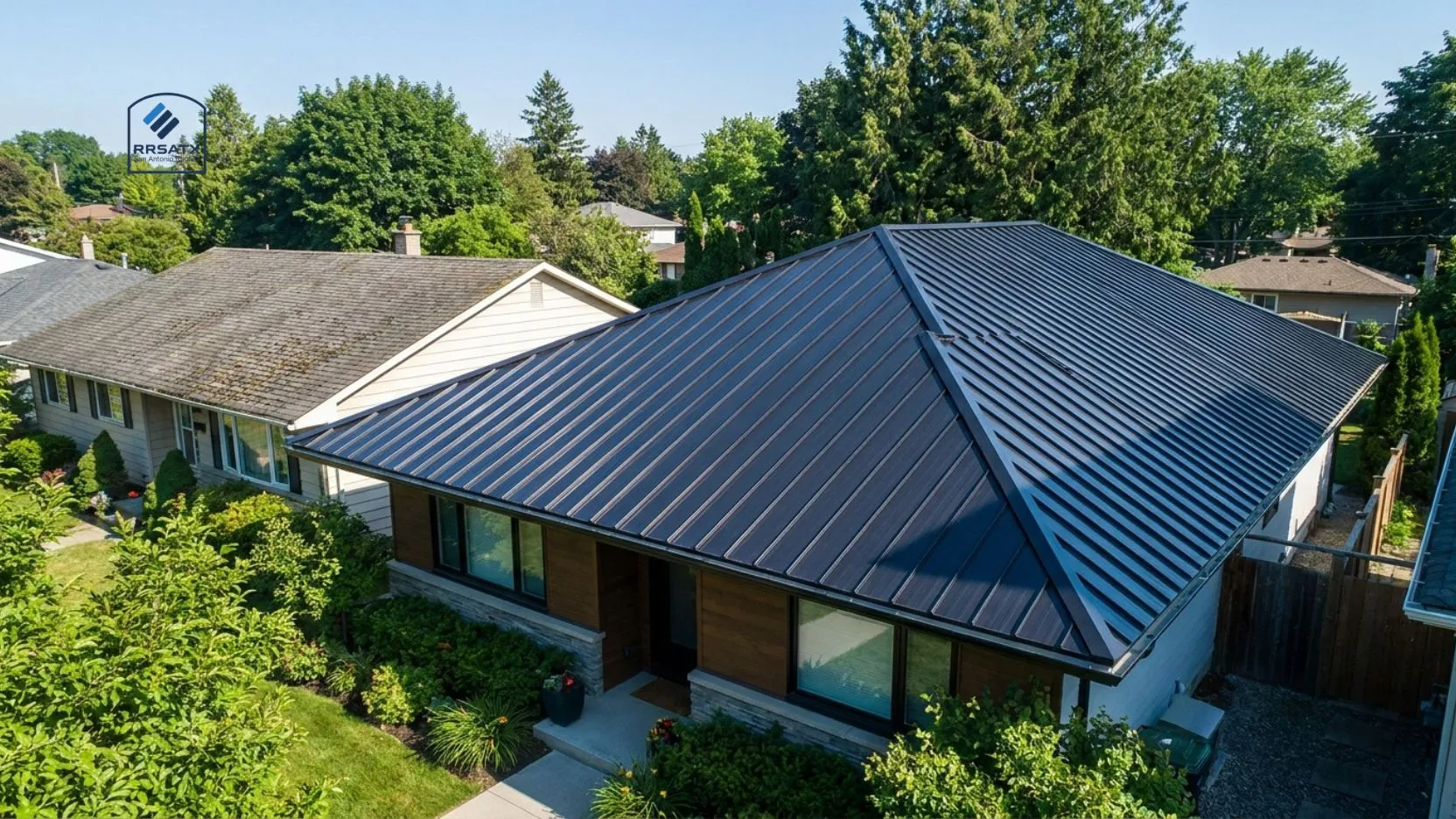
Metal roofing earns back its higher price through a longer lifespan, lower maintenance costs, reduced energy bills, and in many cases a discount on your homeowners insurance. The math favors metal most clearly for homeowners who plan to stay in their house long term. If you are planning to sell within the next three to five years, the calculation shifts, and we cover that scenario further down.
An asphalt shingle roof in San Antonio lasts 15 to 20 years under good conditions, and Texas heat plus regular hailstorms often push that number toward the lower end. A metal roof installed correctly and maintained will last 40 to 70 years depending on the material and panel type. That means a homeowner who installs metal once may never pay for a roof again, while a homeowner who installs shingles is very likely paying for at least one full replacement, and possibly two, over the same period.
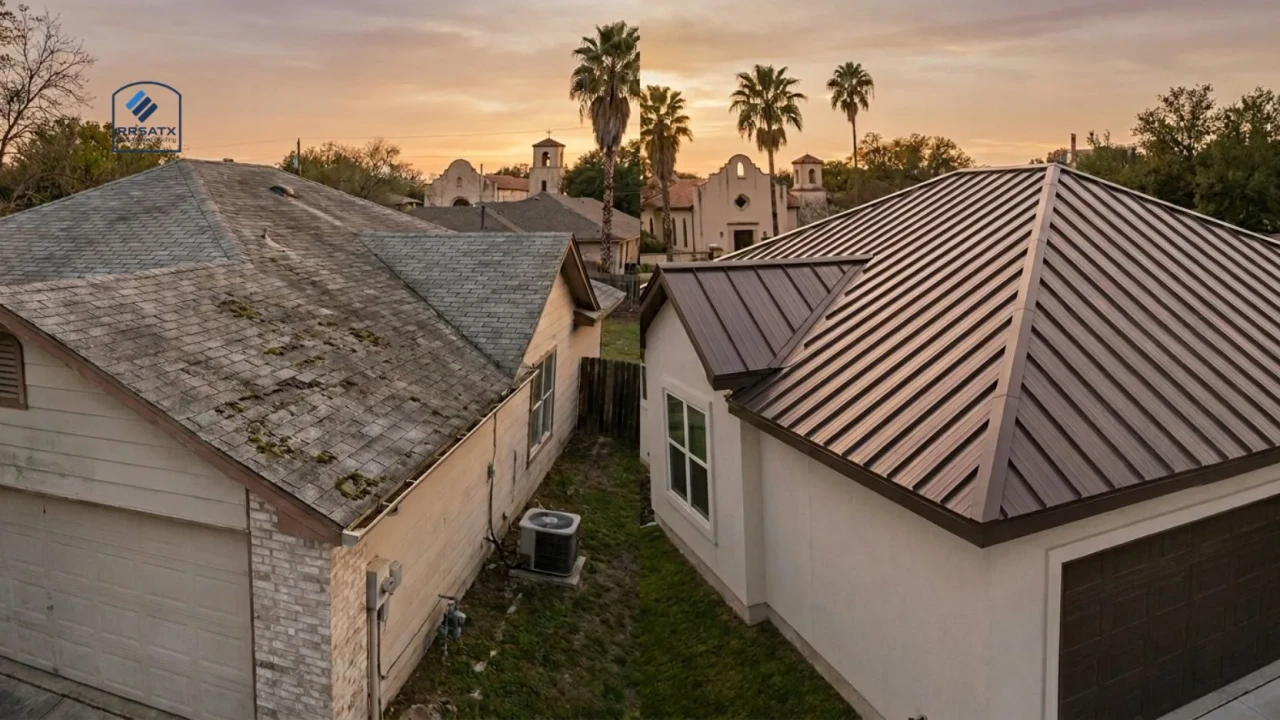
Asphalt shingles: 15 to 20 years average in San Antonio, often shorter on south facing and west facing slopes that take the worst of the afternoon sun.
Standing seam and screw down metal: 40 to 70 years with normal maintenance, backed by manufacturer warranties that frequently run 30 to 50 years on the panel finish.
- How many years do you realistically plan to own this home
- What is the manufacturer warranty length on the specific metal product being quoted
- Is the install being done by a contractor experienced specifically with metal panel systems
- Does the quote include proper fastener and flashing detail that protects the long lifespan
San Antonio sits in one of the more active hail regions in the country, and that reality drives a lot of roofing decisions here. Asphalt shingles can lose granules, crack, or bruise under hail impact, sometimes badly enough to need a full replacement after a single severe storm. Metal roofing, especially standing seam systems, handles hail impact without the same risk of total loss. Most metal roofs come through a hailstorm with cosmetic denting at worst, while the underlying weatherproofing stays intact.
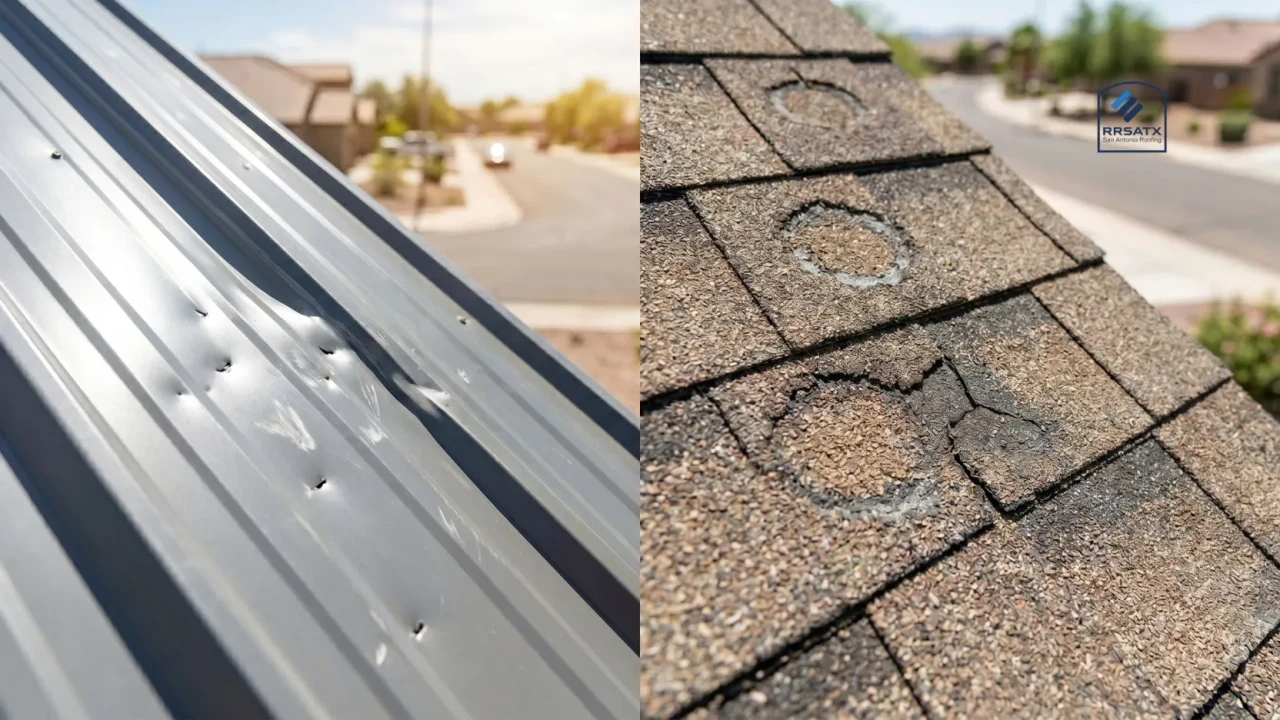
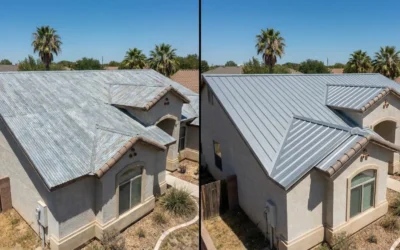
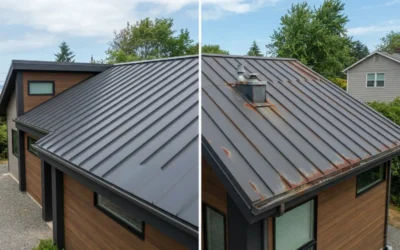
Comparing the two materials side by side after a storm makes the difference easy to see. Shingles tend to show visible bruising, cracking, or bald patches where granules have come loose. Metal panels may dent but generally keep their seal, which is the part that actually protects the inside of the home.
Many Texas insurers offer a discount for impact resistant metal roofing. A Class 4 impact rating, which most metal roofing qualifies for, can reduce your homeowners insurance premium because the insurer expects fewer hail damage claims over the life of the policy. That discount partially offsets the higher upfront cost every single year you own the home. We cover the specific savings numbers in a separate guide focused entirely on metal roofing and insurance premiums.
- Has your property had repeated hail damage claims on a prior shingle roof
- Does your insurer offer a documented discount for impact resistant or Class 4 roofing
- What panel type and gauge is being quoted, since thinner panels dent more easily
- Is the roof pitch and slope direction one that takes heavy storm exposure
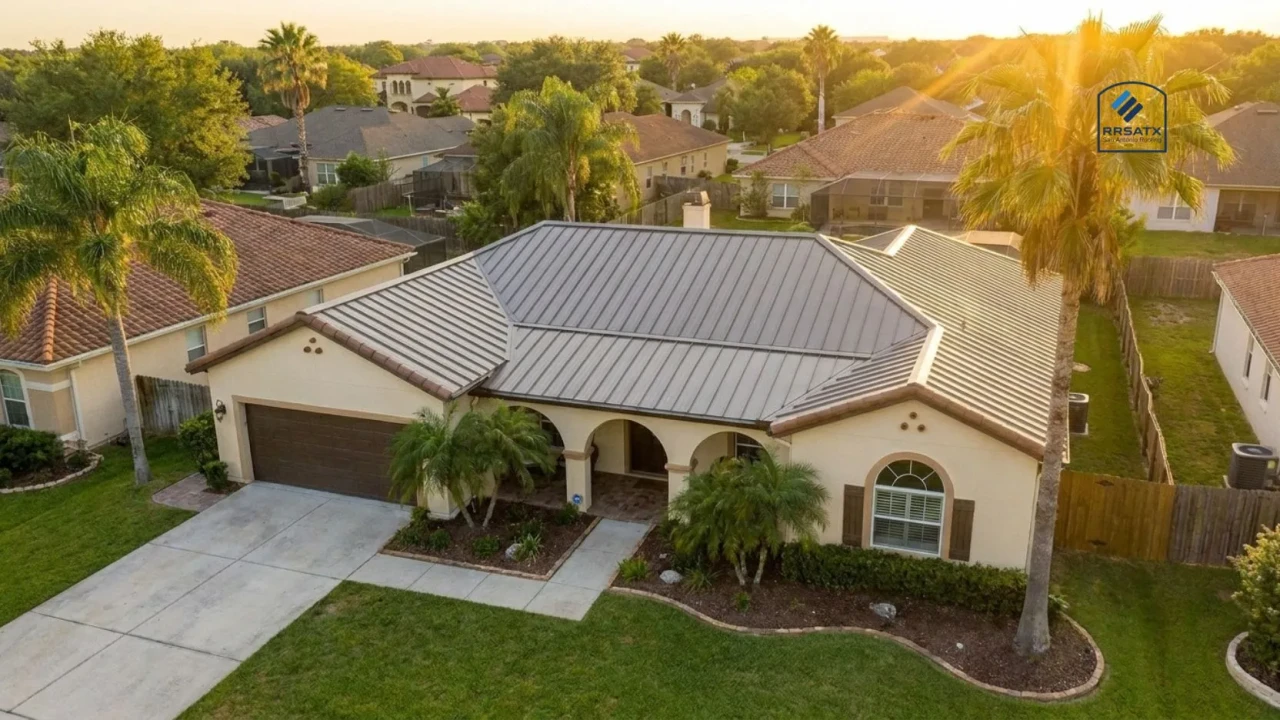
San Antonio summers regularly push past 100 degrees Fahrenheit for weeks at a time, and a large share of a home's cooling load comes directly from heat absorbed through the roof. Asphalt shingles absorb and hold heat, transferring much of it into the attic space below. Metal roofing, particularly with a reflective or cool roof coating, reflects a significant portion of solar radiation instead of absorbing it.
Homeowners who switch from asphalt shingles to coated metal panels commonly report a noticeable drop in summer cooling costs. The exact savings depend on attic insulation, ventilation, and the specific coating used, but the effect is consistent enough that it shows up reliably on summer electric bills across San Antonio.
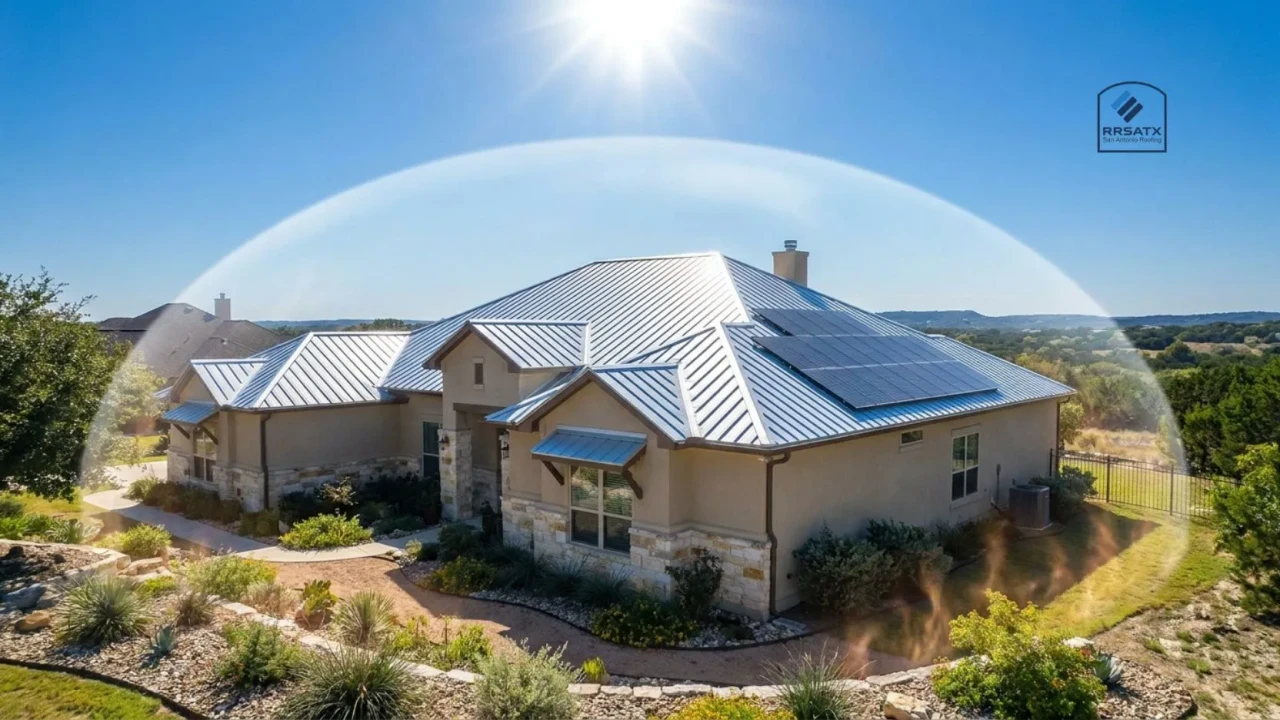
A reflective metal finish bounces a large share of solar heat back away from the structure instead of letting it soak into the decking and attic space below, the way dark asphalt shingles tend to do during peak Texas summer hours.
- Is the metal panel finish a reflective or cool roof rated coating
- How well insulated and ventilated is the current attic space
- Which direction does the largest roof slope face, since west and south exposure see the most heat gain
- Have you reviewed past summer utility bills to set a baseline for comparison
Roof age and condition are near the top of the list for San Antonio home buyers and their inspectors. A home with an aging asphalt shingle roof often becomes a negotiation point, with buyers requesting a credit or price reduction to cover an upcoming replacement. A home with a newer metal roof removes that concern entirely and can be marketed as a feature rather than a future liability.
Industry cost versus value studies consistently show metal roofing recovering a strong share of its installed cost at resale, often higher than the percentage recovered by a standard asphalt shingle replacement. Buyers are also increasingly aware of the durability and energy benefits, which makes a metal roof an easier selling point in listing descriptions and showings.
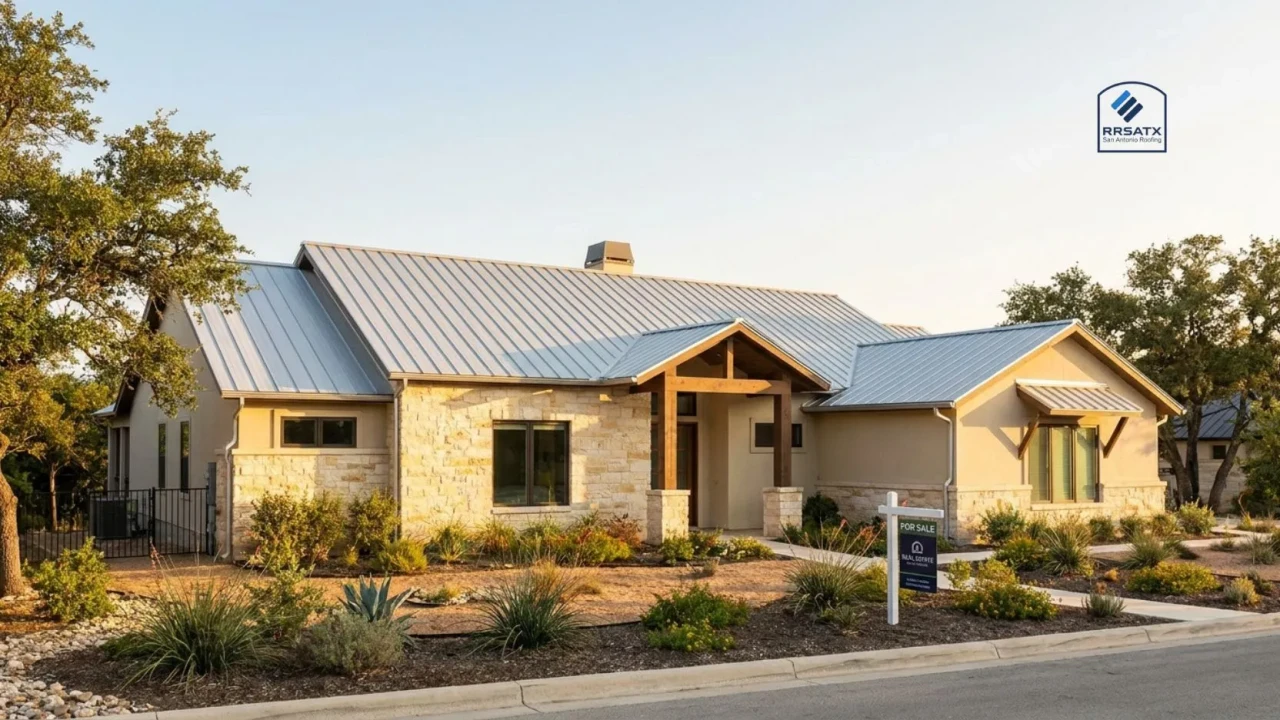
A roof in good condition is one less thing for a buyer's inspector to flag. Listings that mention a newer metal roof tend to draw fewer repair credit requests during negotiation, which can keep a sale on schedule and closer to the asking price.
There is no single answer that fits every San Antonio homeowner. The table below matches common situations to a straightforward recommendation, based on the factors that move the math the most.
| Your situation | Likely worth the extra cost | Why |
|---|---|---|
| Planning to stay 10 or more years | Yes | Enough time for lifespan, energy, and insurance savings to outweigh the higher install cost. |
| Selling within the next 2 to 3 years | Maybe not | You will not recoup the full premium through use; a quality shingle roof may serve you better financially. |
| Property has repeated hail damage history | Yes | Storm resilience and potential insurance discounts compound quickly on a hail prone property. |
| Tight budget with financing limits | Depends | If financing options or a phased approach can cover the gap, the long-term savings still apply. |
| High summer cooling bills currently | Yes | Energy savings from reflective metal panels tend to be largest on homes with high existing cooling costs. |
| Investment or rental property, short hold period | Maybe not | Shorter ownership windows reduce the time available to recover the higher upfront investment. |
Comparing only the installation invoice tells an incomplete story. The table below lines up the major cost categories across the expected lifespan of each material, using typical San Antonio figures for 2026.
| Cost category | Asphalt shingles | Metal roofing |
|---|---|---|
| Typical installed cost | $4.50 to $7 per square foot | $9 to $16 per square foot |
| Expected lifespan | 15 to 20 years | 40 to 70 years |
| Replacements over 40 years | 2 to 3 total installs | 0 to 1 total installs |
| Annual maintenance cost | Low, but rises sharply with age | Low and stays relatively flat over time |
| Storm and hail repair frequency | Higher, especially after large hail | Lower, mostly cosmetic after hail |
| Summer cooling cost impact | Neutral to higher | 10 to 25 percent lower with reflective coating |
| Insurance premium impact | Neutral, or higher after claims | Potential discount with Class 4 impact rating |
- Number of years you realistically expect to stay in the home
- Whether the property has a history of hail or storm damage claims
- Current summer cooling bills, to estimate the size of potential energy savings
- Whether resale within the next few years is a realistic possibility
- Installed cost per square foot for both metal and shingle options, quoted by the same contractor
- Manufacturer warranty length and what voids it on the metal product being proposed
- Whether the metal panel has a reflective or cool roof rated coating
- Confirmation that the contractor has documented experience installing metal panel systems specifically
- Insurance company contacted to confirm any discount available for impact resistant roofing
- Financing terms reviewed if the higher upfront cost requires a loan or payment plan
- Written comparison in hand showing both materials side by side for your specific roof
Get a free metal vs. shingle cost comparison for your San Antonio roof
Tell us about your home and we will give you side by side quotes for both metal and shingle roofing, plus an honest recommendation based on your timeline and budget, at no cost.