The wrong call costs thousands. This guide gives San Antonio homeowners a clear, honest framework for reading the signs, asking the right questions, and making the decision that actually fits their roof and their budget.
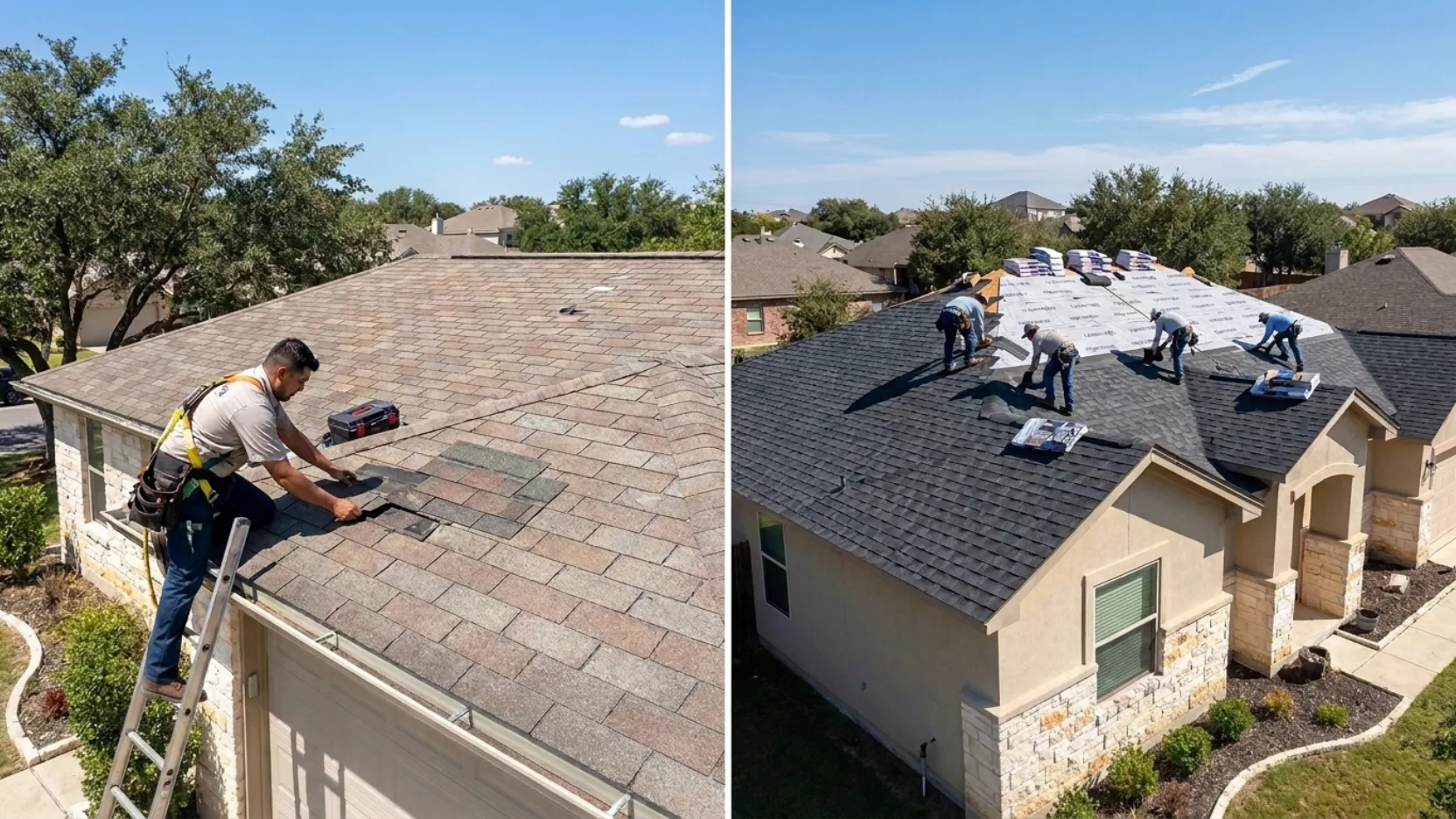
Every San Antonio homeowner hits this moment. A storm rolls through, a stain appears on the ceiling, or a contractor shows up after a hail event and tells you your roof is done. The question is always the same: do I fix what I have, or do I replace the whole thing?
The right answer is not always what the contractor on your driveway recommends. Storm chasers make their money on replacements. General handymen make their money on patches that come back. The honest answer comes from looking at a specific set of factors the age of your roof, the type and extent of the damage, your material, the cost comparison, and how your roof has performed over its lifetime in the San Antonio climate.
This guide walks through every factor that matters. By the time you finish reading, you will know how to read the signs on your own roof, what questions to ask a contractor, and how to make a decision you can stand behind.
Repair and replacement are not opposites they are points on a timeline. Every roof will eventually need replacement. The question is whether that time is now or several years from now. A good repair contractor helps you buy time on a roof that still has meaningful service life. A good replacement contractor helps you recognize when buying time is no longer worth the money. If a contractor cannot explain clearly which of those situations you are in, keep asking until they can.
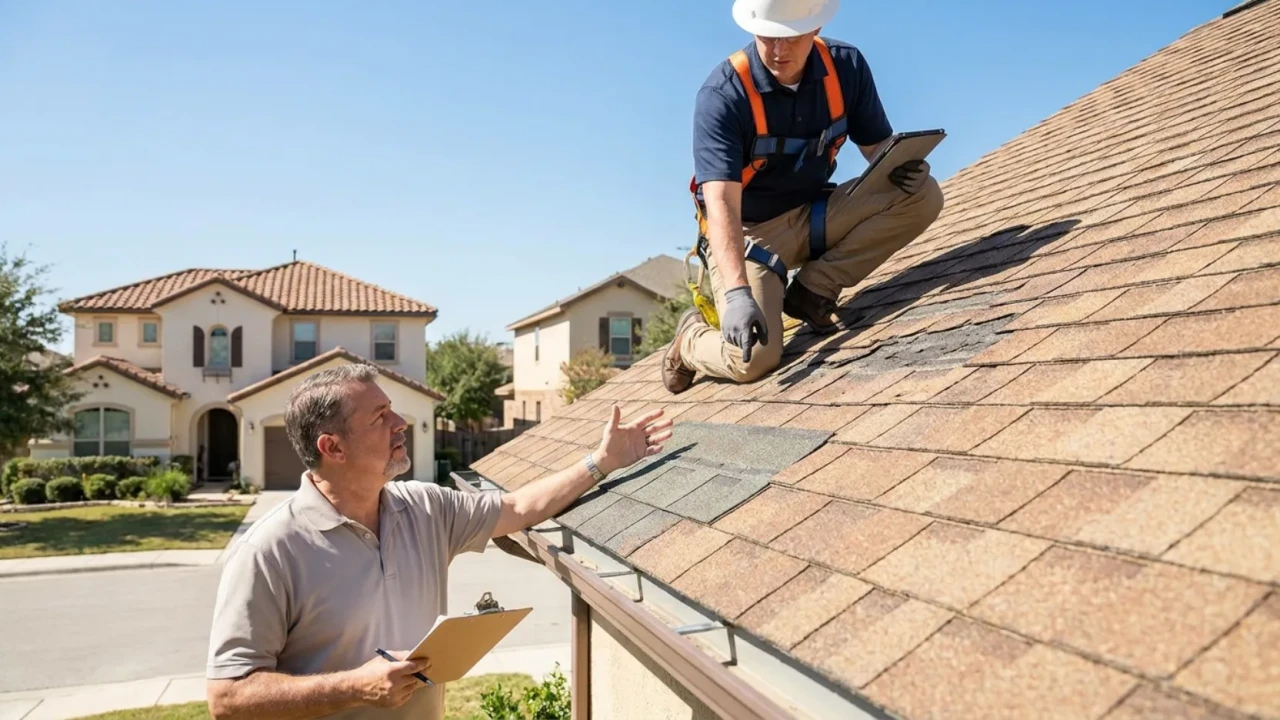
No single number or photo tells you the answer. The decision lives at the intersection of five specific factors. Work through all five before committing to either path.
Age does not determine whether your roof can be repaired. It determines whether a repair is worth what it will cost you. A 5-year-old asphalt shingle roof with hail damage is a strong repair candidate. The same damage on a 22-year-old roof with curling edges and granule loss in the gutters is a different conversation entirely.
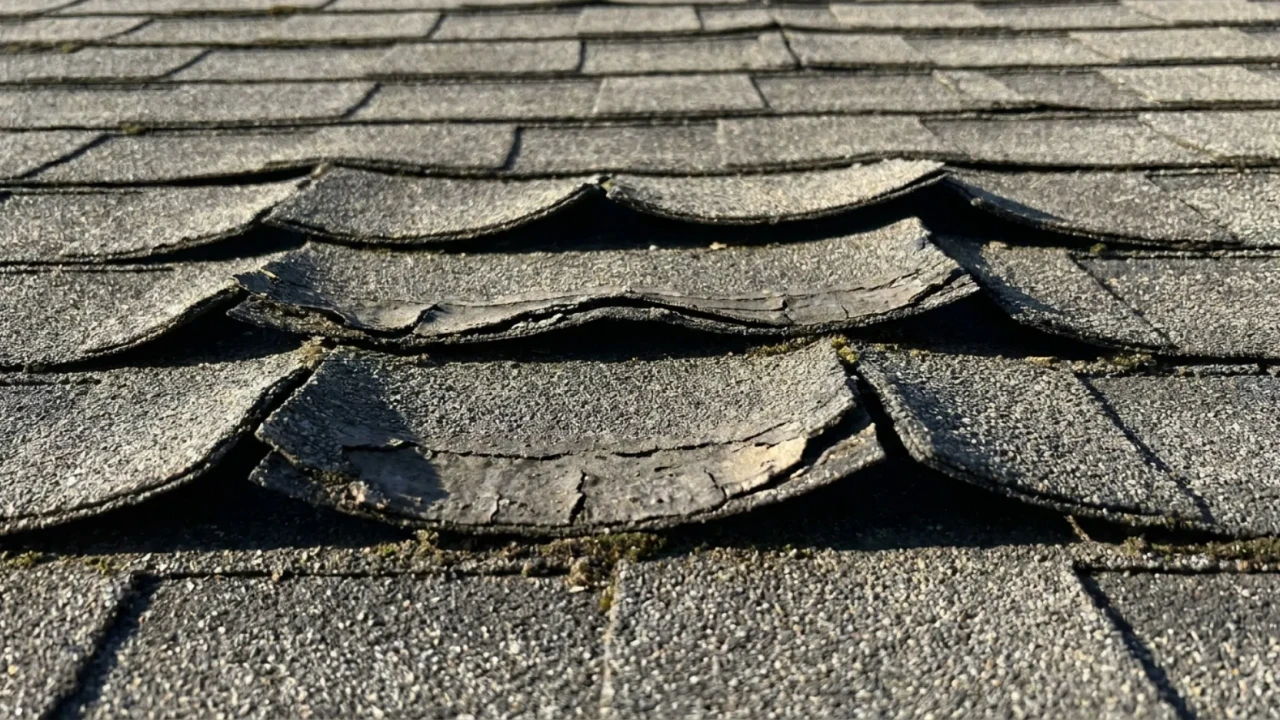
The reason age matters so much in San Antonio is that our climate accelerates roof aging faster than most parts of the country. The combination of intense UV exposure, triple-digit summer heat, freezing nights in January, and severe hailstorms puts years of wear on a roof that would last longer in a milder climate.
Asphalt shingles, the most common roofing material on San Antonio homes, are rated for 20 to 30 years. In our market, a 20-year lifespan is a realistic expectation for standard 3-tab shingles. Architectural shingles perform better but still feel the heat.
- Check your home purchase records or HOA files for the original roof installation date
- If unknown, have a contractor estimate age from granule loss, shingle flexibility, and material condition
- Ask your insurance company what age they currently have on file it affects claim handling
- Factor Texas climate: subtract two to three years from national lifespan estimates for San Antonio conditions
- Confirm whether the roof has had any previous replacements a 15-year-old house may have a 5-year-old roof
The scope of damage is the second major factor. A roof with storm damage concentrated on one slope after a hail event is a repair candidate. A roof where shingles are cracking, curling, and losing granules across three slopes is showing system-wide decline. Those two situations call for different responses even if the homeowner's immediate concern is the same leaking ceiling.
The distinction between localized and widespread damage matters for two reasons. First, it determines whether a repair addresses the problem or just the most visible symptom. Second, it affects what your insurance company will cover and what threshold justifies a full replacement claim.
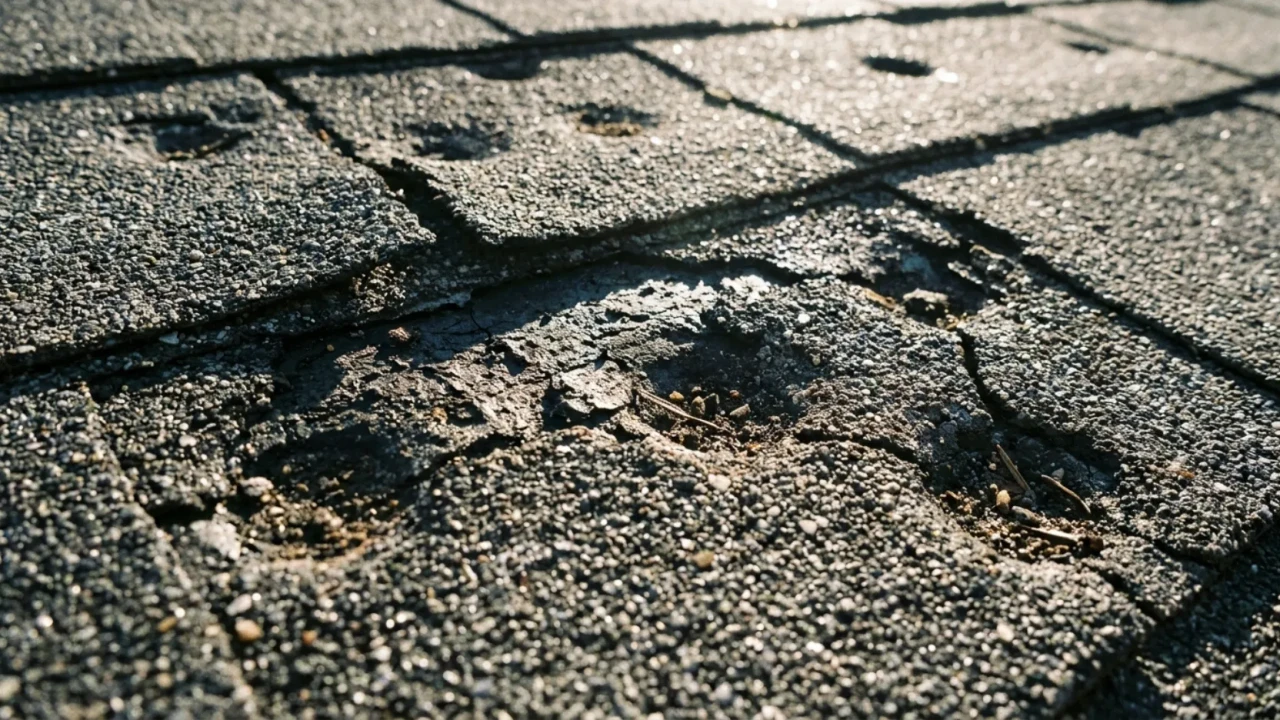
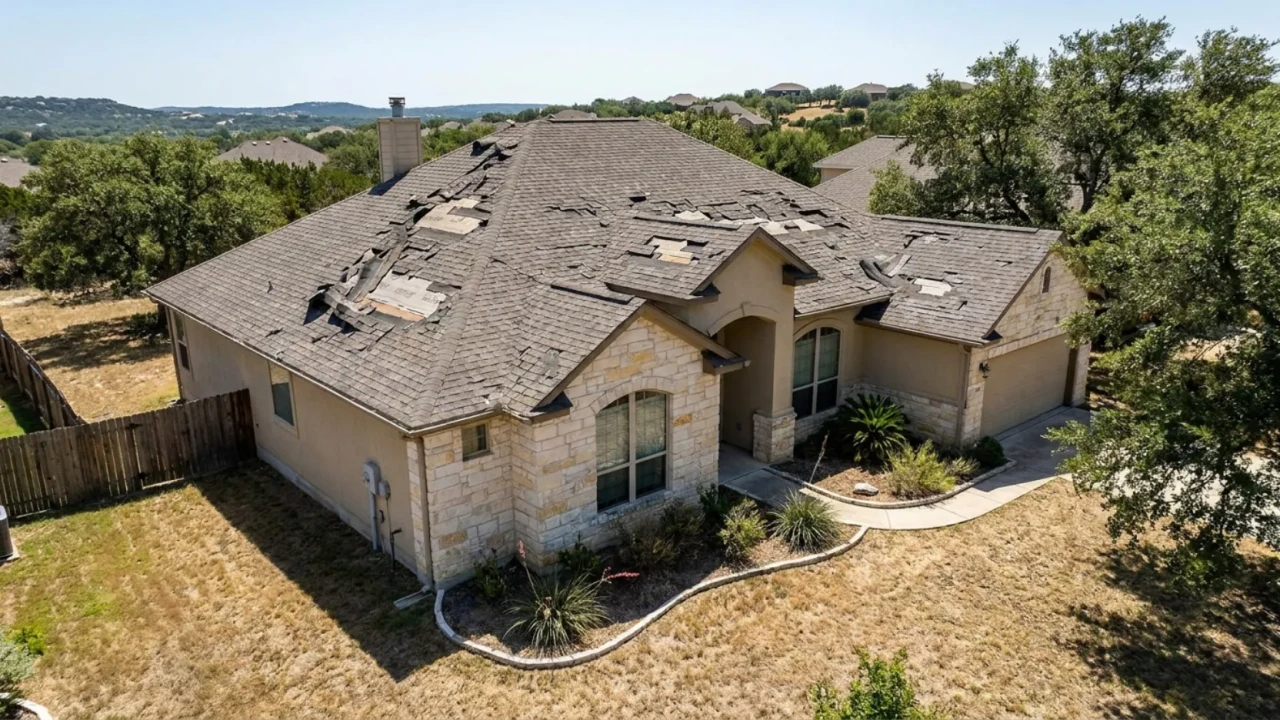
Stop a leak first, then make the long-term decision. Even if you know your roof will need replacement within a year, an active leak causing interior water damage needs to be addressed immediately. The cost of water-damaged drywall, insulation, and flooring almost always exceeds the cost of a temporary repair or tarp. Seal the leak first. Then assess the roof for replacement at a scheduled time rather than in an emergency.
- Count the number of damaged or missing shingles get an actual number, not an impression
- Identify whether damage is isolated to one slope or present across multiple surfaces
- Check gutters for granule accumulation heavy granule loss in gutters signals system-wide shingle wear
- Inspect the attic for daylight, water staining, or wet insulation confirms active leak path
- Assess the roof deck where visible: soft spots, delamination, or rot indicate deck damage beyond shingle replacement
- Photograph all damage from both the roof surface and the attic before any work begins
The roofing material on your home significantly changes the repair-versus-replacement calculation. Asphalt shingles have a known service life, predictable failure patterns, and relatively low replacement costs. Metal roofs last far longer and justify repair at ages where a shingle roof would be replaced. Tile roofs can often be repaired by replacing individual broken tiles, but the underlying mortar bed and flashing work is a separate concern. Flat roofing systems on commercial properties and some San Antonio homes follow membrane-specific logic.
| Roofing Material | Typical Lifespan in SA | Repair Threshold | Replacement Signal |
|---|---|---|---|
| 3-tab asphalt shingles | 15 to 20 years | Roof under 12 years, isolated damage under 3 squares | Over 18 years, widespread granule loss, multiple leak points |
| Architectural asphalt shingles | 20 to 25 years | Roof under 15 years, damage to one slope only | Over 20 years, curling or cracking across multiple slopes |
| Metal (standing seam) | 40 to 70 years | Repair almost always preferred roofs under 30 years strongly favor repair | Widespread panel corrosion, structural damage, or roof over 50 years with multiple failures |
| Metal (screw-down panels) | 25 to 40 years | Fastener and sealant repair, isolated panel replacement | Widespread fastener failure, corrosion covering more than 25% of surface |
| Concrete or clay tile | 40 to 50 years | Individual tile replacement; underlayment determines true condition | Failed underlayment beneath tiles, widespread mortar bed cracking |
| TPO or modified bitumen (flat) | 15 to 25 years | Isolated seam or puncture repair on membranes under 12 years | Multiple membrane failures, ponding-water-related delamination |
- Identify your exact material type before comparing any repair or replacement quotes
- For asphalt shingle roofs, have the contractor check granule loss, shingle flexibility, and whether the mat layer is exposed
- For metal roofs, ask about fastener condition, sealant age, and any rust staging assessment
- For tile roofs, ask whether the underlayment was inspected not just the tiles
- For flat roofs, ask about membrane adhesion, seam integrity, and evidence of ponding water staining
- Confirm that any replacement materials match HOA requirements in your San Antonio neighborhood before ordering
The 50% rule is the most practical financial guideline in roofing. It works like this: if a qualified contractor's repair estimate exceeds 50% of what a full roof replacement would cost on your home, you are better off replacing the roof. You get a new system, a full warranty, known performance for the next two decades, and you stop the cycle of incremental repair spending on a declining asset.
The rule becomes even more compelling when you factor in the age of the roof. A repair costing 40% of replacement on a roof that has five years of useful life remaining is still a poor investment. The same repair on a roof with 15 years remaining is a reasonable call. Cost and remaining service life have to be evaluated together.
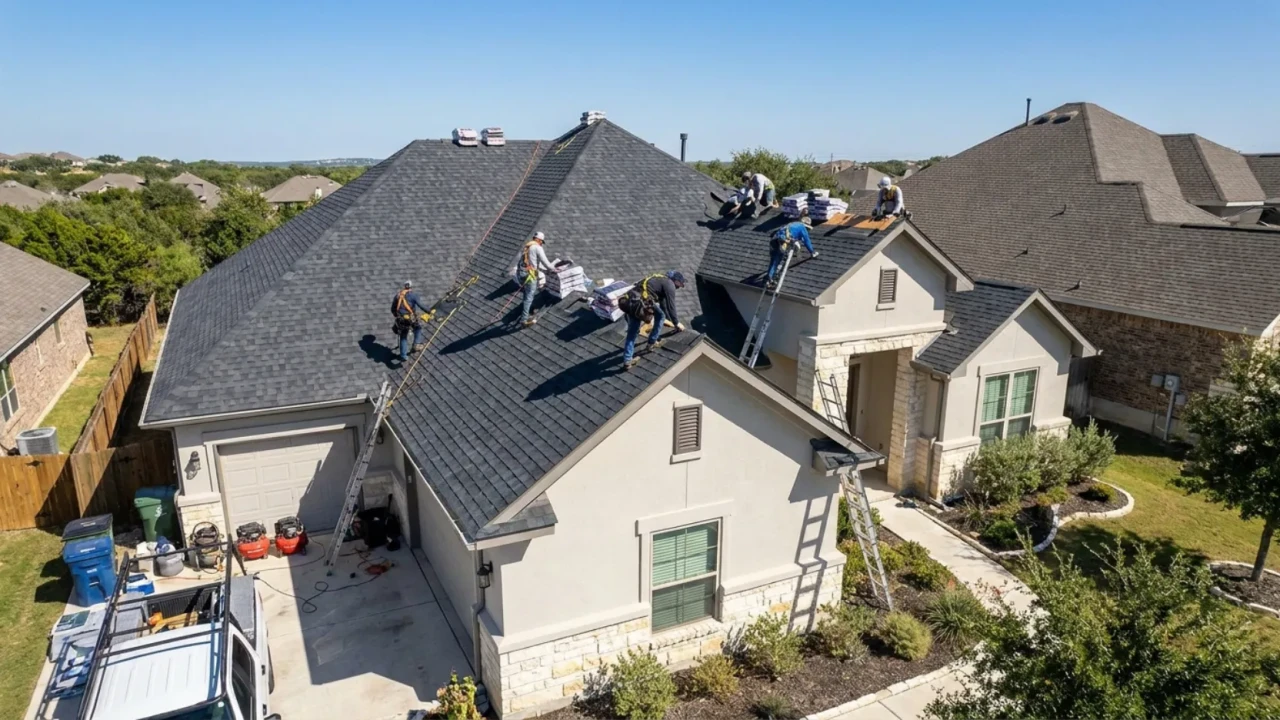
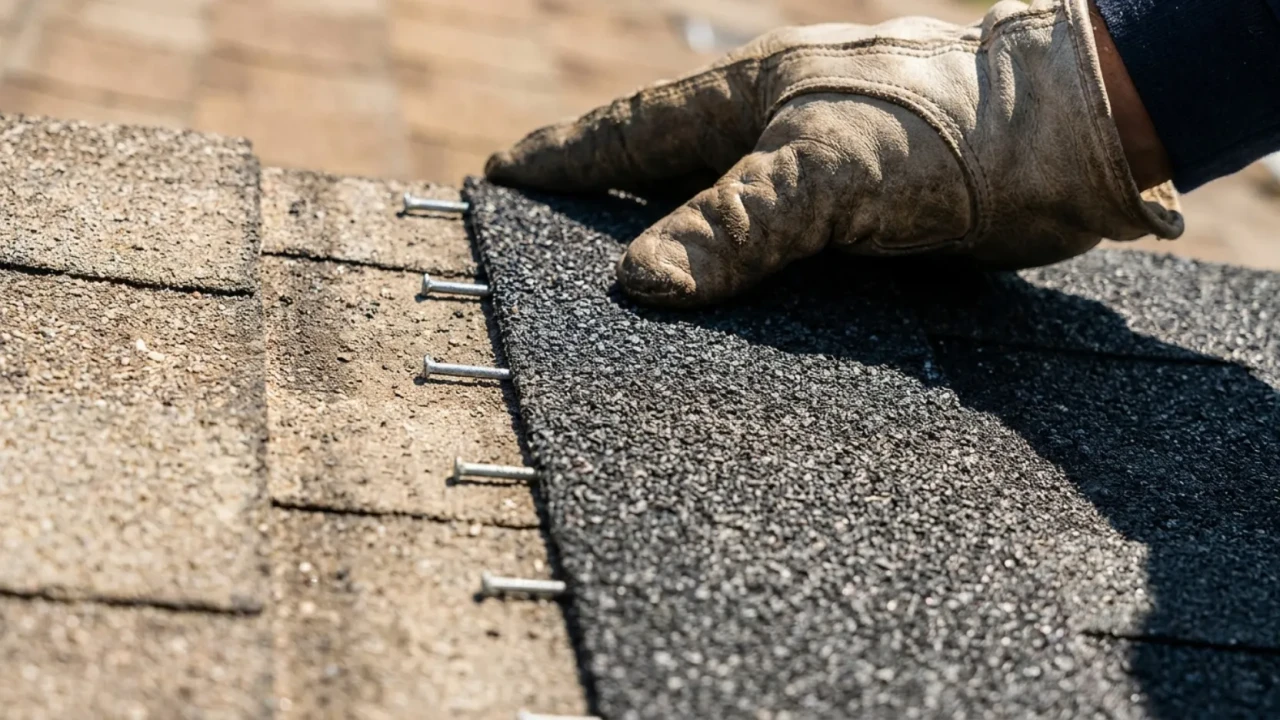
Always ask for both numbers before committing. Any reputable San Antonio roofing contractor will give you both a repair estimate and a replacement estimate without pressure. If a contractor gives you only one option without explaining why the other was ruled out, that is a signal to get a second opinion. The repair-versus-replacement decision is yours to make a good contractor gives you the information to make it confidently.
- Get a written repair estimate with the full scope of work itemized not a verbal number
- Ask the same contractor for a replacement estimate on your roof for a direct comparison
- Calculate repair cost as a percentage of replacement cost before deciding
- Factor in roof age: repair cost that looks acceptable at 10 years looks different at 18 years
- If insurance is involved, confirm whether the claim covers repair or replacement and at what ACV or RCV basis
- Get a second opinion on any repair estimate over $3,000 on a residential San Antonio roof
The repair history of a roof is the most underused signal in this decision. A homeowner who has called a roofer once in 15 years for a single missing shingle is in a very different position than one who has had the same section patched three times since 2020. The pattern tells you something the current inspection cannot: how the roof has been performing as a system over time.
Roofs that need repeated repairs in the same area are either dealing with an underlying installation defect that surface repairs cannot fix, or they have reached a point in their aging where failure is becoming systemic rather than isolated. Both situations are signals that replacement should be on the table even if the current issue looks patchable.
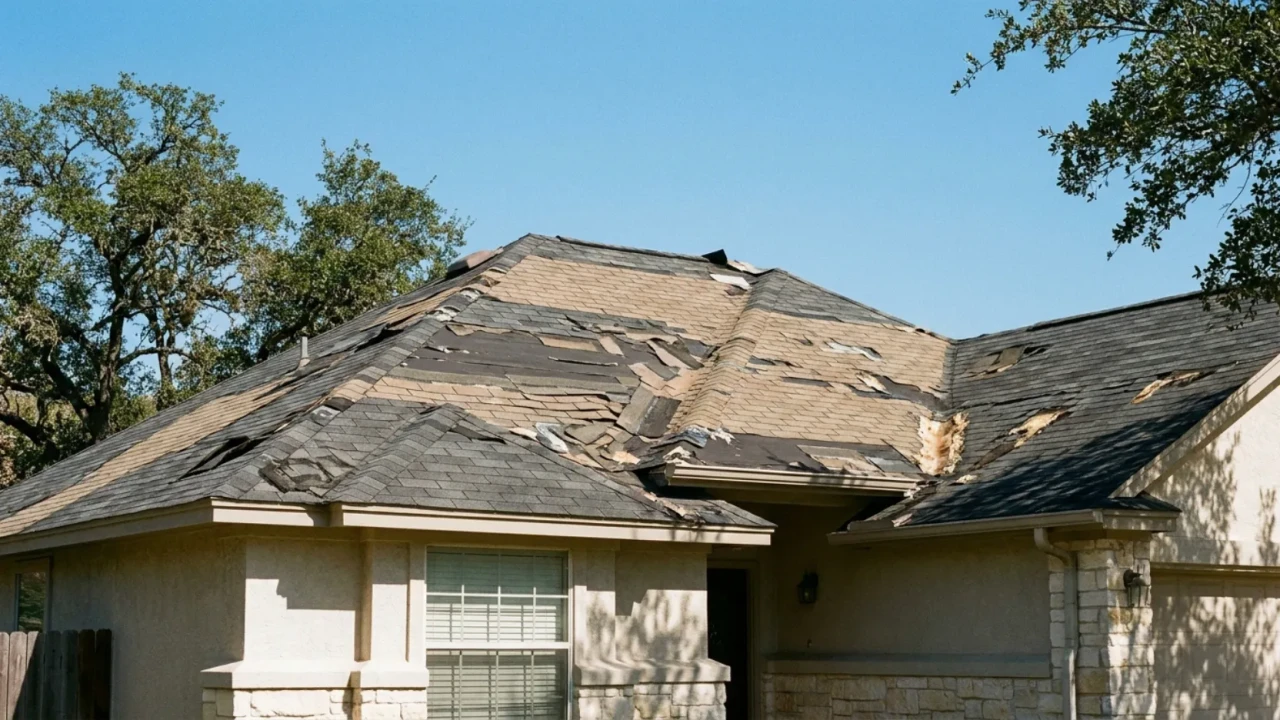
What counts as a concerning repair pattern in San Antonio:
The other side of this is the clean-history roof. If you have owned a home for 12 years and called a roofer once, and a storm has now damaged three shingles, that is exactly the kind of history that makes repair the obvious call. The roof has demonstrated reliable performance and deserves the investment.
- Pull all prior roofing repair records you have receipts, warranties, insurance claims
- Count the number of repairs in the past five years and note whether they were in the same area
- Check whether any warranties from prior repairs are still active and who stands behind them
- If the roof has had insurance claims, confirm whether they were settled as repair or replacement
- If purchasing a home, request Bexar County permit records for any prior roofing work
- If the repair history is unknown, factor that uncertainty into the replacement side of the ledger
Run your specific situation through this table. The scenarios cover the most common cases we encounter on San Antonio roofs. Where your situation lands in multiple rows, the most conservative column (toward replacement) typically applies.
| Your Situation | Verdict | Reasoning |
|---|---|---|
| Roof under 10 years, storm damage to 5 or fewer shingles | REPAIR | Clear repair candidate. Young roof, isolated damage, low repair cost relative to remaining service life. |
| Roof 10 to 15 years, hail damage on one slope only | REPAIR | Repair if the rest of the roof is in sound condition. File insurance if hail size qualifies. |
| Roof 15 to 20 years, hail damage across two or more slopes | EVALUATE | Check insurance coverage. If replacement is covered, take it. If only repair is covered, get a full assessment first. |
| Roof over 20 years, any active leak | REPLACE | Stop the leak with a temporary fix, then plan replacement. Roof is at or past rated lifespan. |
| Repair estimate exceeds 50% of replacement cost | REPLACE | The financial case for replacement is stronger at this cost level. Get a full replacement quote before deciding. |
| Three or more repairs in the past five years | REPLACE | Repeated failures signal system-wide decline. Another repair is likely a temporary solution. |
| Granule loss visible across the whole roof surface | REPLACE | System-wide shingle wear. Individual repairs address the symptom but not the cause. |
| Metal roof under 25 years with leak at flashing or fastener | REPAIR | Metal roofs justify repair for most of their service life. Fastener and flashing repairs are inexpensive and effective. |
| Insurance covering full replacement after hail event | REPLACE | If the insurance company is paying for replacement, take it. A new roof with full warranty is always preferable when the cost differential is covered. |
| New home purchase, roof age unknown, visible wear | EVALUATE | Commission an independent inspection before closing. Do not rely solely on the seller's disclosure or the general home inspector's assessment for roofing decisions. |
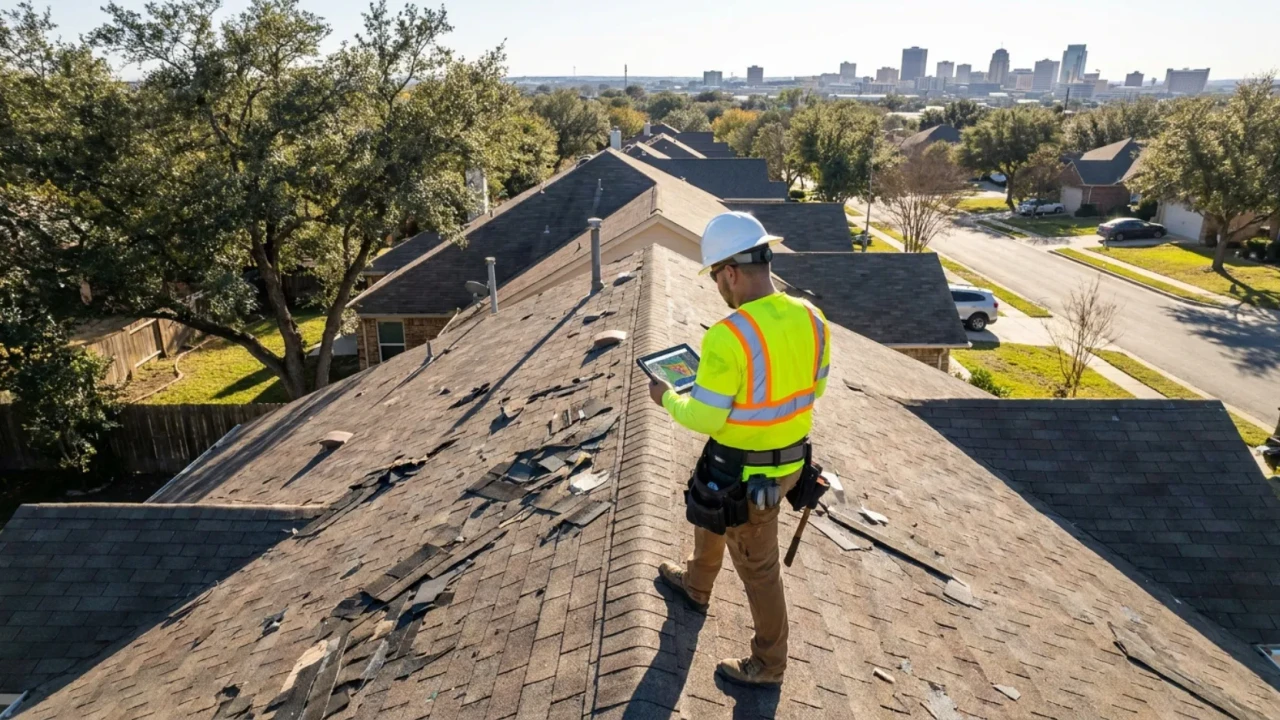
Generic roofing advice written for a national audience does not fully account for the specific conditions that drive roofing decisions in San Antonio and Bexar County. Three local factors shift the calculation in ways that matter for every homeowner in our market.
San Antonio sits within one of the most active hail corridors in the United States. Significant hail events, defined as 1-inch diameter or larger, occur here with enough regularity that many homeowners have filed two or three separate storm damage claims across a typical roof's lifespan. This frequency changes the repair calculation in an important way.
An asphalt shingle roof that takes a significant hail hit at age 15 is not just dealing with the current storm damage. It has likely had its remaining service life shortened by the granule loss and mat exposure that comes with that level of impact. A repair that looks financially reasonable in isolation may not account for the fact that the next storm and there will be one will find a roof that is now more vulnerable than before.
Many San Antonio neighborhoods, particularly in the Stone Oak, Alamo Ranch, Helotes, and Boerne corridor communities, have HOA rules that govern roofing materials, approved colors, and sometimes specific shingle brands. This affects the repair-versus-replacement decision in a practical way: if you need to replace even a partial section, the new material must match the existing roof exactly, and the existing roof must comply with current HOA standards.
Homeowners who buy into a neighborhood that has adopted a newer approved shingle list may find that their existing 18-year-old roof uses a color or product no longer on the approved list. In that case, a major repair requiring visible section replacement can trigger an HOA compliance review. Replacement with an approved current product resolves this cleanly. This is not a reason to replace unnecessarily, but it is a factor to verify before committing to a large partial repair.
- Pull your current HOA CC&Rs and review the roofing section before getting any repair quotes
- Confirm that the current shingle color and material on your roof are still on the HOA approved list
- For any visible section repair, confirm that matching material is available and HOA-compliant
- For replacement, submit your material and color choice for HOA approval before ordering materials
- Keep a copy of HOA approval documentation with your roofing warranty and permit records
San Antonio's climate is one of the harshest in the country for asphalt shingles. The combination of extreme summer heat attic temperatures can exceed 150 degrees Fahrenheit during peak July and August afternoons high UV exposure, and the thermal shock of winter cold snaps accelerates shingle aging faster than in cooler markets. National shingle warranty periods are calculated based on average climate conditions. San Antonio is not average.
A standard architectural shingle rated for 25 to 30 years in the manufacturer's warranty terms will typically perform for 20 to 25 years in San Antonio before reaching the point where replacement is more cost-effective than continued repair. When you factor age into the repair-versus-replacement decision, shave two to five years off any national lifespan benchmark to account for our climate conditions.
- Confirm the exact age of your current roof not an estimate, an actual year if records allow
- Pull all prior repair records, insurance claims, and warranties associated with the roof
- Count the number of repairs in the past five years and whether they repeated in the same areas
- Identify your roofing material type 3-tab shingle, architectural shingle, metal, tile, or flat membrane
- Check your HOA rules for approved materials, colors, and any material age restrictions
- Have a contractor physically walk the roof ground-level or attic inspection alone is not sufficient
- Document the inspection with dated photos from both the roof surface and the attic
- Determine whether damage is isolated (one slope or area) or widespread across the roof system
- Check gutters for granule accumulation to assess system-wide shingle wear
- Confirm whether the roof deck is sound soft spots or visible delamination change the scope significantly
- If a storm caused the damage, note the date and hail size for insurance documentation
- Request a written repair estimate with the full itemized scope of work
- Request a written replacement estimate from the same contractor for direct comparison
- Calculate the repair cost as a percentage of replacement cost apply the 50% rule
- If insurance is involved, understand whether the claim is settled on ACV (actual cash value) or RCV (replacement cost value) basis
- Get a second opinion on any estimate over $3,000 before committing
- Apply all five factors: age, damage extent, material type, cost comparison, and repair history
- If any single factor is unclear, resolve it before deciding not after signing a contract
- Confirm that any contractor you hire carries at least $1 million general liability insurance and is licensed in Texas
- For replacement, get a written contract with material specifications, payment schedule, permit handling, and warranty terms
- For repair, get a written warranty on the workmanship not just the materials before the crew starts work
Not sure which side of the line your roof is on? Let us take a look.
We inspect San Antonio roofs every day and give homeowners straight answers repair when repair makes sense, replacement when the numbers and the age say it is time. Free inspection, written estimate, no pressure.