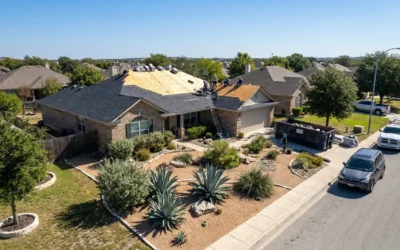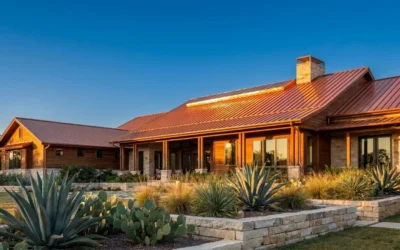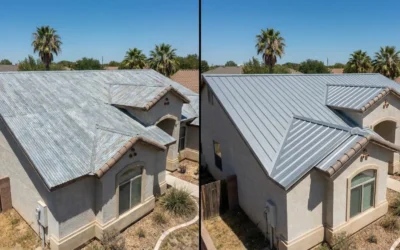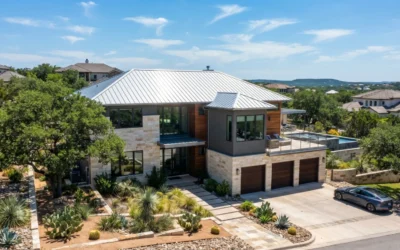
Steel is the most common metal used for roofing in the United States, and for good reason. But steel is not the only option, and it is not always the right one. This guide breaks down every major metal roofing material available to San Antonio homeowners, what each one costs, how long it lasts in the Texas climate, and how to choose the right metal for your specific roof.
If you are shopping for a metal roof in San Antonio, the first real decision you will face is not which contractor to hire or which panel profile to choose. It is which metal to put on your home in the first place. Steel, aluminum, copper, zinc, and tin all get used in roofing. They all carry the broad benefits of metal roofing: durability, fire resistance, and longevity that outlasts asphalt shingles by decades. But they are not the same material, they do not perform the same way in the Texas climate, and they do not cost the same to install or maintain.
The short answer to the question most San Antonio homeowners ask: steel is the most common metal used for roofing in the United States, and it is the most common material our crews install here in Bexar County. But the right metal for your roof depends on your budget, your home's location, and the specific performance demands of your property. This guide covers every major metal roofing material from the ground up so you can make that decision with complete information.
San Antonio puts metal roofs through conditions that most of the country does not experience at the same intensity. Summer roof surface temperatures can exceed 160 degrees Fahrenheit. Hail season runs from March through June and produces hailstones large enough to damage lesser metals. Thermal expansion and contraction cycles are extreme. Humidity and occasional coastal salt air from the Gulf affect corrosion rates. Every material comparison below is written with these conditions in mind, not for a mild-climate market where any metal performs acceptably.
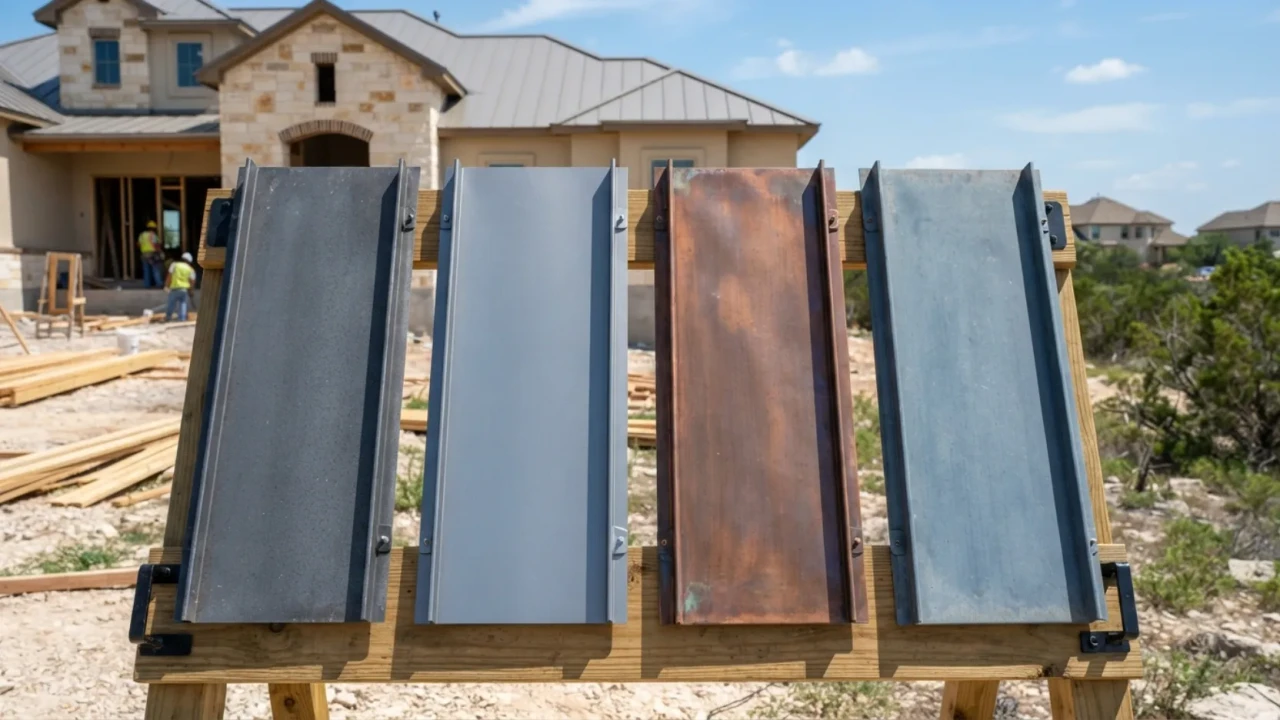
Steel is the dominant metal in roofing for one straightforward reason: it delivers the strongest combination of strength, affordability, and availability of any metal on the market. When most people picture a metal roof, they are picturing a steel roof. Corrugated steel panels on agricultural buildings, standing seam steel on modern homes, steel shingles that mimic the look of slate or wood shake, and stone-coated steel panels that replicate the texture of traditional roofing materials are all variations on the same core material.
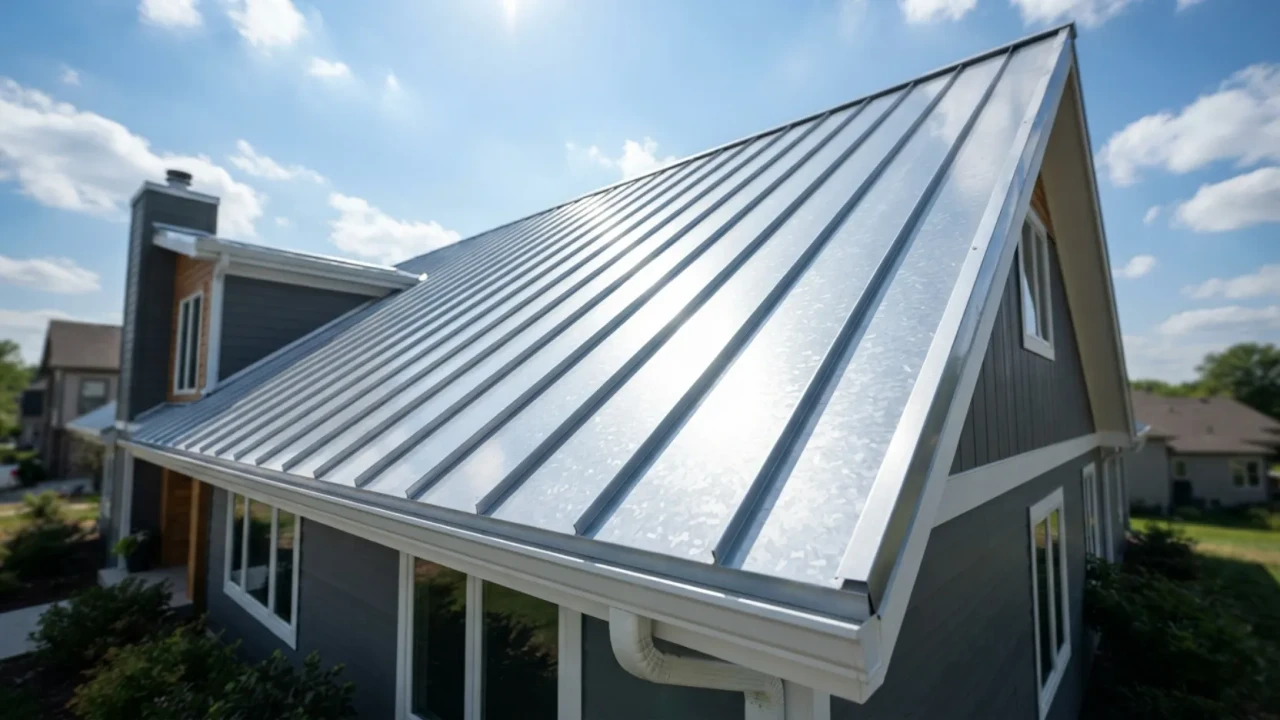
Galvalume steel: The most common steel used in modern metal roofing. Galvalume is carbon steel coated with an alloy of aluminum (55%), zinc (43.5%), and silicon (1.5%). The aluminum content gives it excellent corrosion resistance, while the zinc provides sacrificial protection at cut edges and scratches. Galvalume steel holds up extremely well under San Antonio's heat and UV exposure. It is the standard material for most standing seam and exposed-fastener panel systems installed in Bexar County today.
Galvanized steel: Older technology and still widely used, particularly in agricultural and commercial applications. Hot-dip galvanized steel is coated with zinc only. It is less corrosion-resistant than Galvalume over the long term and tends to develop surface rust earlier in high-moisture environments. For residential roofing in San Antonio, Galvalume is generally the better specification.
Gauge matters more than most San Antonio homeowners realize. The thicker the steel, the lower the gauge number. 24-gauge steel is noticeably thicker and more dent-resistant than 26-gauge. In a hail-prone market like San Antonio, specifying 24-gauge steel instead of 26-gauge is a meaningful upgrade that adds durability against the large hailstones that hit Bexar County every spring. Ask your contractor which gauge they are quoting and why. Any bid that does not specify gauge leaves you without a complete picture of what you are buying.
- Material specified as Galvalume, not just "steel" or "galvanized" ask for the ASTM designation
- Gauge confirmed in writing: 24-gauge is the recommended specification for Bexar County hail exposure
- Paint system specified if a painted product: PVDF (Kynar) coating outperforms polyester in San Antonio's UV environment
- Panel profile confirmed: standing seam eliminates exposed fasteners and their associated leak risk
- Warranty terms for both the steel substrate and the paint coating documented before signing
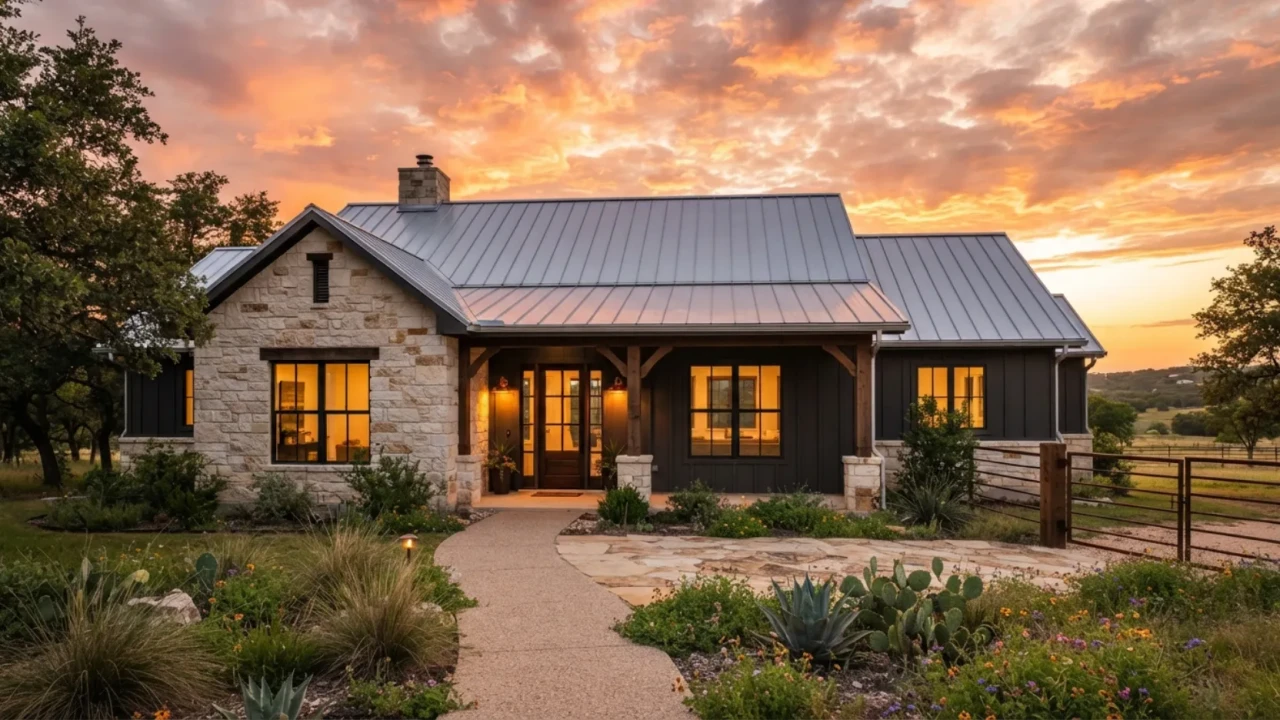
Aluminum is the second most widely used metal in roofing, and it earns that position through one outstanding characteristic: it does not rust. Unlike steel, which requires a protective coating to prevent corrosion, aluminum forms a natural oxide layer when exposed to air that acts as a self-sealing barrier against moisture. Cut an aluminum panel at the edge, and it does not need edge protection to resist corrosion the way steel does.
For San Antonio homeowners, aluminum is worth serious consideration if your property is close to drainage areas that stay wet, if you have had rust problems with older steel components, or if you want a material that will hold up for decades with minimal maintenance attention. Aluminum is also the go-to choice for coastal Texas properties that experience salt air exposure from the Gulf of Mexico, where galvanized steel would degrade significantly faster.
The trade-off with aluminum is dent resistance. Pound for pound, aluminum is softer than steel, which means it is more susceptible to hail denting at equivalent gauges. In San Antonio's active hail market, this matters. Aluminum standing seam roofs in heavier gauges (0.040" or thicker) perform reasonably well against moderate hail, but a major hail event that drops golf-ball-size stones will leave visible denting on aluminum panels that would show less damage on 24-gauge steel. This is not a disqualifying factor for aluminum, but it is a trade-off worth discussing with your contractor before committing to a material.
- Property is located near low-lying drainage areas, retention ponds, or areas with persistent moisture
- Previous steel components on the property have shown premature corrosion
- Structural considerations favor a lighter roofing material
- Hail in your specific area has historically been moderate rather than large-diameter
- Long-term low-maintenance performance is the primary priority over first cost
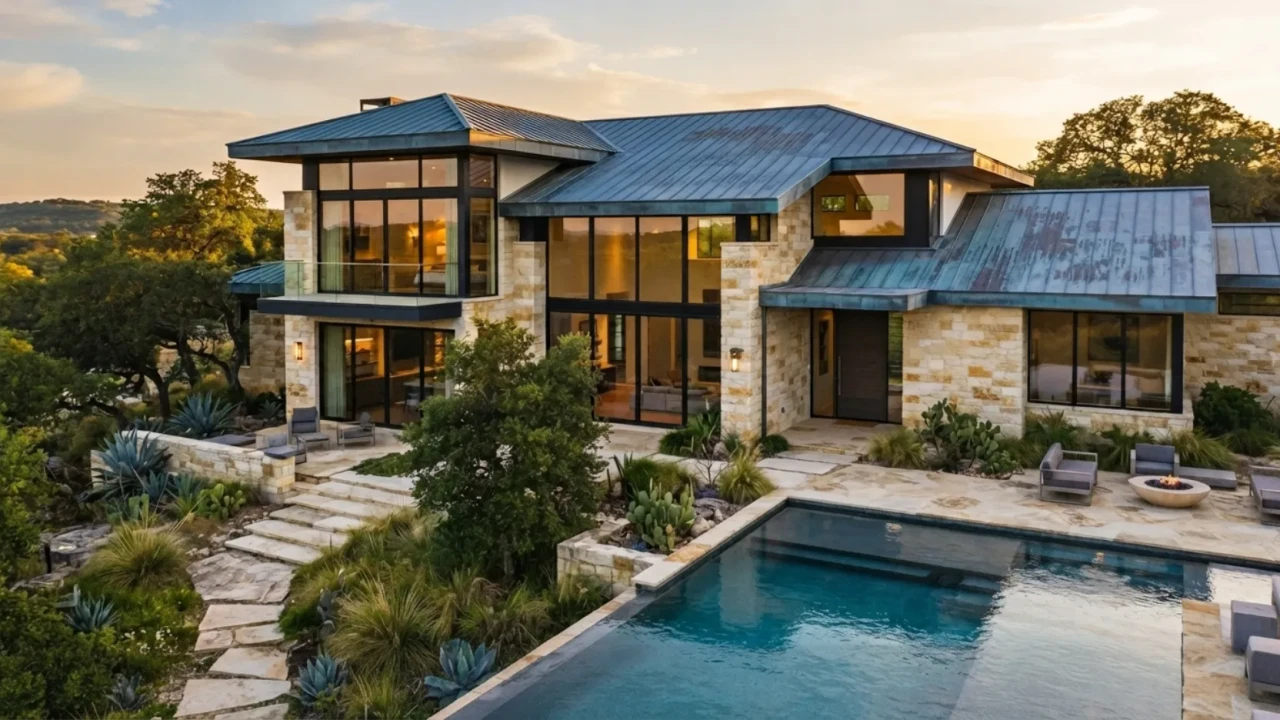
Copper is the oldest metal used in roofing, and it remains the most architecturally distinctive. Historic churches, government buildings, and high-end residential properties use copper for one reason above all others: nothing else looks like it and nothing else lasts as long. A well-installed copper roof in San Antonio will outlast the building it covers, developing a natural blue-green patina over time that is both a sign of the metal's age and a protective layer that actually stops further corrosion.
The patina process is worth understanding before you buy. New copper arrives bright and shiny, similar in appearance to a new penny. Over the first few years, it darkens to a deep brown. Over the following decades, in the presence of humidity and atmospheric carbon dioxide and sulfur, it transitions to the recognizable blue-green verdigris associated with copper architecture. In San Antonio's climate, the full patina development typically takes 10 to 20 years depending on exposure. Some homeowners love this progression; others want the final patina look immediately. Pre-patinated copper panels are available for an additional premium.
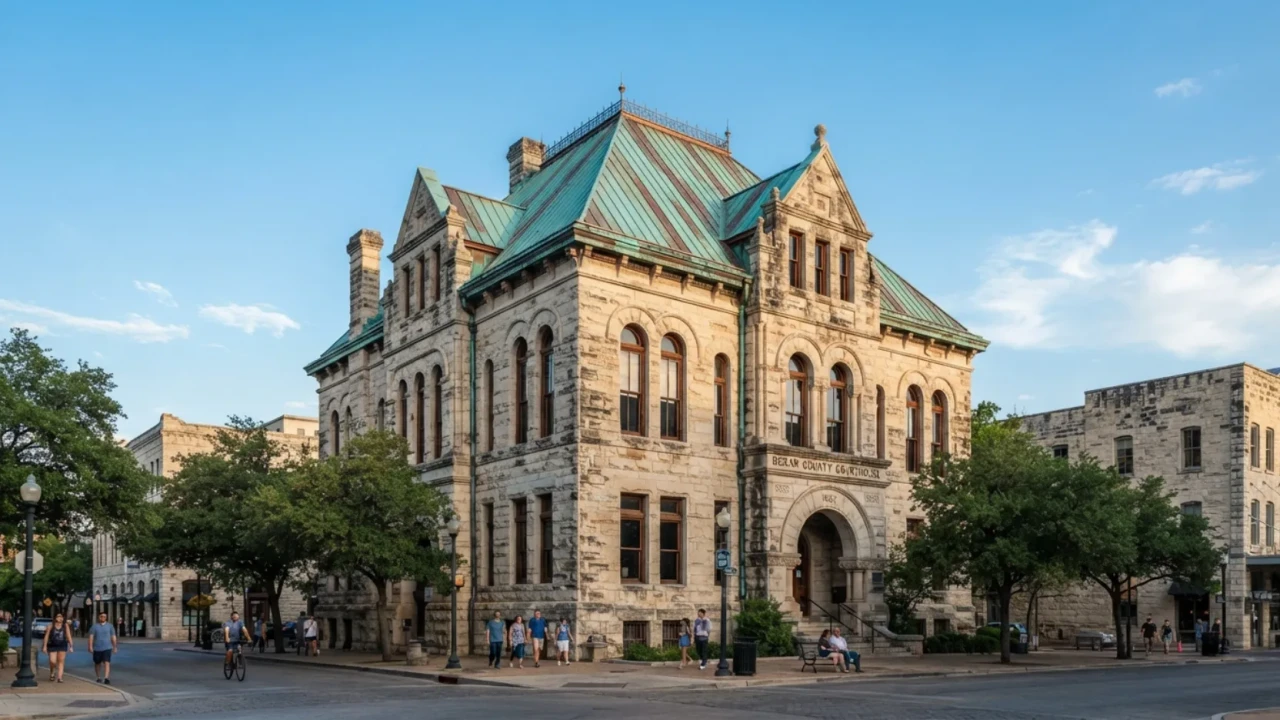
Lifespan: Copper roofs routinely reach 100 years of service life when properly installed. This is not a manufacturer's claim; it is the observed performance of copper roofing on buildings across the United States and Europe that have been in service since the early 1900s. In San Antonio's climate, copper will outlast any other roofing material available.
Compatibility warning: Copper cannot be installed in direct contact with steel, galvanized metal, or aluminum. The electrochemical difference between these metals creates galvanic corrosion that destroys the adjacent metal rapidly. All flashings and fasteners must be copper or stainless steel when copper panels are used. This requirement affects installation complexity and cost.
Cost reality: Copper roofing in San Antonio runs $18.00 to $30.00 or more per square foot installed. For a 2,000-square-foot home, that is a $36,000 to $60,000 roofing investment. This is a product for homeowners who are thinking in generational terms, not replacement cycles.
- No dissimilar metals in contact with copper: all fasteners and flashings must be copper or stainless steel
- Runoff from copper panels can stain concrete, masonry, and painted surfaces below with blue-green streaks
- Plan for the patina progression: the roof will look very different at year 1 versus year 25
- Pre-patinated copper is available if the final aged look is the goal from day one
- Contractor must have specific copper roofing installation experience, not just general metal roofing
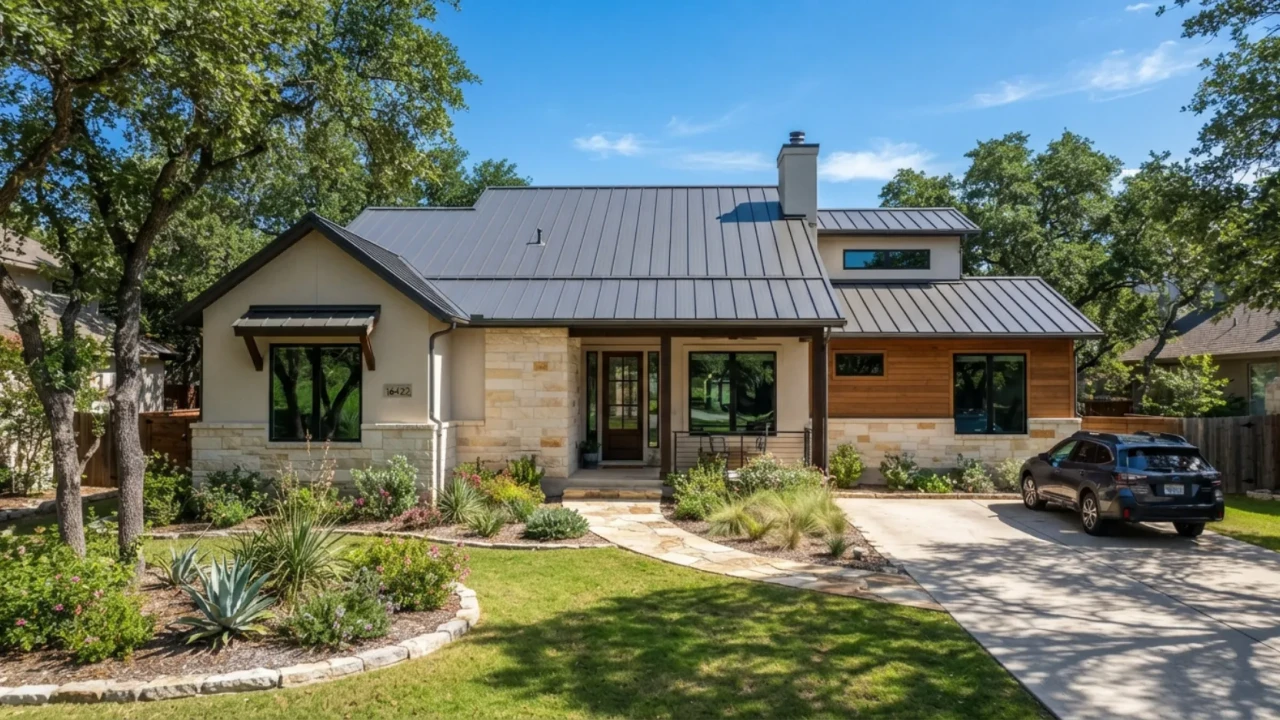
Zinc has been the dominant metal roofing material in Europe for over a century. In countries like Germany, Belgium, and France, zinc standing seam roofs are as common as asphalt shingles are in the United States. The American market has been slower to adopt zinc as a primary roofing material, but it is gaining ground in custom residential and commercial applications, and it is a legitimate option for San Antonio homeowners who want a low-maintenance, long-lived metal roofing system with a distinctive aesthetic.
What sets zinc apart from every other metal used in roofing is its self-healing property. When zinc develops a surface scratch or minor abrasion, the zinc carbonate layer that forms naturally on the surface can migrate to fill and seal the damaged area over time. This is not marketing language; it is a documented property of the material that explains why zinc roofs that have been in service for 80 or 100 years still show intact surfaces without the rusting or coating failures that would have ended a steel roof's life decades earlier.
The important caveat for San Antonio installations is underside corrosion. In humid climates, bare zinc can develop what is called white rust on its underside if moisture becomes trapped between the panel and the roof deck. This is manageable with proper installation using a quartz underside-coated zinc product and adequate ventilation beneath the panels, but it is a detail that requires a contractor who has specific experience with zinc roofing and understands the humidity profile of the Texas Hill Country climate.
- Specify quartz underside-coated zinc panels for San Antonio's humidity profile
- Adequate roof deck ventilation required to prevent moisture accumulation on panel undersides
- Stainless steel or zinc-compatible fasteners only: no galvanized steel hardware
- Contractor must have documented zinc installation experience, not general metal roofing only
- No direct contact with copper, which accelerates galvanic corrosion on zinc panels
The phrase "tin roof" is one of the most persistent naming conventions in residential roofing, and one of the most misleading. When your neighbor says they have a tin roof, or when you hear a San Antonio homeowner describe their older home as having a tin roof, they are almost never describing a roof made of pure tin. What they are describing is most likely one of two things: an older terne-coated steel roof, or more commonly, simply a metal roof in general using the colloquial term most people grew up hearing.
True tin roofing, made from sheets of pure tin or tin-lead alloy called terne metal, was common in the United States from the 1800s through the mid-1900s. Terne metal consisted of steel or iron coated with a tin-lead alloy that provided decent corrosion resistance when properly painted and maintained. These roofs are still found on historic properties across San Antonio, particularly on older homes in established neighborhoods and on historic commercial buildings in downtown Bexar County. They can last well over 100 years with diligent maintenance, but they require periodic painting to prevent the underlying steel from rusting once the terne coating wears.
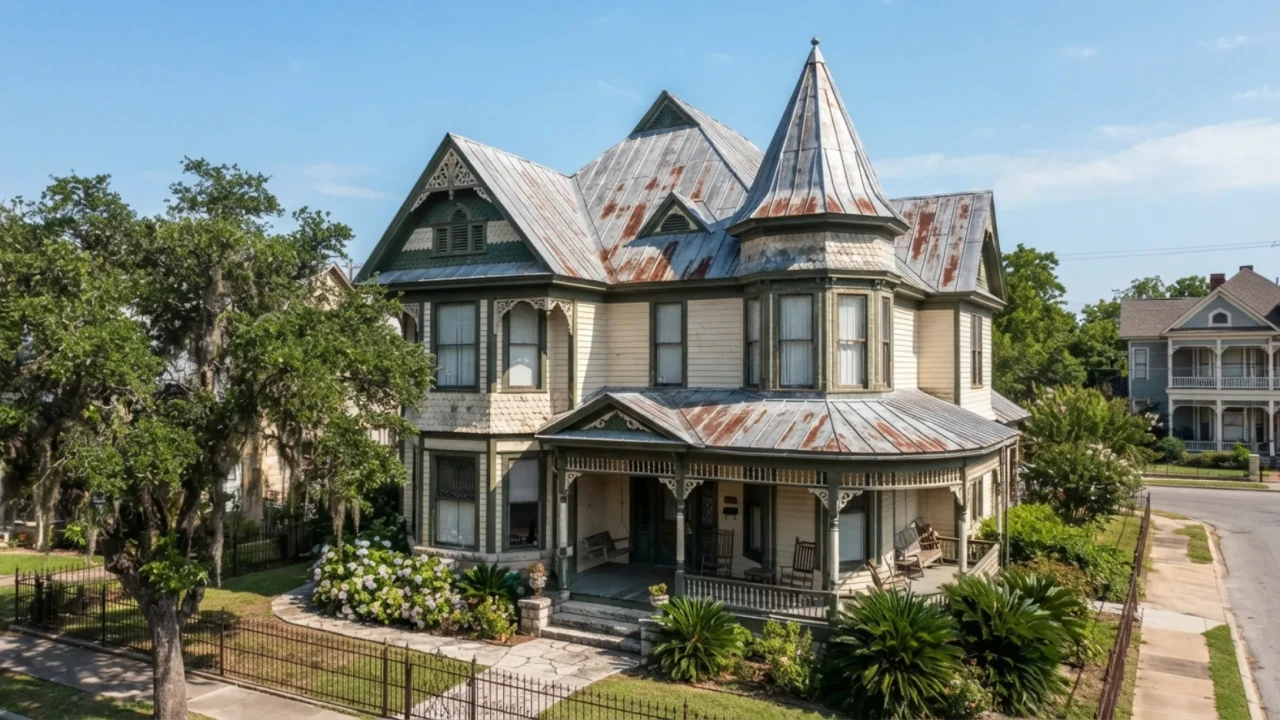
Modern "tin" roofing: What is sold today as tin roofing is almost always electrolytic tin-plated steel, sometimes referred to as ETP or tinplate. This is steel with a very thin electroplated tin coating that provides limited corrosion resistance. It is not a high-performance roofing product by modern standards and is rarely specified for residential roofing in San Antonio today.
What happened to real tin: Lead was removed from terne metal in the 1990s due to environmental regulations. Modern terne-coated steel roofing, sometimes called terne II or lead-free terne, uses a zinc-tin alloy instead and is available as a specialty product. True lead-terne roofing still exists on older buildings and requires specialized repair knowledge to maintain properly.
Bottom line for San Antonio homeowners: If someone is selling you a "tin roof" for a new installation in 2026, clarify immediately what the actual material is. The answer should be steel (specify Galvalume or galvanized), aluminum, or one of the other materials covered in this guide. A vague answer of "tin" is not an acceptable material specification.
- Have the roof inspected to confirm actual material type: terne steel, lead terne, or ETP tin plate
- Check paint condition unpainted or poorly painted terne steel rusts rapidly once the coating wears
- Restoration is an option if the underlying steel is structurally sound and not through-corroded
- If replacement is needed, upgrade to Galvalume steel or aluminum do not replace with tin plate
- Confirm the contractor has experience with historic metal roofing, not just modern panel installation
This table reflects real-world performance expectations for each material type in Bexar County's specific climate. Costs are installed averages for 2026 in the San Antonio market.
| Metal Type | Installed Cost (per sq ft) | Lifespan (San Antonio) | Rust Resistance | Hail Performance | Best For |
|---|---|---|---|---|---|
| Galvalume Steel | $3.50 to $14.00 | 40 to 60 years | Excellent (coating-dependent) | Excellent at 24-gauge | Most San Antonio homes best value |
| Aluminum | $8.00 to $15.00 | 40 to 70 years | Outstanding (no coating needed) | Good (softer than steel) | High-moisture areas, coastal exposures |
| Copper | $18.00 to $30.00+ | 80 to 100+ years | Outstanding (self-patinating) | Good (soft but thick) | Luxury residential, historic properties |
| Zinc | $14.00 to $22.00 | 60 to 100+ years | Outstanding (self-healing patina) | Good | Custom homes, long-term low maintenance |
| Tin (terne steel) | Specialty/restoration only | 50 to 100+ years (with maintenance) | Fair (requires paint maintenance) | Moderate | Historic restoration, not new construction |
The material question should be answered before the panel profile question and long before the contractor question. Getting the material right first means every subsequent decision builds on a solid foundation. Here is how we walk San Antonio homeowners through the material selection process when they call us.
First: What is your total budget for this project? Steel is the right answer for most budgets. Aluminum makes sense at a moderate premium for specific exposure situations. Copper and zinc are long-term premium investments that require a significantly higher upfront commitment. Second: How long do you plan to own the property? A 10-year horizon changes the math versus a generational ownership scenario. Third: Does your property have specific conditions that affect corrosion risk? Persistent moisture, drainage issues, or proximity to coastal salt air all push the recommendation toward aluminum or zinc over steel.
| Your Situation | Recommended Metal | Reason |
|---|---|---|
| Standard San Antonio home, standard budget | 24-gauge Galvalume steel | Best combination of strength, hail resistance, and cost for Bexar County conditions |
| Property near low-lying drainage or persistent moisture | Aluminum | Rust-proof without protective coating eliminates corrosion risk from moisture exposure |
| Coastal property with Gulf salt air exposure | Aluminum | Salt air accelerates galvanized and Galvalume steel corrosion; aluminum is the appropriate specification |
| Custom home, premium construction, long-term ownership | Zinc or copper | Lifespan, aesthetic character, and patina properties justify the premium at this level |
| Historic San Antonio property with original metal roof | Terne restoration or Galvalume replacement | Restore if the existing metal is structurally sound; replace with Galvalume if through-corrosion is present |
| HOA-governed neighborhood requiring traditional appearance | Stone-coated steel | Steel substrate with aggregate coating mimics tile, shake, or shingle appearance for HOA compliance |
| Tight budget, functional roof needed | Corrugated or R-panel Galvalume steel | Lowest-cost metal roofing option that still delivers 40+ year service life in San Antonio |
- Material type confirmed in the written quote: Galvalume steel, galvanized steel, aluminum, copper, or zinc
- ASTM designation documented: steel should reference ASTM A792 (Galvalume) or ASTM A653 (galvanized)
- Gauge or thickness specified: 24-gauge for steel; 0.040" minimum for aluminum standing seam
- Paint or coating system specified if applicable: PVDF (Kynar) preferred over polyester for San Antonio UV
- Panel profile confirmed: standing seam or exposed-fastener, with implications for maintenance schedule
- Dissimilar metal contact prevented: copper flashings not against steel or aluminum panels
- Fastener material confirmed: stainless steel fasteners for aluminum; copper or stainless for copper panels
- Thermal expansion accommodated: standing seam clip spacing appropriate for San Antonio's temperature range
- Ventilation plan included: zinc panels require underside ventilation; all metal roofs benefit from it
- Underlayment specified: self-adhering membrane preferred under metal panels in San Antonio's climate
- Manufacturer warranty confirmed: covers both substrate and paint coating separately
- Workmanship warranty documented from the installing contractor
- Maintenance requirements in writing: what the homeowner must do to keep the warranty valid
- Material documentation retained: keep the product data sheet for the specific material installed
Get a free metal roofing material consultation in San Antonio
Not sure which metal is right for your home? We will walk through your property, your budget, and your priorities and give you a clear recommendation with no sales pressure attached.