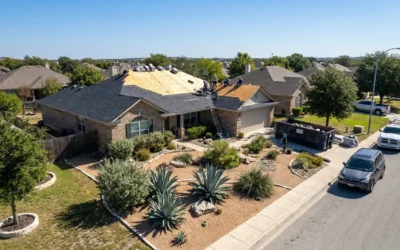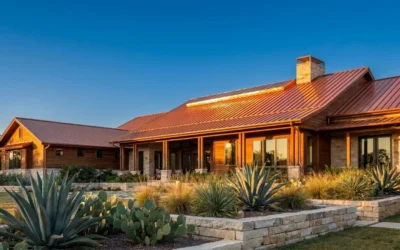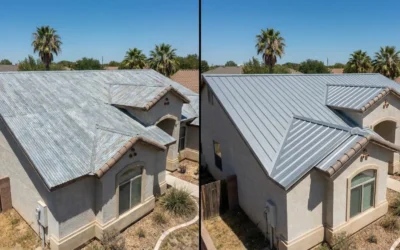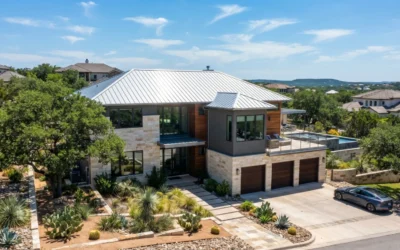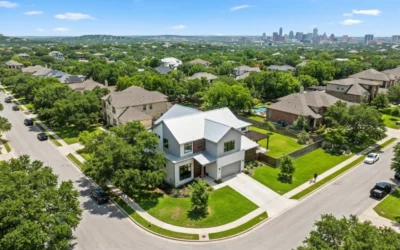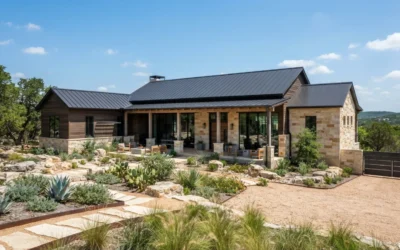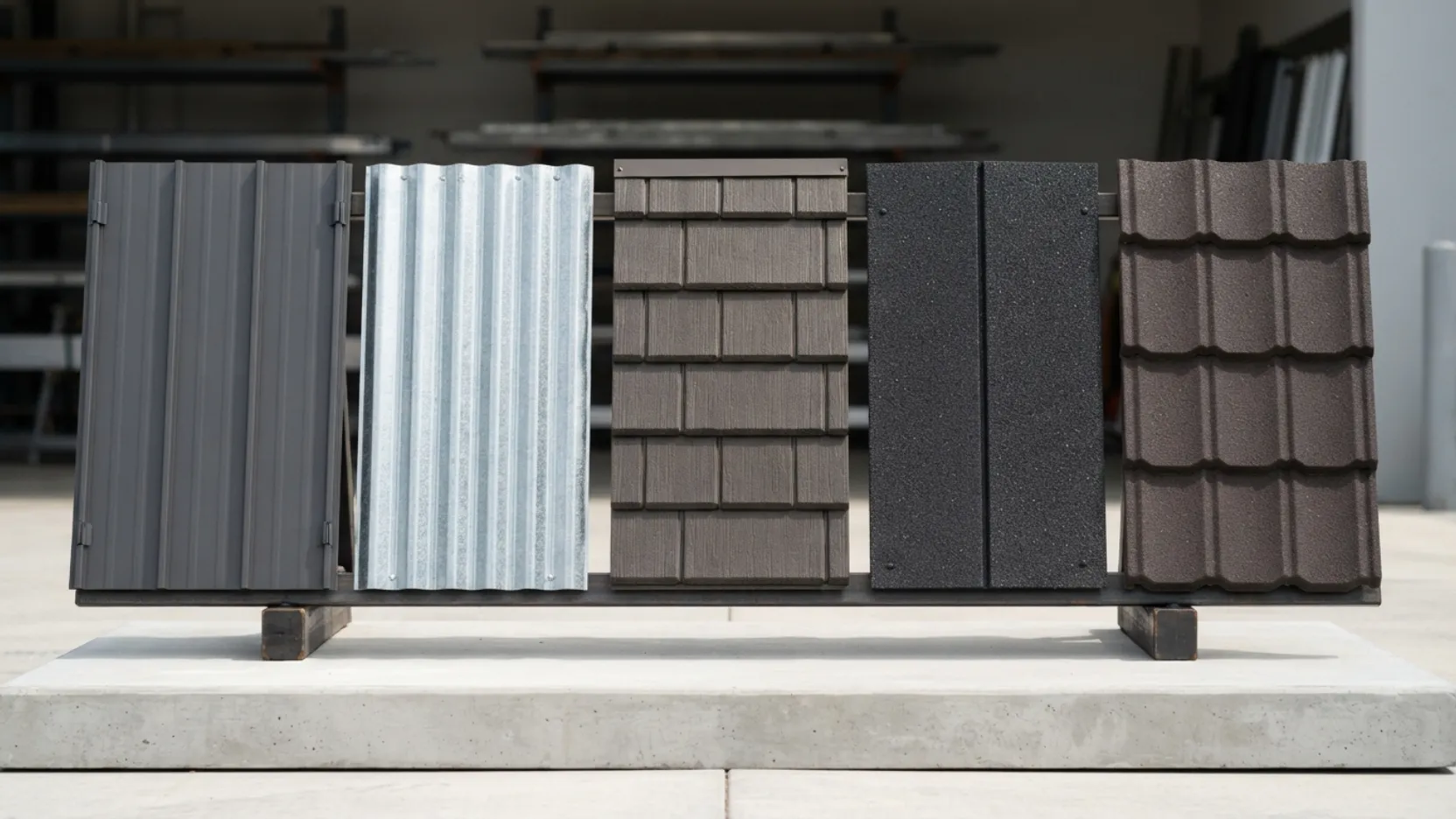
Standing seam, corrugated panels, metal shingles, stone-coated steel, and metal tiles each perform differently under Texas sun, hail, and high winds. This guide breaks down every type, what it costs in San Antonio, and which one is the right fit for your home or building.
When San Antonio homeowners start researching metal roofing, they quickly discover that "metal roof" is not a single product. It is a category that covers five fundamentally different roofing systems, each built from different materials, attached to the structure differently, and suited to different budgets, aesthetics, and performance goals. Choosing the wrong type for your home or building is a decision that costs you for the next 30 to 50 years.
The five types of metal roofing are standing seam metal panels, corrugated metal panels, metal shingles, stone-coated steel, and metal tiles. Each one has a place in the San Antonio market, and each one performs differently when Texas weather tests it. This guide covers all five in detail: what they look like, how they are installed, what they cost installed in San Antonio in 2026, and which roof types belong in which situations.
Every metal roofing system falls into one of two categories based on how it attaches to the roof deck. Hidden fastener systems, like standing seam, conceal all attachment points beneath the panels. Exposed fastener systems, like corrugated panels, drive screws directly through the face of the metal. That difference affects long-term water tightness, maintenance requirements, and total lifetime cost more than any other single factor. Knowing which category a product belongs to before you get a quote will help you ask better questions and evaluate contractor recommendations more critically.
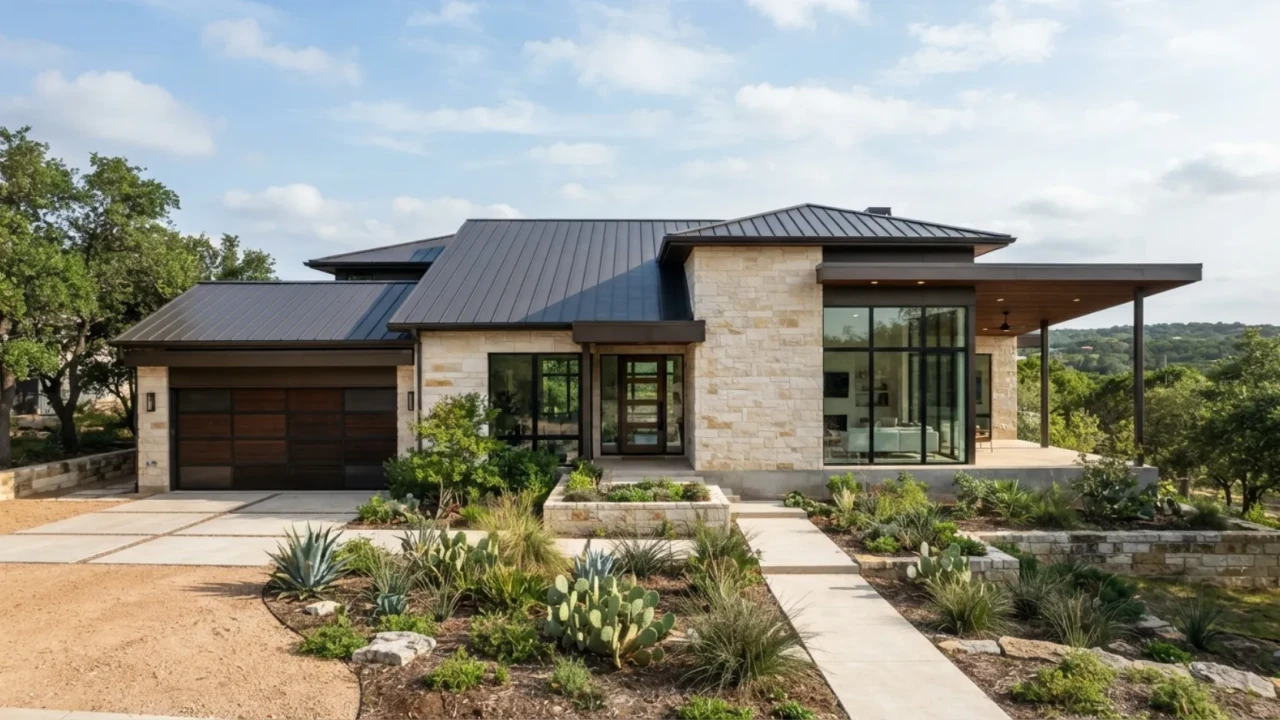
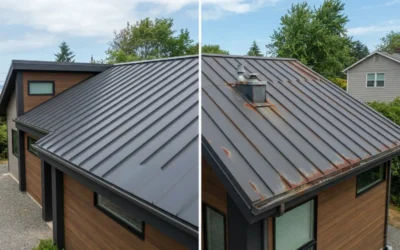
Standing seam metal roofing continuous panels run from ridge to eave with raised seams concealing all fasteners
Standing seam is the most widely recognized metal roofing profile in the residential market and the system most San Antonio homeowners picture when they think "metal roof." The defining feature is the raised vertical seam that connects adjacent panels along their long edge, either by snapping together or by mechanically crimping. All attachment clips sit below that seam, completely hidden from weather exposure. There is not a single exposed screw anywhere on a properly installed standing seam roof.
Panels run in continuous lengths from the ridge of the roof down to the eave. That continuous run matters because it eliminates horizontal seams, which are one of the primary leak points on other metal roofing systems. Water sheds straight down the panel and off the eave without encountering a lap joint or an exposed fastener in its path.
Panel width and seam height options: Standing seam panels are typically 12 to 18 inches wide with seam heights ranging from 1 inch to 2 inches or more. Taller seams handle higher wind loads and allow more thermal movement without stress. For San Antonio conditions, a 1.5-inch or 2-inch seam height is the standard recommendation on steep-slope applications.
Float clips for thermal movement: One of the engineering advantages of standing seam is that the attachment clips allow the panel to expand and contract laterally as temperatures swing. San Antonio roofs see surface temperatures that can exceed 160 degrees Fahrenheit in summer and drop to near freezing in winter. A panel that cannot move freely under those swings will buckle or oil-can over time. Float clips solve this.
- You want the longest possible lifespan with the lowest long-term maintenance requirement
- Your home is in a high-wind zone or you experienced roof damage in a previous San Antonio storm
- You plan to own the home for 20 or more years and want to recoup the premium through lower maintenance costs
- You want a clean, modern aesthetic with a wide range of finish color options
- Your roof has low-slope sections where most other metal profiles cannot be safely used
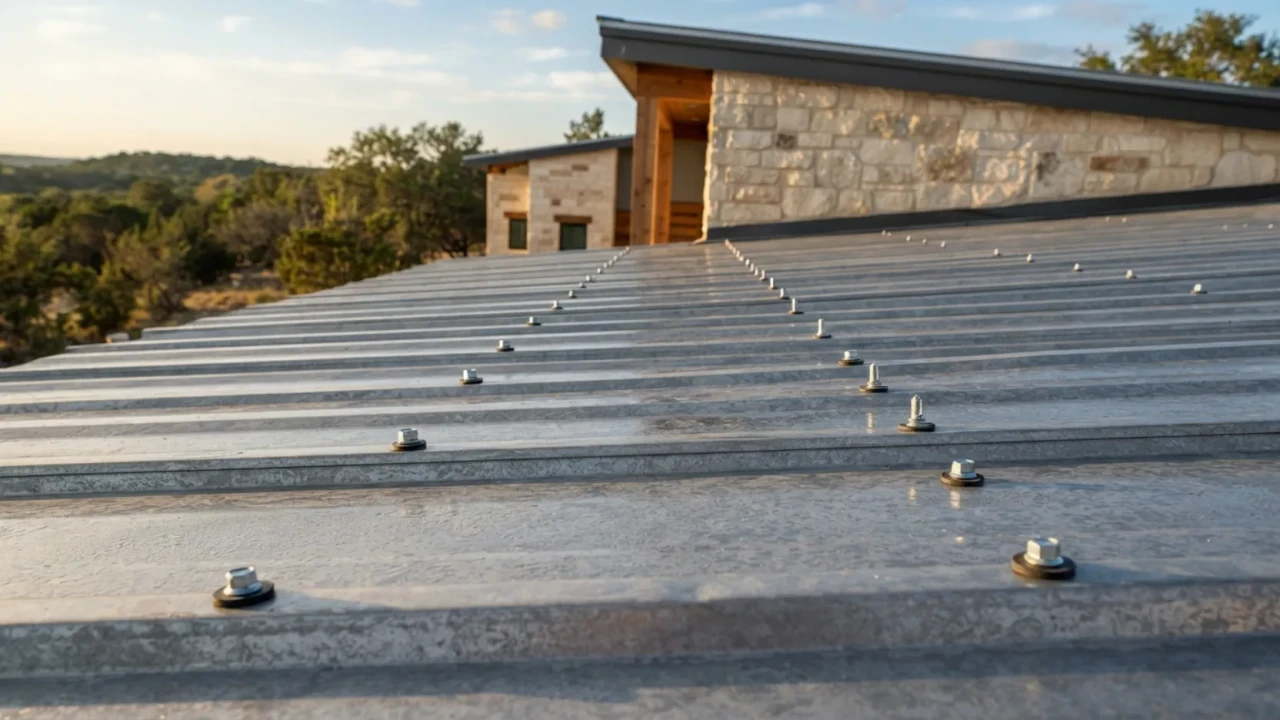
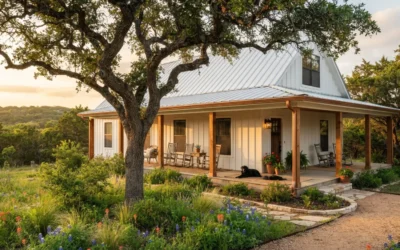
Corrugated metal panels with exposed fasteners the most economical metal roofing option and a common sight across rural and residential Texas
Corrugated metal panels are the original metal roofing product in the American market and the most widely recognized profile in rural Texas. The alternating ridges and valleys of the corrugated pattern add structural rigidity to thin-gauge panels, allowing them to span between purlins without a full decking substrate. Most corrugated panels used in residential applications today are installed over solid decking rather than purlins, but the profile remains the same.
The critical distinction between corrugated panels and standing seam is the fastener system. Corrugated panels are installed with screws driven directly through the face of the metal panel and into the deck or purlin below. Each screw penetrates the weatherproofing surface, and each penetration is sealed by a rubber EPDM washer under the screw head. That washer is the weak point. Heat, UV exposure, and the thermal cycling that San Antonio roofs experience year-round cause those washers to compress, harden, and eventually crack. When the washer fails, the fastener hole becomes a leak point.
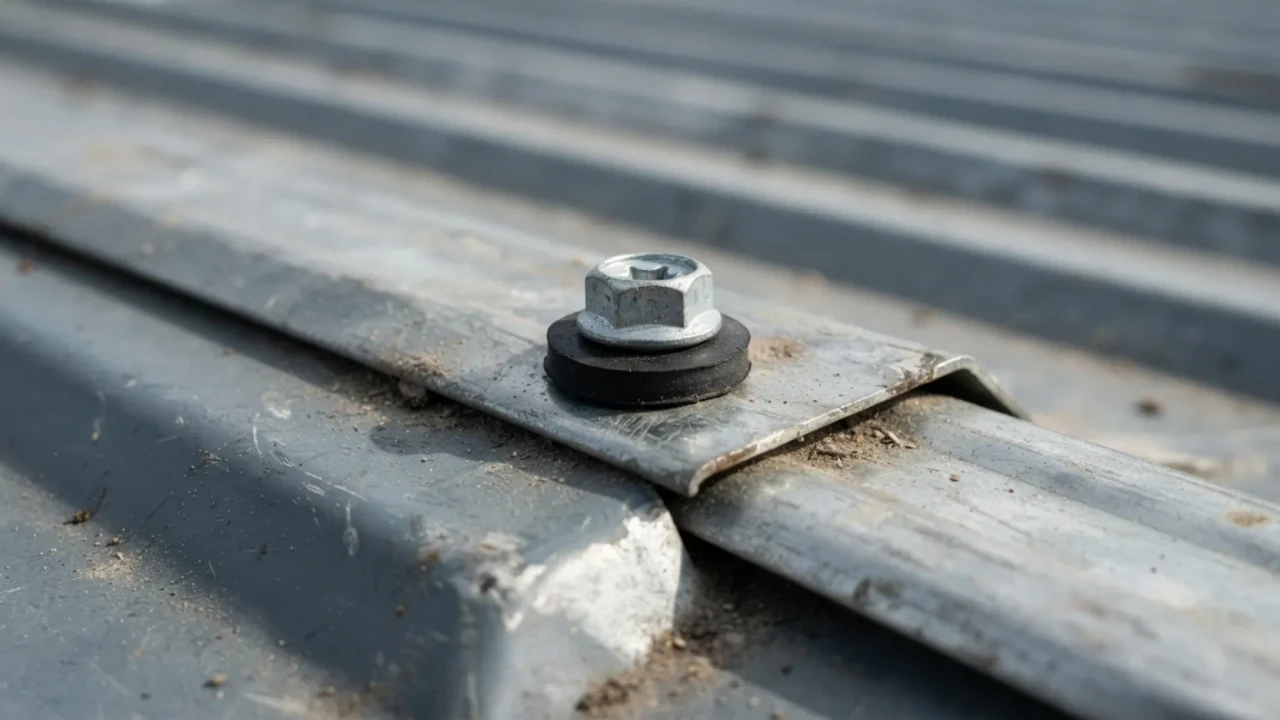
Panel profiles in the corrugated category: What the roofing industry calls "corrugated" panels actually includes several profiles. Classic corrugated panels have a wave shape. R-panel and PBR-panel have flat faces with raised ribs at set intervals. 5-V crimp panels have an angular rib profile common in Florida and Gulf Coast applications. All of these are exposed-fastener systems and share the same long-term maintenance considerations.
If you choose a corrugated or screw-down panel system in San Antonio, plan for a fastener inspection every five to seven years. A professional inspection catches backing-out screws and failed EPDM washers before they become active leaks. A full fastener replacement pass on a deteriorated screw-down roof typically costs $600 to $1,800 depending on roof size, which is far less than the interior water damage a missed fastener failure can cause. This maintenance cycle is not a defect of the product; it is a known characteristic that every honest contractor should disclose before installation.
- Budget is the primary constraint and you understand the long-term maintenance requirements
- The structure is a barn, agricultural building, workshop, or secondary outbuilding
- You plan to sell the home within 10 years and want the cost savings now
- The roof is a simple geometry with one or two slopes and minimal penetrations
- You are replacing an existing corrugated system and matching the existing profile
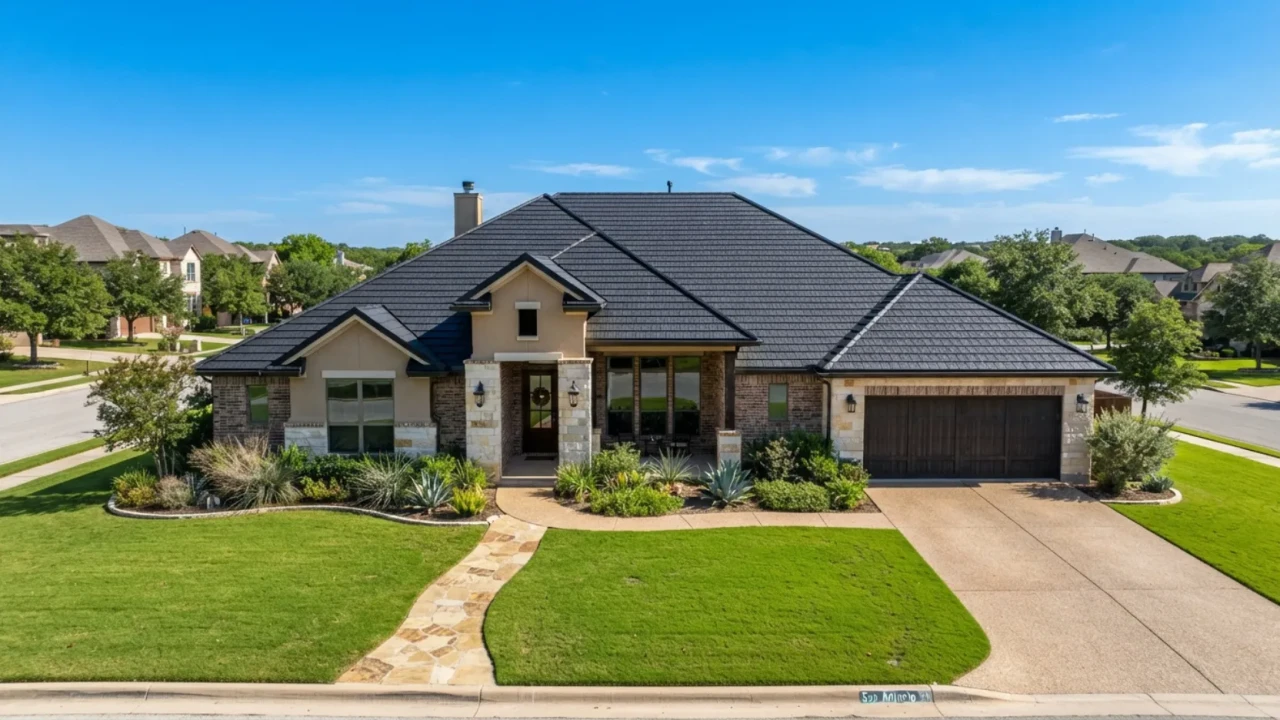
Metal shingles replicate the look of traditional asphalt shingles while delivering the durability and wind resistance of a metal system
Metal shingles occupy a unique position in the metal roofing category because they are designed first and foremost to look like a conventional roof. They are stamped or formed from steel or aluminum into individual panels that interlock across the roof surface, replicating the appearance of asphalt shingles, slate, or cedar shake at a distance. For San Antonio homeowners who want the performance benefits of metal but live in a neighborhood where a standing seam roof would look out of place, metal shingles are often the practical answer.
The interlocking design of metal shingles creates a layered, overlapping profile similar to asphalt shingles, which means water management relies on that overlap rather than a sealed seam. That distinction matters in high-wind events. A standing seam panel is held by a concealed clip that allows wind to press on a continuous surface. A metal shingle system depends on the interlock between individual panels, and if wind-driven rain achieves enough velocity and angle, it can find its way behind the overlap. For San Antonio wind conditions, metal shingles should be installed with a sealed underlayment and with the manufacturer-specified fastening pattern, not shortcuts.
Finish options: Metal shingles are available in a wide range of factory-applied finishes including textured granular coatings that closely mimic the appearance of asphalt, smooth painted finishes, and embossed slate or wood shake textures. The granular-coated options are particularly popular in San Antonio because they satisfy HOA aesthetic requirements that prohibit commercial-looking metal profiles.
Gauge and weight: Most residential metal shingles are formed from 26-gauge or 29-gauge steel. Lighter gauge panels cost less but dent more easily under hail impact. For San Antonio's active hail season, specifying 26-gauge or heavier is a meaningful choice.
- Your neighborhood has an HOA that restricts non-traditional roof profiles
- You want metal performance but the home's architectural style calls for a dimensional shingle look
- You are replacing an asphalt shingle roof and want to stay within a familiar aesthetic
- Budget falls between the cost of corrugated panels and standing seam
- You specify 26-gauge or heavier to reduce hail dent visibility in the San Antonio hail corridor
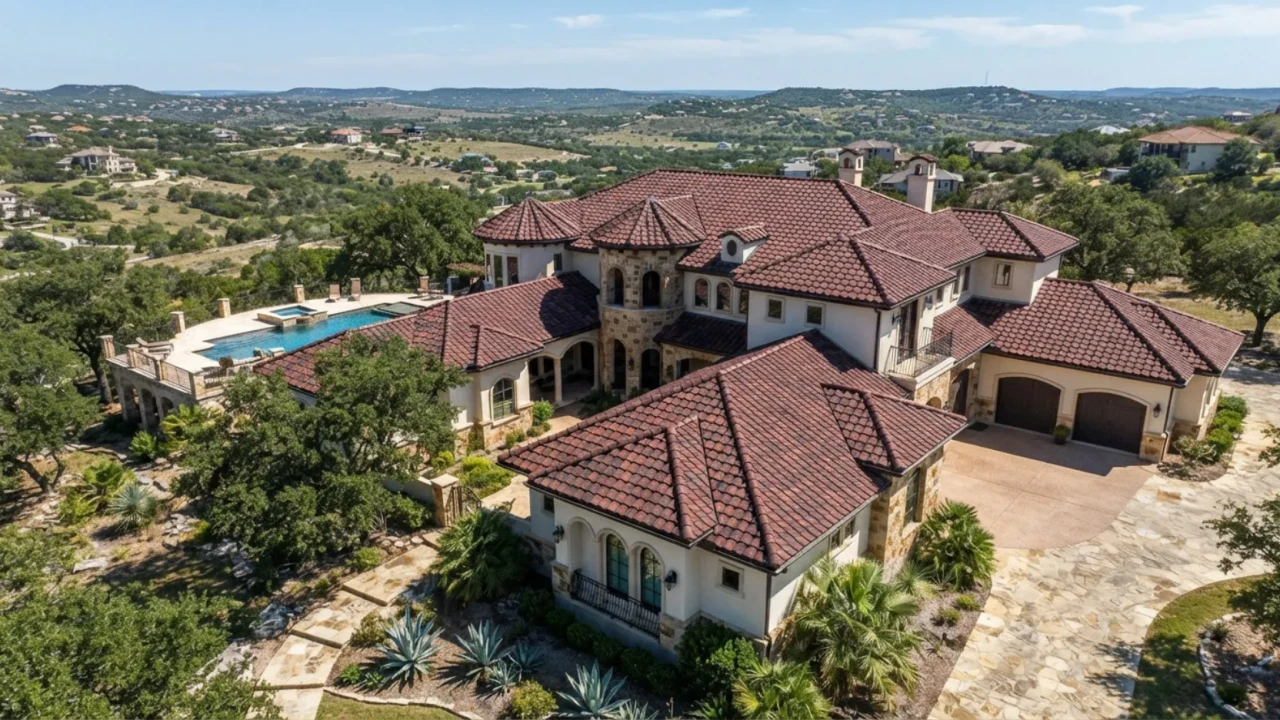
Stone-coated steel panels deliver a tile or shake aesthetic with a steel core rated for Class 4 impact resistance and high wind performance
Stone-coated steel is a category of metal roofing where a steel panel (typically 26-gauge Galvalume) is coated with an acrylic adhesive and then embedded with crushed stone granules on the exposed surface. The resulting product looks and feels more like a traditional roof tile or shake than any other metal roofing type. It has a natural texture, absorbs sound better than bare metal panels, and carries one of the highest wind resistance ratings available in the residential roofing market.
The most prominent brand in this category is DECRA, which has been producing stone-coated steel products since 1957. Other manufacturers include Inspire Roofing Products, Gerard, and MetalWorks. Products are available in tile, shake, shingle, and barrel tile profiles, making stone-coated steel one of the most versatile metal roofing options in terms of appearance.
Wind resistance: Stone-coated steel systems are tested and rated for some of the highest wind speeds in the residential roofing market. Many products carry FM 4474 approval and UL 2218 Class 4 impact resistance ratings. In San Antonio, where wind events from Gulf moisture can push gusts above 80 mph, the wind performance of stone-coated steel is a genuine selling point.
Acoustic performance: One of the common objections to metal roofing in general is noise during rain events. Stone-coated steel addresses this better than bare metal panels because the granule surface and the interlocking panel design with a proper underlayment system significantly reduce the drum effect that thin corrugated panels produce.
The UL 2218 Class 4 impact rating on most stone-coated steel products qualifies for a homeowners insurance discount in Texas. Check with your insurance carrier before you install. In many cases, the annual insurance savings offset a meaningful portion of the premium between stone-coated steel and a standard asphalt shingle replacement over a five to ten year period. Ask your San Antonio contractor to provide documentation of the Class 4 rating for your insurance filing.
- You want the appearance of clay tile or wood shake without the weight of real tile or the maintenance of real shake
- Your roof structure cannot support the weight of clay or concrete tile (clay tile runs 600 to 1,000 pounds per roofing square)
- You want the highest available impact resistance to address San Antonio hail risk
- Noise from rain on a bare metal roof is a concern and the property has living space directly below the roof deck
- You qualify for an insurance discount on Class 4 rated materials and want to offset some of the premium cost
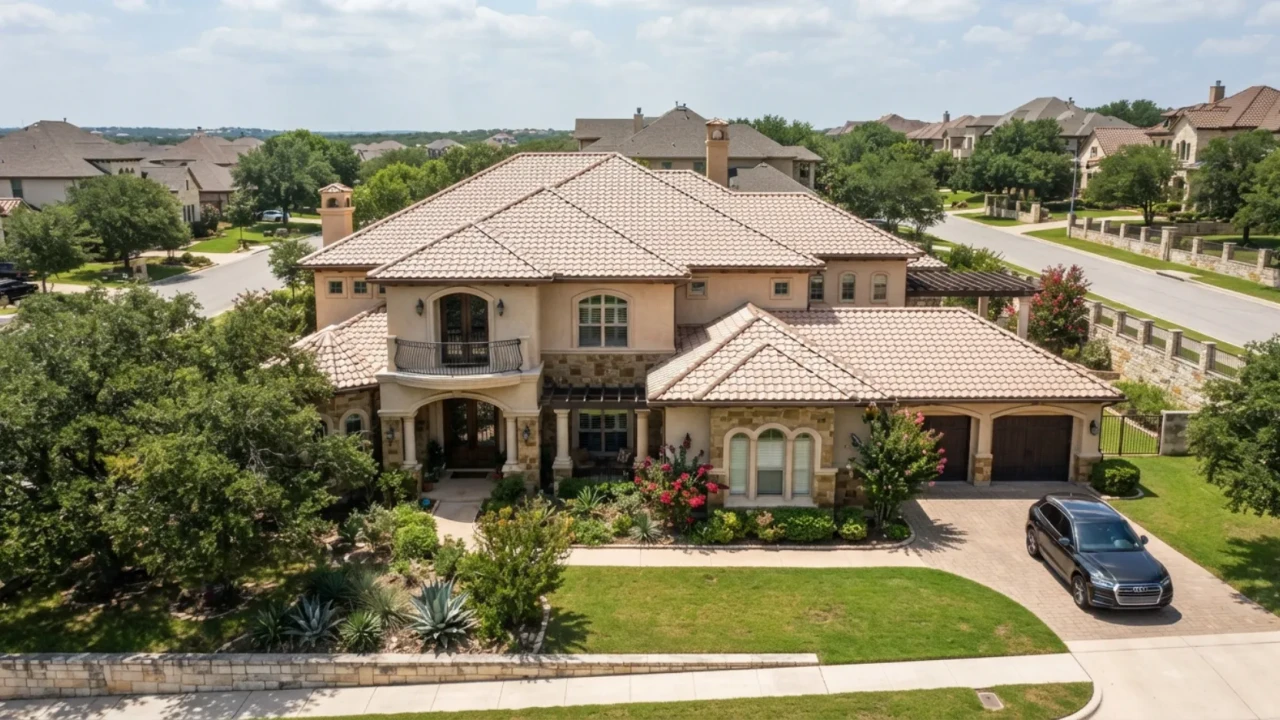
Metal tiles replicate the barrel tile and Spanish tile profiles common in San Antonio architecture without the structural load of real clay or concrete
Metal tiles are one of the fastest-growing segments of the metal roofing market in Texas, and it is not hard to understand why when you look at San Antonio's residential architecture. A significant share of homes in the San Antonio market were built with a Spanish Colonial, Mediterranean, or Mission aesthetic that traditionally pairs with clay or concrete tile roofing. Real clay tile is beautiful, durable, and extremely heavy. A clay tile roof adds 600 to 1,000 pounds per roofing square to the structure. Older homes and those with lighter framing simply cannot support that load without structural reinforcement.
Metal tiles solve this problem. They are stamped from steel or aluminum into profiles that accurately replicate the cross-section of barrel tile, Spanish S-tile, or flat tile, and they weigh a fraction of the real thing. A typical metal tile system weighs 50 to 150 pounds per roofing square compared to 600 to 1,000 pounds for clay or concrete. They can be installed on existing roof structures that would otherwise require expensive framing upgrades to support the weight of real tile.
How metal tiles differ from stone-coated steel: The distinction between metal tiles and stone-coated steel is a source of confusion in the market. Stone-coated steel uses a granular coating to create a textured surface. Metal tiles are formed metal panels shaped to replicate tile profiles without a granular surface coating. Both categories can produce tile-appearance products, but they do so through different manufacturing processes and have different surface textures and acoustic properties.
Profiles available in San Antonio: The most requested metal tile profiles in the San Antonio market are Spanish barrel tile (also called mission tile), flat interlocking tile, and Tuscany or Mediterranean flat-rib profiles. Most leading manufacturers offer these profiles in standard painted finishes as well as textured coatings.
- Your home has a Spanish, Mediterranean, or Mission architectural style that calls for a tile profile
- You are replacing an existing clay or concrete tile roof and want to avoid structural upgrade costs
- Your HOA requires a tile-profile appearance and does not specifically require real clay or concrete
- Budget does not support the full cost of real clay tile installation including structural upgrades
- You want a 40-plus year metal roof lifespan without the fragility of real clay tile, which can crack under foot traffic during installation and maintenance
Use this table to compare the five types across the factors that matter most for a San Antonio installation: cost, lifespan, fastener system, wind performance, and best-use scenario. All installed cost ranges reflect San Antonio market conditions in 2026.
| Type | Installed cost (per sqft) | Fastener system | Lifespan | Wind resistance | Best use in San Antonio |
|---|---|---|---|---|---|
| Standing seam | $9 to $20+ | Hidden no exposed screws | 40 to 70 years | Up to 160 mph | Residential and commercial, any home style, low-slope sections |
| Corrugated panels | $4 to $10 | Exposed screw-down | 25 to 40 years | 90 to 120 mph typical | Agricultural, budget residential, outbuildings, secondary structures |
| Metal shingles | $7 to $15 | Hidden nailing flange | 30 to 50 years | 120 to 140 mph | HOA communities, traditional neighborhoods, shingle-appearance preference |
| Stone-coated steel | $10 to $20+ | Concealed by overlap | 40 to 70 years | 120 to 160 mph (FM 4474) | Tile or shake look, high-wind zones, insurance discount applications, noise-sensitive homes |
| Metal tiles | $9 to $18+ | Hidden or concealed | 40 to 60 years | 120 to 150 mph | Spanish, Mediterranean, Mission-style homes; clay tile replacement without structural upgrades |
The right metal roofing type for your home depends partly on the aesthetics of your neighborhood. The five product types look very different from each other, and from the ground, the distinction matters. Here is what you are likely to see on San Antonio rooftops for each category.
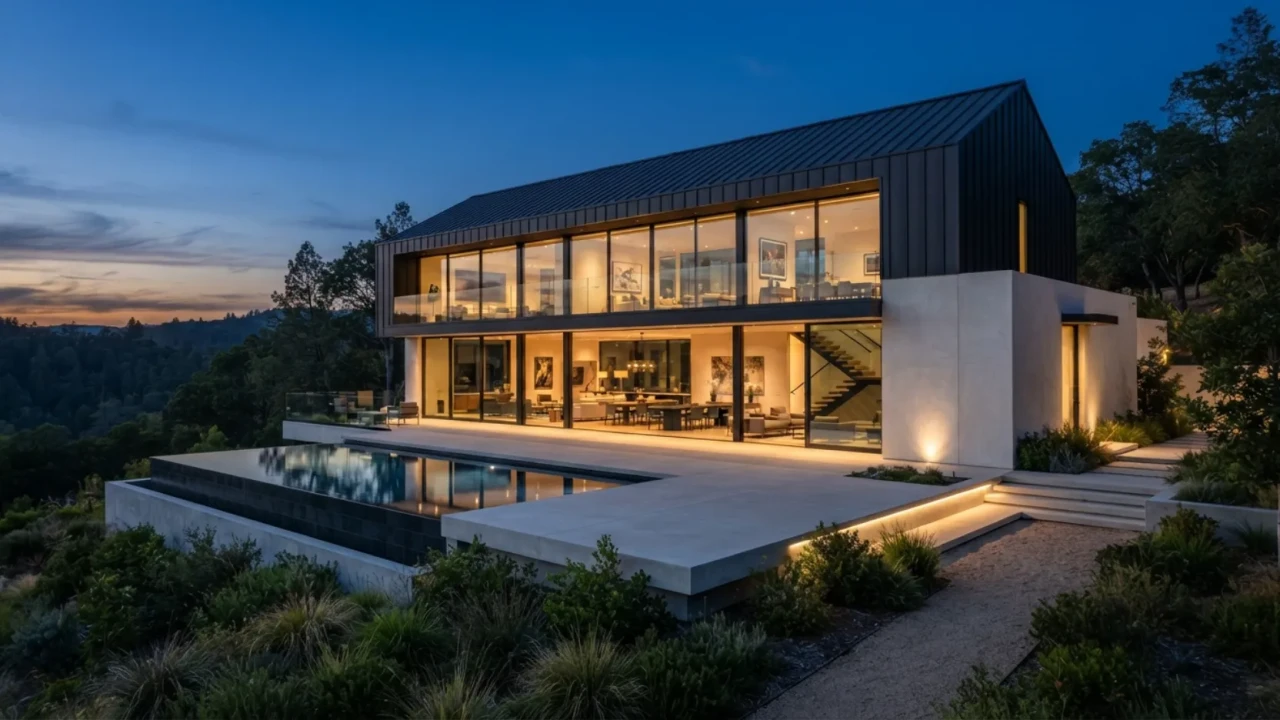
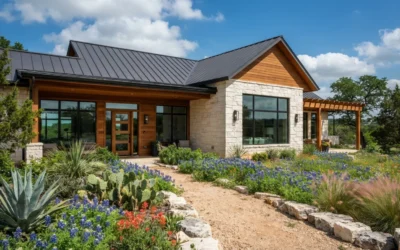
Left: standing seam on a modern home. Right: stone-coated steel tile profile on a Mediterranean-style residence.
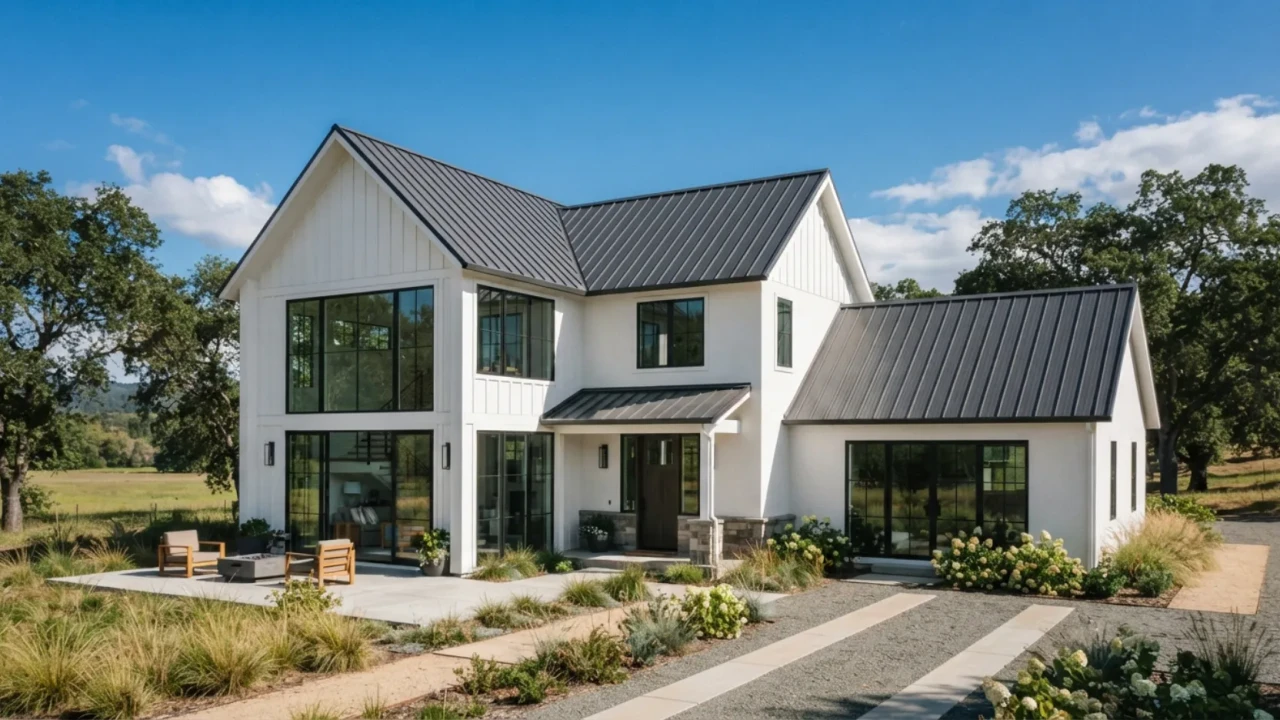
Corrugated R-panel on a residential structure the most economical entry point into metal roofing.
- If installed cost is the primary driver and the building is agricultural or a secondary structure, start your research with corrugated panels
- If budget is moderate and you want the longest reasonable service life, standing seam or stone-coated steel are the most cost-effective over 30-plus years even at a higher upfront price
- If you plan to sell within 10 years, metal shingles at the mid-price tier offer a strong return on investment and excellent curb appeal
- Modern, contemporary, or farmhouse aesthetic: standing seam is the natural fit and is increasingly the HOA-approved option in newer San Antonio developments
- Traditional neighborhood with architectural shingle roofs: metal shingles with a dimensional texture match the surrounding aesthetic
- Spanish, Mediterranean, or Mission style: metal tiles or stone-coated steel in a barrel tile or S-tile profile
- Replacing an existing clay or concrete tile roof: metal tiles allow the replacement without structural upgrade costs in most cases
- Maximum wind resistance with zero exposed fasteners: standing seam is the only choice that achieves both
- Class 4 impact resistance for insurance discount qualification: stone-coated steel carries the rating most commonly accepted by Texas carriers
- Noise reduction on a home where bedrooms sit directly below the roof deck: stone-coated steel and metal tiles reduce rain noise significantly compared to bare corrugated panels
- Lowest maintenance requirement over the life of the roof: standing seam, because there are no fasteners to maintain
Not sure which metal roofing type is right for your home?
Tell us about your home, your budget, and what you are trying to solve. We will walk you through the options that make sense for your specific roof, neighborhood, and goals no sales pressure, just honest advice from a crew that has installed all five types in San Antonio.